



Taiwan health minister addresses ER congestion crisis
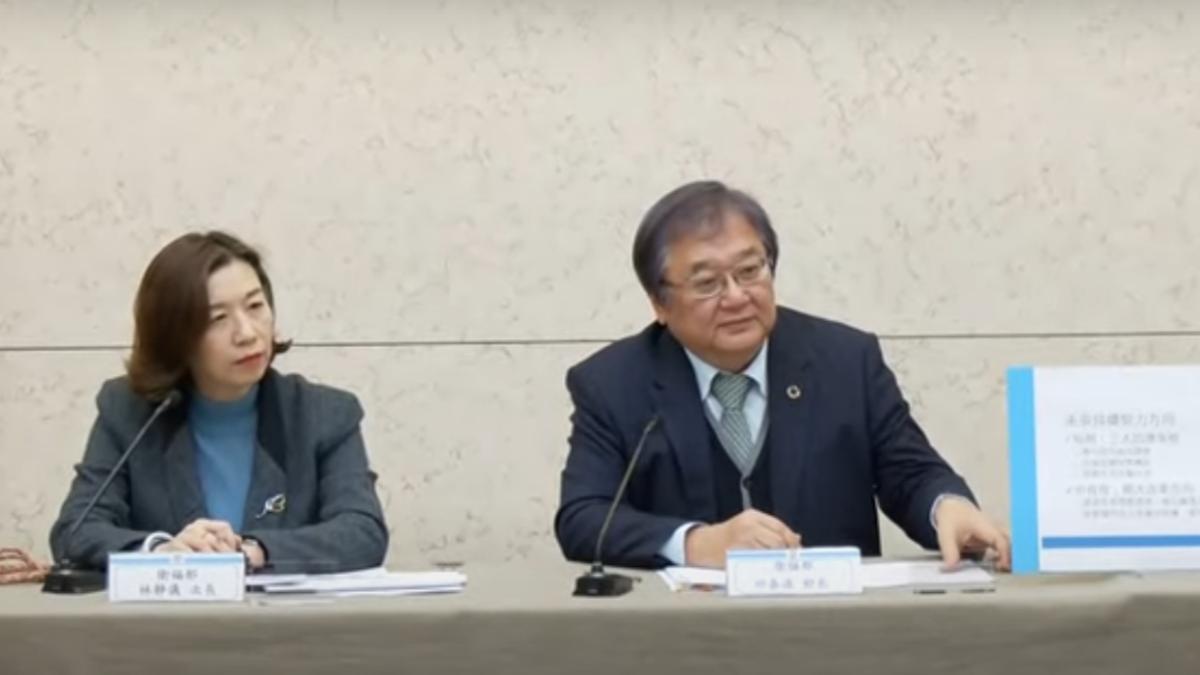
TAIPEI (TVBS News) — Minister of Health and Welfare Chiu Taiyuan (邱泰源) addressed the alarming congestion in emergency rooms on Monday (Feb. 24), attributing it to a combination of a prolonged nine-day Lunar New Year holiday, a surge in flu-like illnesses, and a cold snap. Currently, emergency departments are handling approximately 25,000 patients daily, surpassing last year's figure of 18,000.
The Ministry of Health and Welfare (MOHW, 衛福部) held a press conference in the afternoon to discuss the unprecedented severity of the situation, as highlighted by the Taiwan Society of Emergency Medicine. Chiu announced that the Executive Yuan (行政院) has authorized the purchase of 100,000 flu vaccine doses to curb the rise in infectious diseases. He urged the public to adhere to the tiered medical system and seek treatment for minor ailments at local clinics.
Deputy Minister Lin Ching-yi (林靜儀) noted that congestion primarily affects medical centers, with regional hospitals occasionally experiencing issues, while local hospitals remain unaffected. The median number of patients waiting for beds in medical centers ranges from 55 to 65, with some facilities exceeding 100.
Liu Yueh-ping (劉越萍), director-general of the Department of Medical Affairs, outlined three short-term strategies to enhance response: improving bed allocation in medical centers, bolstering regional hospital coordination, and strengthening public awareness of the tiered medical system.
From March 1, the ministry will implement a three-shift nurse-to-patient ratio system, rewarding hospitals that increase nursing staff per Executive Yuan's 12 strategic plans. Medical centers and regional hospitals have struggled to meet standards, primarily due to night shift requirements.