



Study finds high CO2 in kindergartens raises virus risk
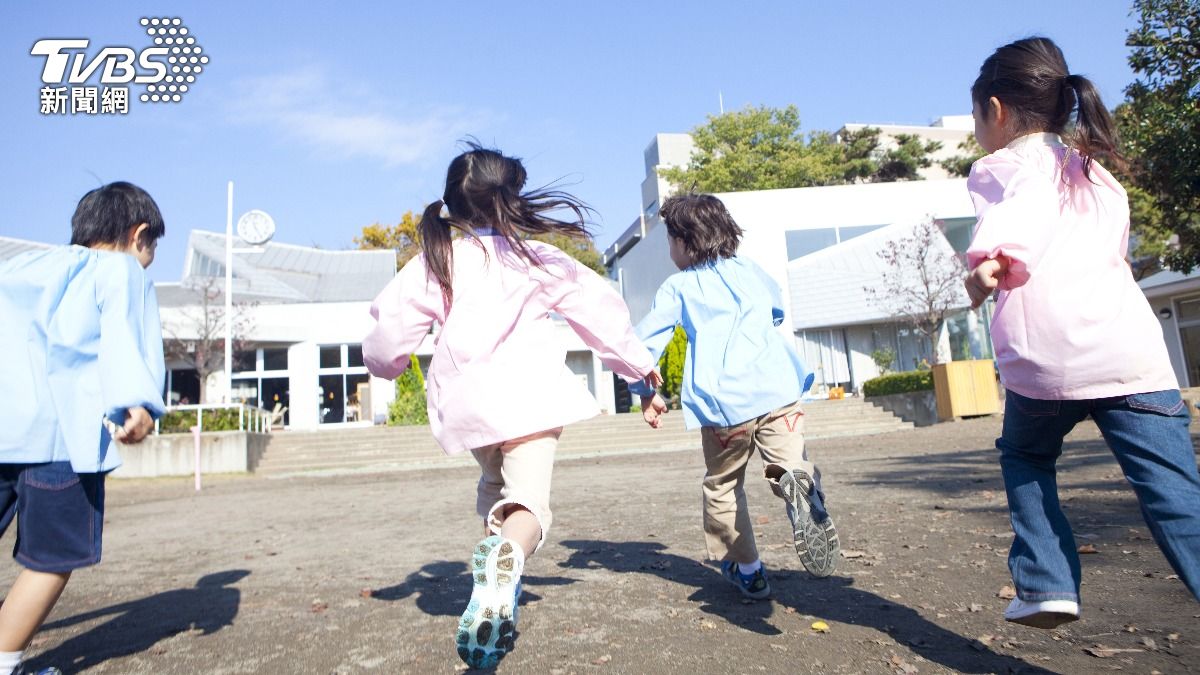
TAIPEI (TVBS News) — A concerning pattern of deteriorating air quality in kindergarten classrooms that substantially increases viral transmission risks among young children has been documented by researchers from the College of Public Health at National Taiwan University (台大公共衛生學院). The study, released Thursday (March 27), reveals that carbon dioxide levels in these educational spaces progressively accumulate throughout the school week, culminating in afternoon peaks that create ideal conditions for respiratory viruses to spread. Under these compromised ventilation conditions, a single infected child could potentially transmit viruses to three classmates during regular classroom activities.
During a four-month investigation spanning August to November 2021, the scientific team conducted comprehensive air quality monitoring at a Taipei kindergarten, employing carbon dioxide concentration as their primary ventilation quality indicator. Their measurements revealed a troubling pattern of accumulation, with average CO2 levels surpassing 850 parts per million by Friday afternoons. When researchers applied these findings to the established Wells–Riley epidemiological model, they calculated a reproduction number (R0) ranging between 3.01 and 3.12, indicating that each infected person could spread respiratory viruses to approximately three others under these conditions.
Associate Professor Chen Chia-kun (陳佳堃) from the Institute of Environmental and Occupational Health Sciences (大環境職業健康科學研究所) emphasized that the findings are particularly alarming given the vulnerability of the population studied. He explained that young children, along with elderly individuals, represent demographic groups with heightened susceptibility to influenza and other respiratory infections. The typical kindergarten environment, characterized by extended periods of close proximity among children in enclosed spaces, creates ideal conditions for accelerated viral transmission among this already vulnerable population.
The groundbreaking research, which appeared in the prestigious international journal "Indoor Air" in November 2024, underscores the critical importance of regular air quality monitoring in educational settings as a public health measure. Professor Chen observed that carbon dioxide concentrations showed significant reduction only during prolonged breaks from classroom activities. "Implementing a three-day weekend might help, like taking a break on the third day to prevent risk accumulation," he suggested as one potential intervention strategy. The research team has issued an urgent call for educational institutions and policymakers to prioritize effective ventilation systems in enclosed learning environments, particularly in densely populated settings like kindergartens where children spend substantial portions of their day.