



Taiwan economist warns of nuclear-level shock from tariffs
TAIPEI (TVBS News) — Global markets face potentially catastrophic consequences if recently imposed tariffs remain in place for an extended period, according to a leading Taiwanese financial expert. Cathay United Bank (國泰世華銀行) chief economist Lin Chi-chao (林啟超) delivered a stark assessment on Monday (April 7), characterizing the controversial trade measures as a "nuclear-level shock education" for international markets. Lin warned that prolonged implementation of these tariffs significantly increases the likelihood of a severe global economic contraction. During his media briefing, the economist emphasized that unresolved questions surrounding the practical implementation of these tariffs — including which entities ultimately absorb the additional costs and how supply chains might be reconfigured — would continue to drive market volatility. Despite this pessimistic outlook, Lin suggested that even minor diplomatic breakthroughs in tariff negotiations could trigger rapid positive corrections in financial markets.
The widening diplomatic rift between the administration of U.S. President Donald Trump and international governments regarding appropriate tariff levels has created a climate of heightened anxiety throughout global financial markets, according to Lin. He stressed that establishing some form of multilateral agreement to modify these tax rates has become increasingly urgent as uncertainty continues to spread through economic systems worldwide. The economist outlined a potentially troubling cascade of economic consequences, where tariff-driven market instability leads to inflationary pressures and eroded corporate profitability, ultimately forcing companies to implement workforce reductions. Lin suggested that this sequence of domestic economic pain within the United States might eventually compel American policymakers to reconsider their aggressive trade stance. He identified the U.S. Federal Reserve's monetary policy decisions—particularly the potential implementation of more substantial interest rate reductions—as a critical factor that could help stabilize increasingly volatile markets.
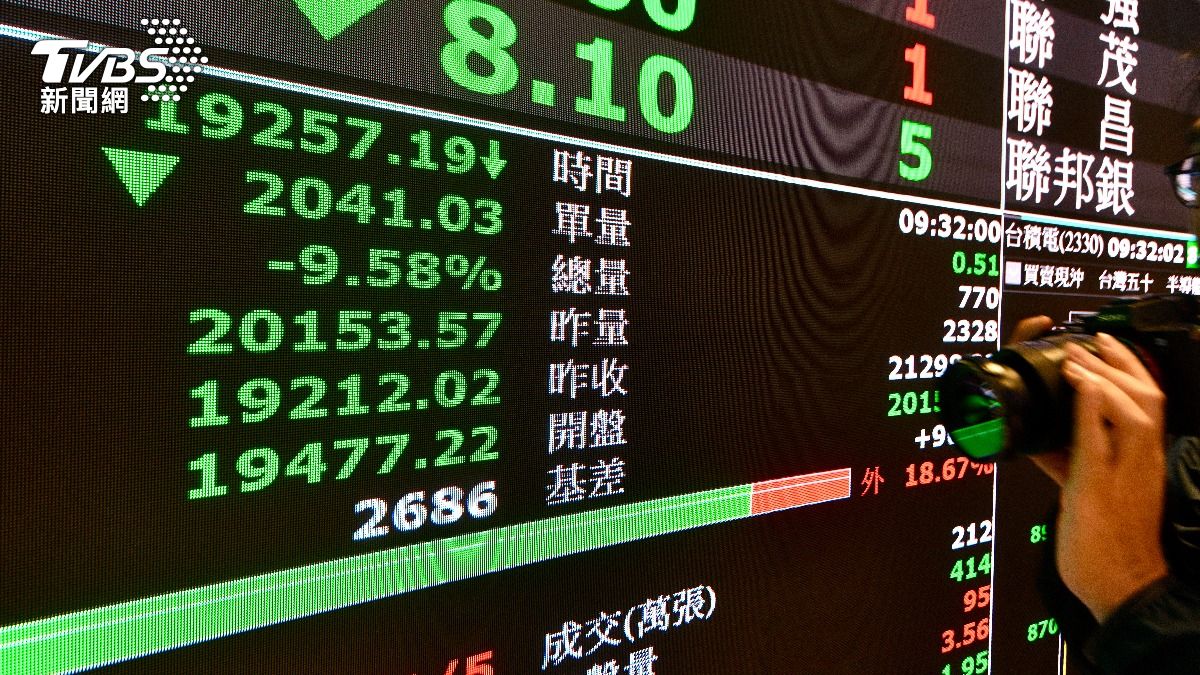
The immediate impact of this trade policy uncertainty was dramatically illustrated on Taiwan's primary financial market, where the Taiwan Stock Exchange experienced a precipitous decline of 2,065 points on Monday, eventually settling at a closing value of 19,232. This substantial market correction occurred against a backdrop of continuing international ambiguity regarding the trajectory of tariff negotiations. Trading patterns revealed significant divergence among different investor categories, with foreign investors acquiring a net position of NT$16.821 billion (around US$506.7 million), while domestic investment trusts and proprietary trading desks moved in the opposite direction, divesting NT$236 million (around US$7.1 million) and NT$904 million (around US$27.2 million), respectively.