



Taiwan real estate faces turbulence amid tariff war
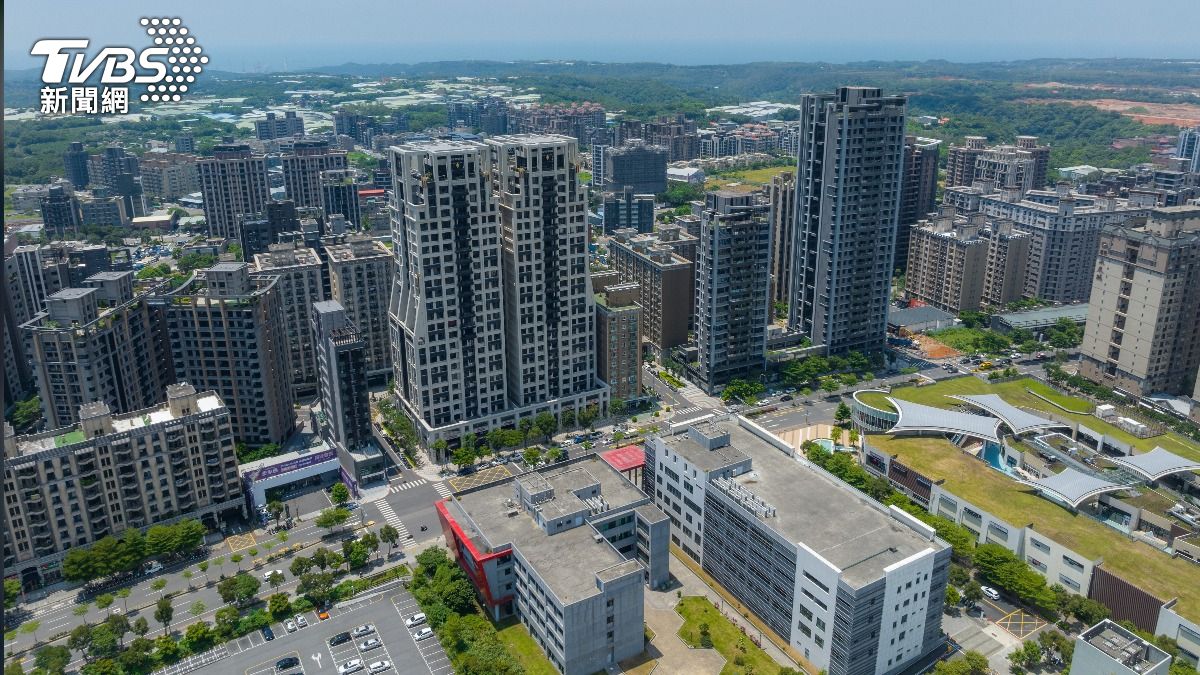
TAIPEI (TVBS News) — Taiwan's real estate market has entered a period of significant turbulence this April as dual economic pressures from the ongoing international tariff war and Monday's domestic stock market crash generate widespread uncertainty among investors and homebuyers alike. The sobering assessment came from Chen Hsi-tsung (陳錫琮), chairman of H&B Business Group (住商機構), one of the island's largest real estate agencies, during a market outlook briefing on Tuesday (April 8). Chen painted a cautious picture of the property sector's immediate future, noting that these macroeconomic factors have substantially clouded the market's short-term prospects and signaling that industry participants should prepare for a particularly challenging second quarter.
The veteran real estate executive observed that Taiwan's property market had shown promising signs of recovery during the first quarter of 2025, only to have this positive momentum severely disrupted by the escalating U.S. tariff conflict and the subsequent dramatic downturn in Taiwan's stock markets. Despite current instabilities, Chen expressed cautious optimism that market conditions might begin normalizing by May as initial shock factors subside. He emphasized a key structural difference between real estate and securities markets, noting that property's inherently slower liquidity serves as a buffer against panic selling that often characterizes stock market crashes, though he warned that persistently high interest rates would inevitably increase financial pressure on mortgage holders across the island.
The real estate leader also drew attention to how inflation expectations continue to influence Taiwan's property market dynamics, drawing parallels to asset stockpiling behaviors observed in the United States during similar economic conditions. Chen expressed hope that successful resolution of ongoing tariff negotiations between Taipei and Washington might help dissipate the cloud of uncertainty currently hanging over the market. Looking at regulatory prospects, he offered a measured prediction regarding Taiwan's central bank policy direction, suggesting that while monetary authorities are unlikely to relax existing housing market restrictions in the near term, they would probably refrain from implementing additional constraints given the current economic headwinds.
Despite the challenging market conditions, H&B Business Group — which currently operates an extensive network of 820 retail locations throughout Taiwan — has managed to achieve a remarkable 10% expansion in its store footprint, even as the Central Bank (中央銀行) implemented tighter credit control measures last September. During the Tuesday briefing, the company unveiled a series of strategic technology partnerships with four firms: QuanWuJi (全屋記), HouseFlow (住通科技), SaveCom International (宏遠電訊), and Leju (樂居), to collectively develop what the company is calling an "AI Transaction Ecosystem" (AI成交生態圈). This ambitious digital initiative aims to substantially broaden the company's property inventory and customer acquisition capabilities through advanced technological tools and artificial intelligence applications. Chen provided a bullish assessment of the project's potential impact, estimating that full implementation of the AI ecosystem could enhance operational efficiency across the company's branches by more than 30%.