



Taiwan officials flag concerns over Chinese social platform
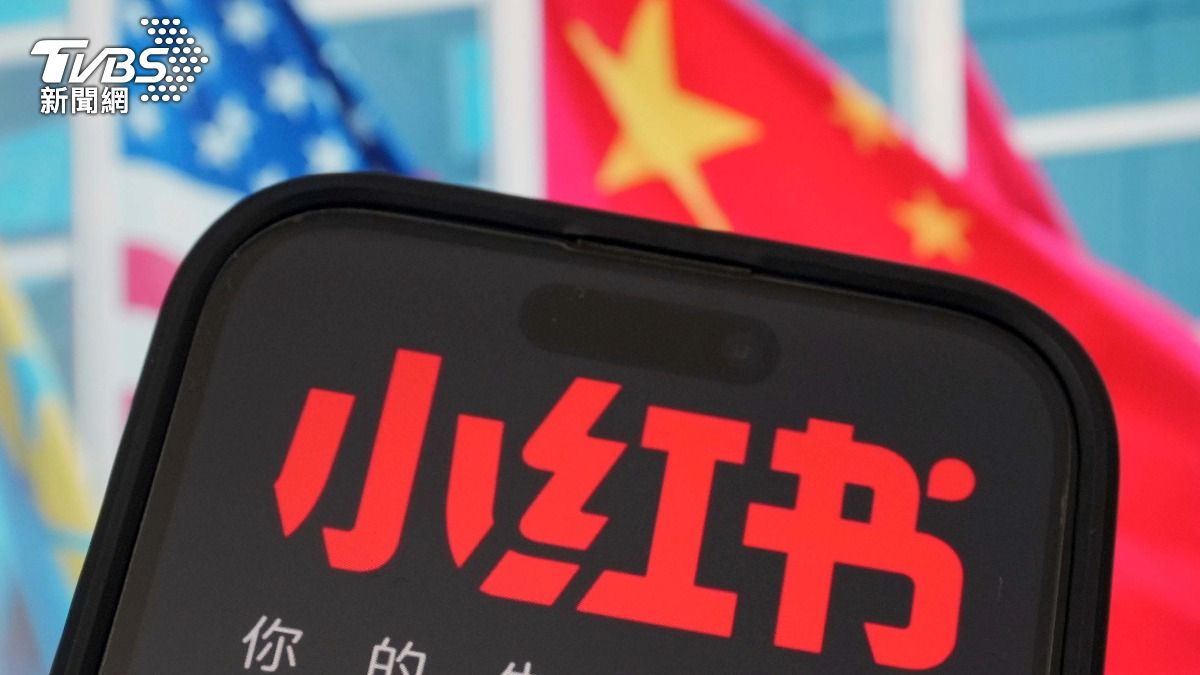
TAIPEI (TVBS News) — Taiwan's Mainland Affairs Council (MAC, 陸委會), the government agency responsible for cross-strait relations with China, voiced serious concerns on Thursday (May 29) that the popular Chinese social media platform Red Note (小紅書) may be functioning as a vehicle for promoting political unification with China. The minister stressed the urgent need for enhanced regulatory frameworks to counter potential influence operations.
The concerns follow provocative comments from Zhang Weiwei (張維為), a prominent professor at China's prestigious Fudan University (復旦大學) in Shanghai, who recently drew attention to Red Note's widespread adoption among young Taiwanese users. Zhang controversially claimed that Taiwan would prove more governable than Hong Kong under Chinese rule. MAC Minister Chiu Chui-cheng (邱垂正) characterized Zhang's statement as unprecedented — the first explicit connection made by a mainland academic between the social platform and Beijing's unification agenda — and cautioned Taiwan's citizens to exercise heightened awareness when engaging with Chinese apps including Red Note and TikTok (抖音).
The minister urged educational institutions across Taiwan to implement awareness programs highlighting the dual risks posed by such applications: unauthorized collection and potential misuse of personal information, alongside subtle channels for ideological messaging. During a legislative session, Democratic Progressive Party (DPP, 民進黨) lawmaker Huang Jie (黃捷) challenged the government's characterization of Red Note as an instrument of unification policy. Minister Chiu responded by calling for Taiwan's digital regulatory authorities to conduct a thorough investigation to alleviate growing public apprehension about the platform's true purpose.
Legislator Huang pressed further, criticizing what she characterized as the government's tentative approach, suggesting the MAC was operating on suspicion rather than concrete evidence and had been sluggish in addressing potential threats. Defending his agency's vigilance, Minister Chiu revealed that officials had already documented specific content on these platforms that explicitly promoted unification narratives and challenged the sovereignty of the Republic of China (Taiwan's official name). These concerning findings, he added, had initiated interagency consultations about appropriate countermeasures to safeguard Taiwan's information environment. ◼