



Celebrated Taiwanese poet Zheng Chou-yu dies at 94
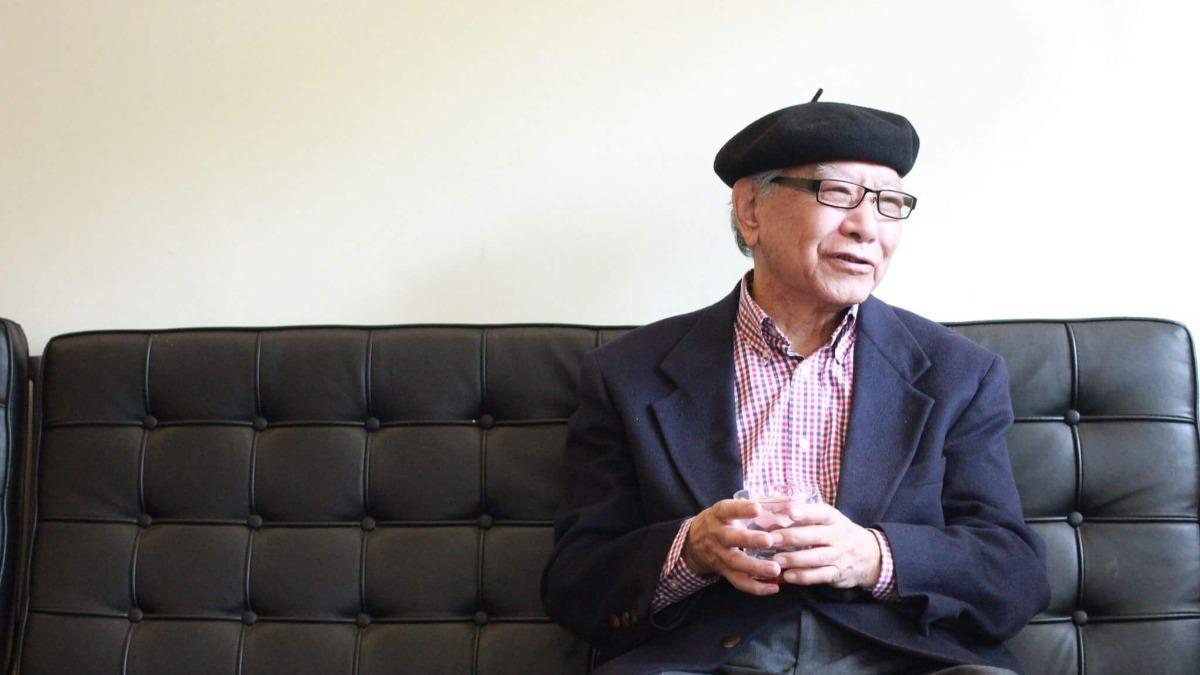
TAIPEI (TVBS News) — Zheng Chou-yu (鄭愁予), one of Taiwan's most celebrated literary figures whose lyrical verses captured the melancholy of displacement and the tenderness of memory, died on Thursday (June 13) at his home in the United States. He was 94. His family confirmed his passing, marking the end of a poetic career that spanned more than seven decades and profoundly shaped modern Chinese-language poetry in Taiwan and beyond.
Zheng rose to literary prominence with his emotionally resonant poem "Mistake" (錯誤), which became one of the most widely studied works in Taiwanese schools and a touchstone of modern Chinese poetry. Born in 1933 in Jinan (濟南), a city in China's Shandong province, Zheng relocated to Taiwan as a young man during the political upheaval following the Chinese Civil War. His formal education bridged East and West — he studied at Taiwan's Political Warfare College's arts department before furthering his literary training at the prestigious University of Iowa's Writers' Workshop in the United States.
Throughout his distinguished career, Zheng served as an influential editor for the avant-garde poetry magazine "Genesis" (創世紀), taught as a lecturer in foreign languages at Tunghai University (THU, 東海大學外國語文學系), and later became a respected professor at Taipei National University of the Arts (TNUA, 國立台北藝術大學). Zheng's distinctive poetic voice, which masterfully fused classical Chinese literary traditions with contemporary modernist techniques and imagery, played a transformative role in shaping Taiwan's post-war literary landscape.
The poet himself coined the term "Classicist of Modernism" to describe his unique artistic approach, embracing innovation while honoring traditional forms. His verses consistently explored profound themes of exile, nostalgia, and impermanence—reflecting both his personal journey away from his birthplace and the broader human experience of displacement that characterized much of 20th-century Chinese history.
In his final decades, Zheng made his home in the United States, where he maintained a remarkably productive creative output well into his nineties. His lyrical works, which have been translated into numerous languages including English, French, Japanese, and Korean, continue to influence successive generations of poets throughout the Chinese-speaking world and beyond. Beyond his celebrated poetry collections, Zheng leaves behind a diverse literary legacy that encompasses thoughtful critical essays, skilled translations of Western literature, and musical compositions — demonstrating an artistic versatility that transcended conventional boundaries between literature and other creative forms. ◼