


India urges Taiwan investment in GIFT City financial hub
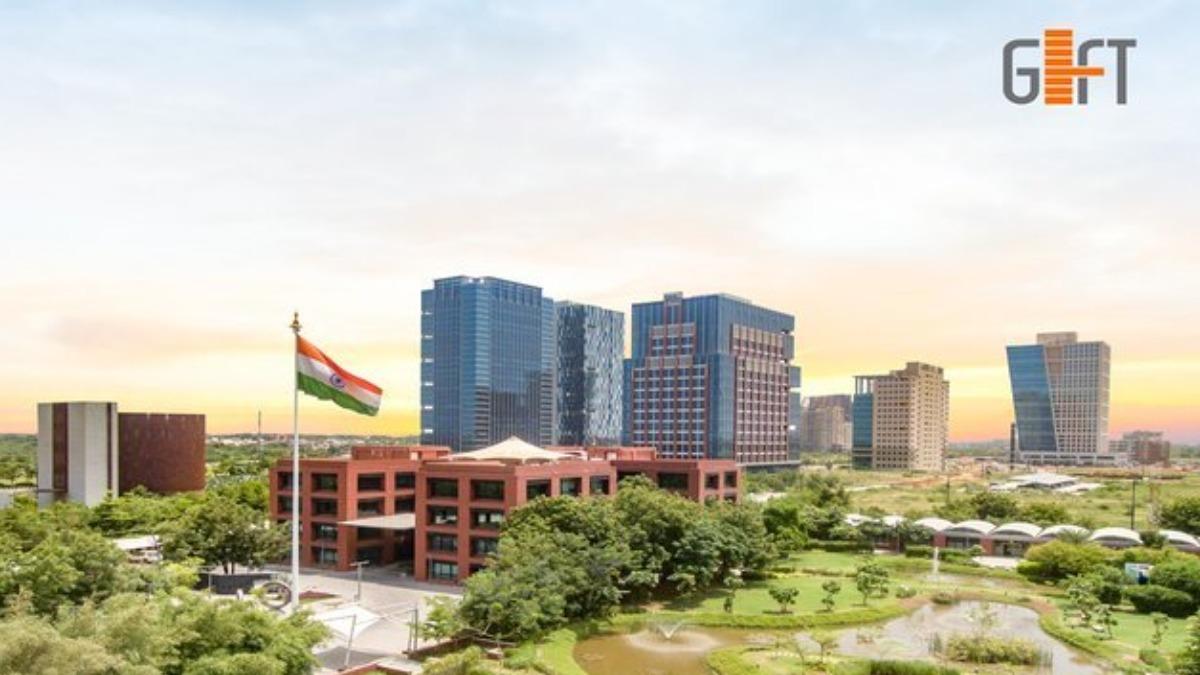
TAIPEI (TVBS News) — India's top financial zone regulator urged Taiwan to deepen its investment footprint in the South Asian nation's premier financial hub during high-level talks in Taipei on Monday (July 14). Shri K. Rajaraman, chairperson of the International Financial Services Centres Authority of India (IFSCA), highlighted the economic synergies between the two Asian economies. The Indian official led a delegation seeking to attract Taiwanese financial institutions to Gujarat International Finance Tec-City (GIFT City).
The Indian regulator described GIFT City as a groundbreaking financial zone offering unrestricted foreign currency transactions with complete convertibility. Financial institutions establishing operations in the special economic zone can serve both international and domestic Indian clients using various foreign currencies, including the New Taiwan dollar (NT$). Rajaraman emphasized that companies joining the financial hub would enjoy significant tax incentives and operational flexibility designed to attract international investment.
The special financial zone has already attracted 850 companies across diverse financial sectors including banking, fund management, insurance, capital markets, and financial technology firms. The IFSCA chairperson noted that major Taiwanese financial institutions CTBC Bank (中信銀行) and Taipei Fubon Bank (台北富邦商業銀行) have shown preliminary interest in the Indian financial hub. Rajaraman expressed optimism that additional Taiwanese enterprises would follow their lead in establishing operations at GIFT City.
India's top diplomat in Taiwan, Manharsinh Laxmanbhai Yadav, observed that shifting geopolitical dynamics have prompted Taiwanese businesses to diversify their investment portfolios toward democratic and politically aligned countries. The Indian representative emphasized his country's rapid advancement in semiconductor and electronics manufacturing sectors, fields where Taiwan maintains global leadership. Yadav suggested that deeper economic integration would create mutually beneficial supply chain resilience for both economies. ◼