



Ocean university researchers identify unique Formosan Clam
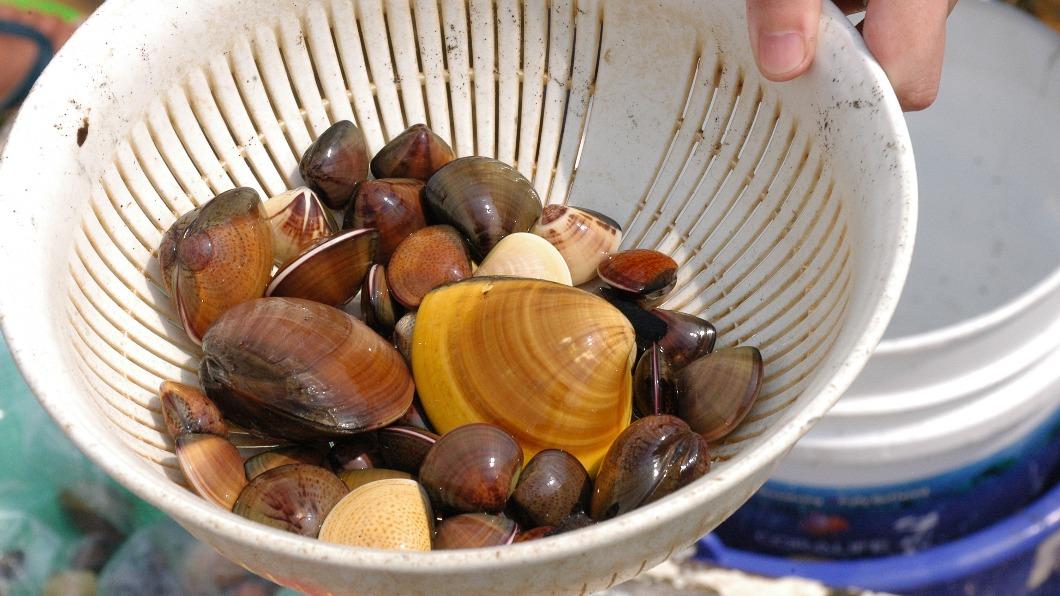
TAIPEI (TVBS News) — Scientists from National Taiwan Ocean University (國立台灣海洋大學) and the Fisheries Research Institute under Taiwan's Ministry of Agriculture (農業部水產試驗所) have accidentally discovered a previously unknown clam species along Taiwan's coastline. The researchers announced Thursday (July 17) that they have temporarily named their finding the "Formosan Clam" (寶島文蛤), noting that preliminary analysis suggests the species possesses enhanced disease resistance compared to other known varieties.
Ying-Ning Ho (何攖寧), an associate professor at the Taiwan Ocean Genome Center (台灣海洋基因體中心), a specialized marine research facility, revealed that researchers employed cutting-edge genomic sequencing technology earlier this year to confirm the clam's distinct species status. Their analysis traced the evolutionary history of the newly discovered mollusk, determining that the Formosan Clam diverged from the "Taiwanese Clam" (台灣文蛤) approximately 55 million years ago and from the Korean Clam (韓國文蛤) around 40 million years ago.
The unexpected discovery provides valuable insights into the genetic composition of Taiwan's marine biodiversity, particularly the Formosan Clam's notably enhanced immune-related genes. Scientists believe these genetic findings could potentially revolutionize aquaculture by enabling the development of clam varieties with superior disease resistance, accelerated growth rates, and improved environmental adaptability. Such advancements would offer commercial clam growers powerful tools to mitigate the growing challenges posed by climate change and increasing water pollution.
National Taiwan Ocean University and the Fisheries Research Institute simultaneously unveiled their ambitious "Taiwan Marine Genome Decoding Project" alongside the clam discovery announcement. The collaborative initiative aims to comprehensively map the genomes of 100 distinct marine species indigenous to Taiwan's waters by 2030, establishing a crucial genetic database for conservation and commercial applications. ◼