



Unions oppose Uber Eats’ delivery payment overhaul
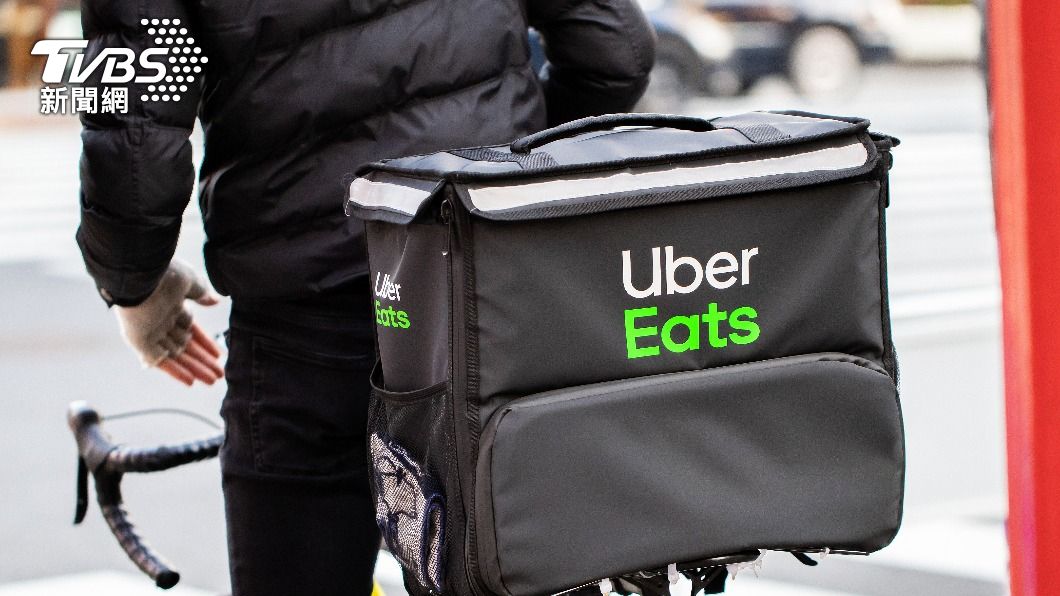
TAIPEI (TVBS News) — Uber Eats announced sweeping changes to its delivery fee structure on Friday (July 18), with implementation expected by month's end across Taiwan. The food delivery giant characterized the adjustments not as compensation reductions but as strategic reallocations of incentive payments into base rates. Company representatives emphasized their goal of creating a more responsive payment system that dynamically adjusts according to crucial real-time variables including geographic location, time of day, delivery distance, and order complexity — factors they claim will ultimately enhance operational efficiency throughout their delivery network.
The delivery platform acknowledged mounting public concerns regarding these modifications while expressing respect for differing interpretations of the planned changes. Uber Eats representatives pledged ongoing communication with Taiwan's regulatory authorities and promised to incorporate feedback from delivery personnel to refine platform operations. The announcement promptly triggered opposition from Democratic Progressive Party (DPP, 民進黨) Legislator Lin Yueh-chin (林月琴), who joined forces with three national labor unions and the delivery workers' union to convene a press conference, collectively demanding Uber Eats immediately suspend what they described as unilateral alterations to the compensation structure.
Legislator Lin directed pointed appeals toward Taiwan's Ministry of Transportation and Communications (MOTC, 交通部) and Ministry of Labor (MOL, 勞動部), urging government officials to compel Uber Eats to participate in formal negotiations with worker representatives. She also called for expedited completion of essential legal frameworks governing platform employment. The lawmaker emphasized that digital platform operators must establish minimum earning guarantees and implement transparent compensation systems for their workers. Lin further insisted that Uber Eats should immediately initiate meaningful negotiations with delivery workers' union representatives rather than imposing changes unilaterally. ◼