


Taiwan opposition leader demands tariff transparency
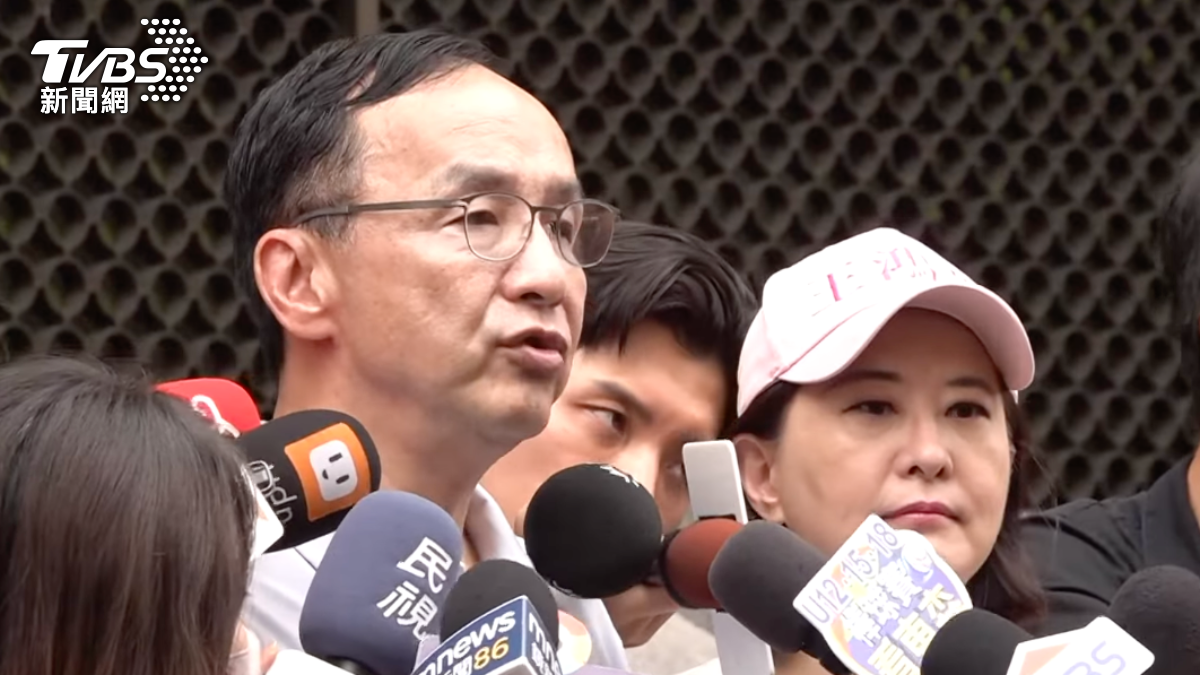
TAIPEI (TVBS News) — Eric Chu (朱立倫), chairman of the Kuomintang (KMT, 國民黨) Taiwan's main opposition party, urged transparency Tuesday (July 22) in the ongoing U.S.-Taiwan tariff negotiations. Chu highlighted past public backlash due to opaque dealings and emphasized the need for open discussions to prevent potential public discontent and industry losses. The call for transparency reflects growing political pressure over the sensitive trade negotiations between Taiwan and the United States, as opposition leaders demand greater government accountability in these critical economic discussions.
Reports have surfaced that Taiwan may have received a notice of a 32% tariff from the U.S., pending announcement after a major recall referendum. The American Institute in Taiwan (AIT, 美國在台協會), the de facto U.S. embassy in Taiwan, clarified that negotiations are still underway, advising reliance on official statements from both governments. The conflicting information has created uncertainty in Taiwan's business community about potential trade impacts and economic consequences. Taiwanese officials have yet to confirm or deny the reported tariff notice, adding to market speculation.
Chu stressed that a tariff agreement with the U.S. is a significant issue, warning that rates exceeding 20% could severely impact Taiwanese industries. Chu also noted that tariffs over 10% and exchange rate losses pose a serious challenge for businesses, pressing the government to secure the best possible terms. The KMT chairman's warnings reflect broader concerns about Taiwan's economic competitiveness in global markets amid rising trade tensions. Business leaders across Taiwan have expressed similar anxieties about potential impacts on export-dependent sectors and manufacturing operations.
Kuan Chung-ming (管中閔), former president of National Taiwan University (NTU, 台大) Taiwan's premier public university, along with scholars from the KMT and the Taiwan People's Party (TPP, 民眾黨) a third-party political organization, echoed concerns that tariffs above 20% would have a substantial effect on Taiwan's industries. The bipartisan academic and political consensus highlights the gravity of potential economic consequences facing Taiwan's export-oriented economy. Cross-party agreement on this issue underscores the severity of concerns about U.S. trade policy impacts on Taiwan's manufacturing sectors. ◼