



Taiwan to open 71 mental health centers this year
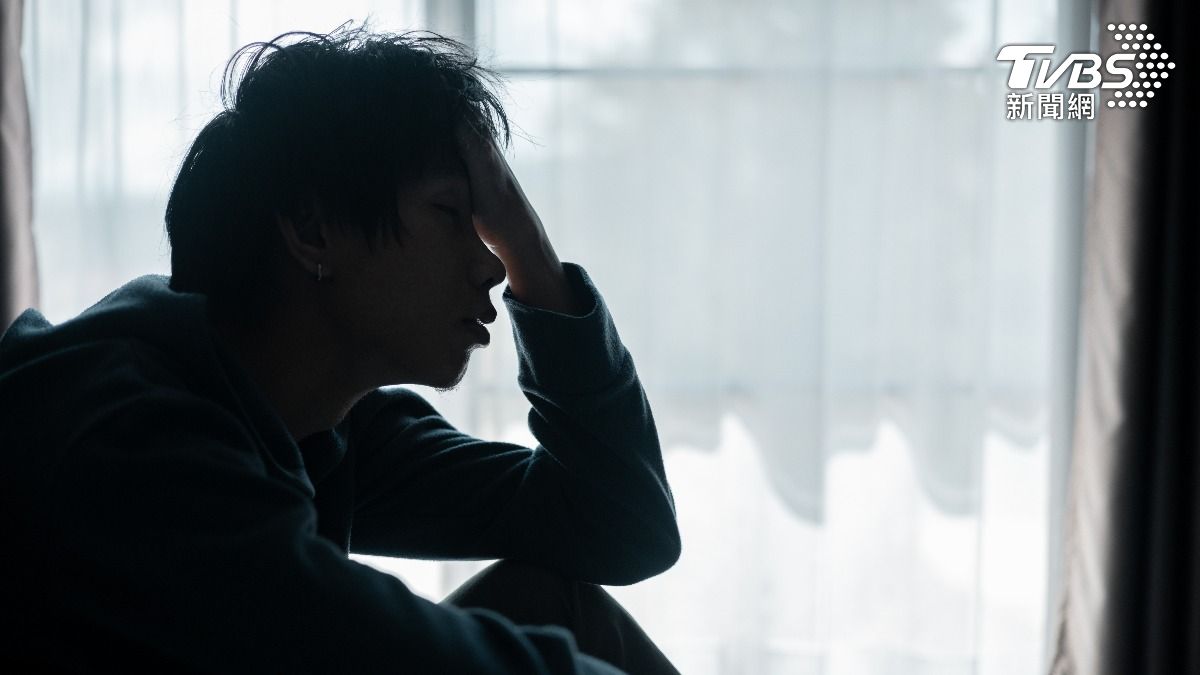
TAIPEI (TVBS News) — Taiwan's Department of Mental Health (心理健康司) unveiled ambitious plans Wednesday (July 30) to establish 71 community mental health centers across the island within the year, marking a significant expansion of mental health infrastructure. These specialized centers will enhance mental health support programs by carefully adapting services to meet specific community needs and demographics. Department director Chen Po-See (陳柏熹) emphasized the critical importance of these community-based facilities in promoting comprehensive mental health awareness and treatment accessibility throughout Taiwan.
Chen highlighted the remarkable success of the Ministry of Health and Welfare's (MOHW, 衛福部) Taiwan's health ministry mental health support program targeting individuals aged 15-45, noting its positive public reception. He acknowledged that officials will not rule out expanding the program's scope in the future, but emphasized that careful assessment of available financial resources remains essential. Chen characterized suicide's reemergence among Taiwan's top 10 causes of death as both a significant challenge and opportunity, given the public's increased willingness to address mental health issues.
Chen provided detailed analysis revealing that suicide motivations vary significantly across different age demographics, with interpersonal relationship difficulties and future uncertainty primarily affecting children and adolescents, while chronic illness and social loneliness disproportionately impact elderly populations. Taiwan's mental health challenges have become increasingly pronounced across all age groups, prompting urgent action from health authorities. The department's comprehensive efforts to expand community-based support systems reflect Taiwan's broader governmental commitment to systematically addressing these complex and evolving mental health issues. ◼
>>> If you or someone you know is in crisis, call 1995 to reach the Suicide Prevention Line. You can also call the Peace of Mind Line, under the Ministry of Health and Welfare (MOHW ), at 1925, or the Teacher Chang Foundation at 1980 for additional resources.