


Trump meets tech CEOs as chip tariff policy takes shape
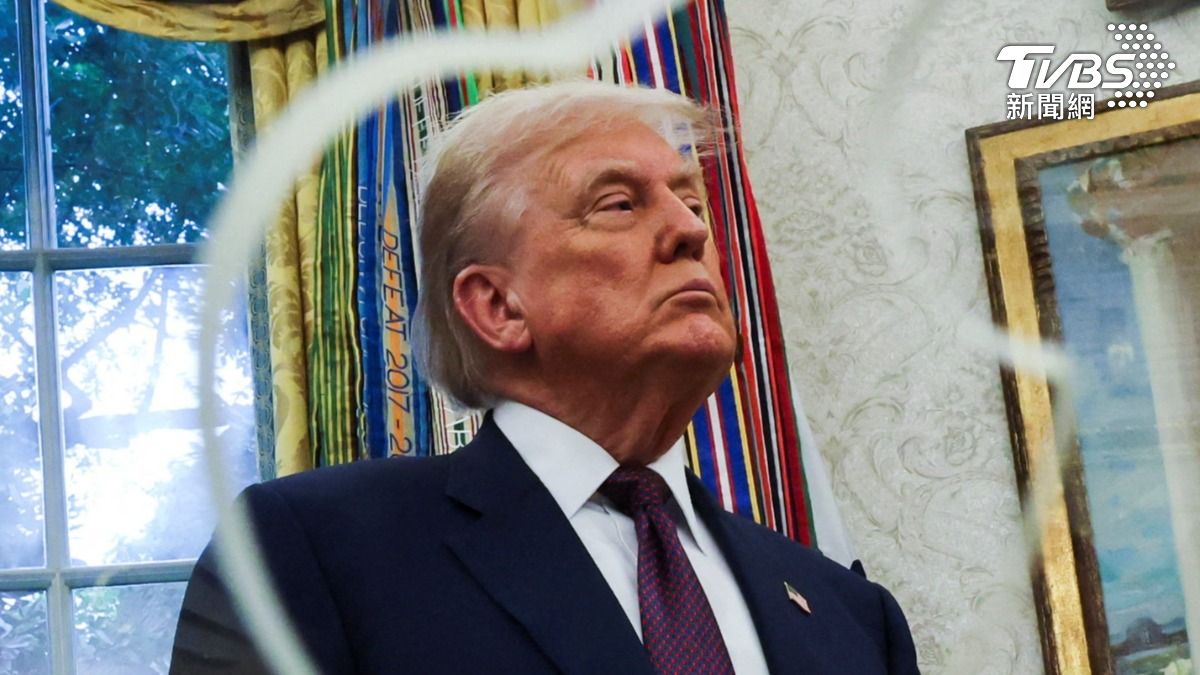
TAIPEI (TVBS News) — President Donald Trump announced Thursday (Aug. 7) plans to impose a punitive 100 percent tariff on imported semiconductors unless companies produce them in the United States or commit to building manufacturing facilities there. This aggressive trade policy will significantly impact Taiwan's crucial semiconductor industry, which dominates global chip production. Taiwan Semiconductor Manufacturing Company (TSMC, 台積電), the world's largest contract chipmaker, will be exempt from the tariffs due to its extensive investments in U.S. manufacturing facilities.
TSMC qualifies for the semiconductor tariff exemption due to its substantial investment in its Arizona manufacturing plant, which commenced mass production operations. This allows TSMC to continue producing high-end chips in Taiwan while avoiding punitive U.S. tariffs. Trump highlighted major technology companies' planned U.S. investments during an Oval Office press conference, including Apple's US$600 billion (around NT$17.9 trillion), NVIDIA's US$500 billion (around NT$14.9 trillion), and Micron Technology's US$200 billion (around NT$6.0 trillion).
Apple CEO Tim Cook announced standing in the Oval Office with President Trump that Apple will invest an additional US$100 billion (around NT$3.0 trillion) in the United States, bringing its total investment to US$600 billion (around NT$17.9 trillion). Cook revealed that Apple will become the primary customer of TSMC's Arizona manufacturing plant and expects its suppliers to produce 19 billion chips domestically. Every iPhone and Apple Watch sold globally will feature glass produced by Corning in Kentucky, demonstrating Apple's commitment to American manufacturing.
The tariffs aim to bolster domestic semiconductor production and incentivize foreign companies to establish manufacturing facilities in the United States. Trump emphasized that these substantial investment commitments must be honored to avoid retroactive tariff payments on previous imports. Trump met with NVIDIA CEO Jensen Huang (黃仁勳) before announcing Apple's investment plan, likely discussing critical topics including semiconductor production, tariff implications, the Chinese market, and future U.S. investments.
Semiconductor analyst Lu Hsing-chih (陸行之) observed in a Facebook post that Trump's tariff policy, with strategic exemption clauses, benefits companies like Apple and TSMC. Lu expressed concern that other countries might emulate Trump's aggressive approach, potentially causing widespread disruption across the global semiconductor industry. The analyst suggested major semiconductor companies, including United Microelectronics Corporation (UMC, 聯電), Vanguard International Semiconductor Corporation (VIS, 世界先進), and Samsung, could secure exemptions by expanding U.S. production. ◼ (At time of reporting, US$1 equals approximately NT$29.890)