



Digital payments eclipse cash in Taiwan consumer study
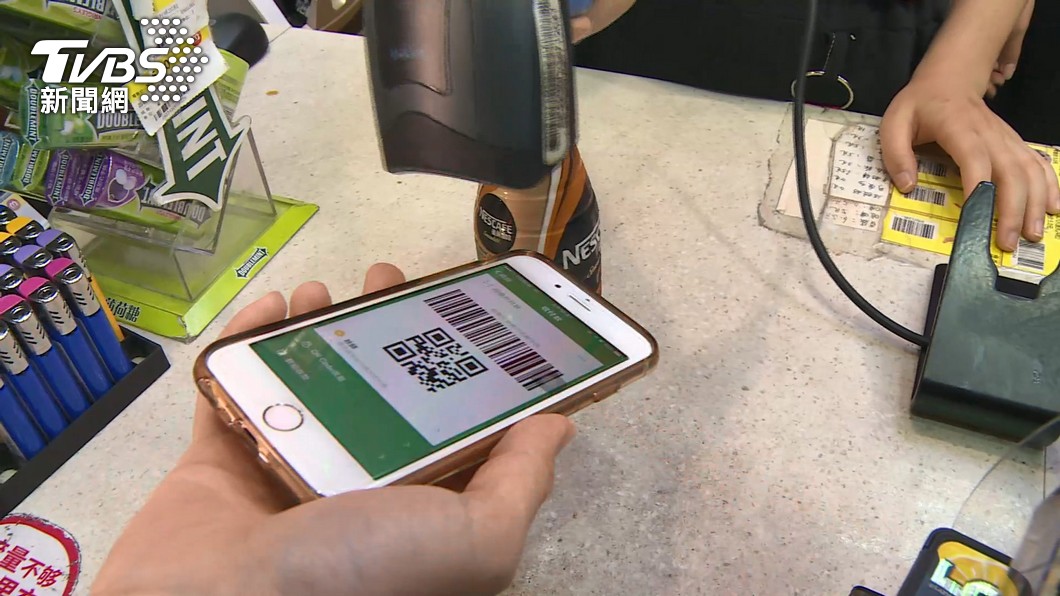
TAIPEI (TVBS News) — Mobile payments have overtaken cash as Taiwan's preferred method for small transactions, marking a historic shift in consumer behavior revealed Tuesday (Sept. 2) by the Market Intelligence & Consulting Institute (MIC, 資策會產業情報研究所), a leading technology research organization. The institute's comprehensive 2025 consumer survey showed that over 92% of Taiwanese residents have embraced mobile payment services. Mobile payments captured 46% of transactions under NT$50 (around US$1.63), decisively surpassing cash usage at 42% for the first time.
The institute documented dramatic behavioral changes, with 69% of consumers increasing their mobile payment frequency while 51% simultaneously reduced cash transactions. Consumer spending patterns revealed a pronounced concentration on smaller purchases, with 91% of mobile payment activity focused on amounts under NT$1,000 (around US$32.68). The most substantial growth occurred in micro-transactions under NT$200 (around US$6.54), reflecting Taiwan's shift toward cashless convenience for everyday purchases.
Survey data revealed that frequent mobile payment users reached 84%, establishing a commanding 13% advantage over physical card users in 2024, nearly doubling from the 7% gap recorded in 2023. Mobile payments stood as the sole payment method experiencing growth, surging by 5% while traditional alternatives faltered. Physical cards, cash, stored-value cards, and buy-now-pay-later services all registered slight declines, underscoring mobile payments' dominance in Taiwan's evolving financial landscape.
Cross-border payment adoption surged from 12% in 2023 to 19% in 2024, propelled by rebounding international travel and aggressive expansion initiatives by Taiwan's domestic electronic payment providers. Japan emerged as the dominant destination, capturing nearly 60% of cross-border payment usage among Taiwanese consumers. The data underscored Japan and South Korea's enduring status as preferred travel destinations for Taiwanese tourists, reflecting both geographical proximity and strong cultural ties.
The institute's comprehensive findings illuminate Taiwan's accelerating transition toward digital payment dominance, particularly for small-scale transactions that traditionally relied on physical currency. Consumer behavior patterns indicate an irreversible shift toward frequent digital payment adoption, fundamentally reshaping Taiwan's retail landscape. These trends carry profound implications for businesses and payment service providers who must rapidly adapt their strategies to accommodate evolving consumer preferences and capitalize on the cashless revolution. ◼