



Taiwan disputes German media report on road safety concerns
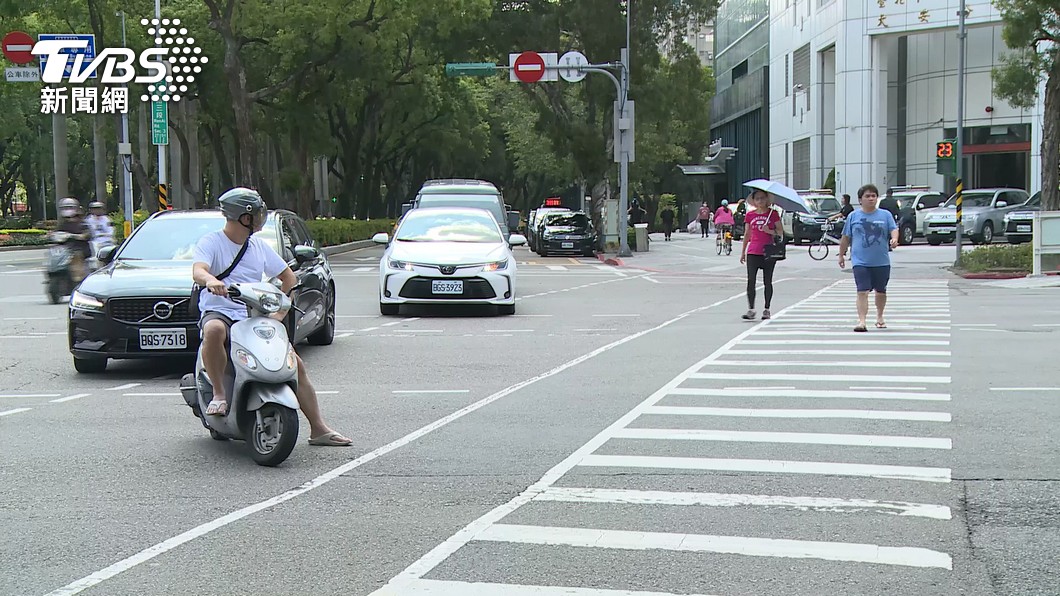
TAIPEI (TVBS News) — Taiwan's national tourism agency Thursday (Sept. 4) defended the island's traffic safety record after a German media report compared Taiwan's road fatalities to the Sept. 11 attacks, potentially damaging the country's tourism image. Deputy Director-General of the Tourism Bureau Huang Shih-fang (黃勢芳) responded to bne IntelliNews's Sept. 1 report claiming Taiwan has extremely fatal traffic conditions that threaten pedestrians and drivers. The German publication's stark comparison has raised concerns about potential impacts on Taiwan's efforts to attract international visitors.
Huang addressed these concerns by asserting that the German report presents a one-sided misunderstanding of Taiwan's traffic situation and compared the island's conditions favorably to those in Thailand. The tourism official suggested the international portrayal was unfair and misleading to potential visitors. Despite initially aiming for 10 million visitors this year, Huang acknowledged the target might prove challenging to achieve, with a more realistic expectation now set at 9 million tourists.
Taiwan needs a 20% increase in visitor numbers compared to last year to meet its year-end tourism goals, but current growth rates stand at only 10%. Huang attributed this significant shortfall to indirect factors including floods, earthquakes, and tariffs that have contributed to more conservative consumer behavior. The combination of natural disasters and economic pressures has created headwinds for Taiwan's tourism recovery efforts following the pandemic.
The German report stated that Taiwan experienced over 375,000 traffic accidents in 2022, resulting in more than 3,000 deaths, a figure surpassing the fatalities from the Sept. 11 attacks. The bne IntelliNews article used this comparison to caution individuals considering travel to Taiwan, highlighting road safety as a significant concern for tourists. The stark statistical comparison has become a focal point in discussions about Taiwan's international image and tourism safety perceptions. ◼