



Taiwan government addresses power concerns after fire
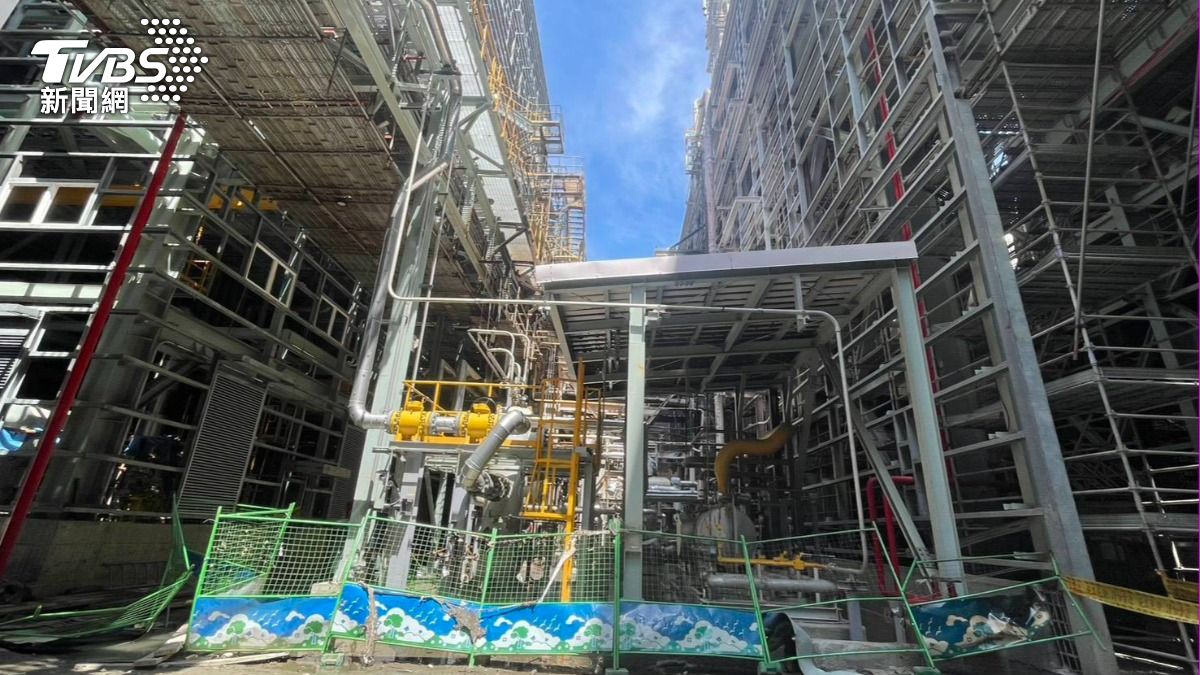
TAIPEI (TVBS News) — Taiwan's government moved swiftly Wednesday (Sept. 10) to reassure the public that a fire at the Hsinta Power Plant (高雄興達發電廠) in Kaohsiung had not disrupted the island's electricity supply. The Ministry of Economic Affairs (經濟部) activated backup units including Dalin Unit 5 (大林5號機) and Hsinta Unit 4 (興達4號機) to maintain power stability following the Monday incident. Officials confirmed the evening peak-hour reserve margin exceeded the critical 6% threshold, demonstrating the system's resilience during the emergency response.
Taipower (台電), Taiwan's state-owned electricity company, reported that the fire forced a temporary suspension of operations and testing at the Hsinta Power Plant's new gas-fired Units 1 and 2. The utility company emphasized it will resume operations only after completing comprehensive inspections and implementing necessary safety improvements. The Ministry of Economic Affairs clarified that media reports describing "alert notification for all units" referenced standard emergency procedures previously implemented during national examination periods.
Ministry officials emphasized that power shortages represent less concern than maintaining the crucial 6% power reserve during peak demand periods. The government explained that Unit 1, which had operated continuously since June, was shut down for natural gas pipeline safety inspections following a testing incident with Unit 2. This precautionary approach demonstrates Taiwan's commitment to electrical grid safety and reliability during critical infrastructure maintenance procedures.
The Ministry of Economic Affairs stressed that comprehensive information remains publicly accessible on its official website, firmly dismissing allegations of unauthorized operations. Officials confirmed proper communication with the Kaohsiung City Government according to established regulatory protocols. This transparency initiative aims to maintain public confidence and ensure continued trust in the government's management of critical power supply infrastructure during emergency situations. ◼