



Health officials target flood responders with free vaccines
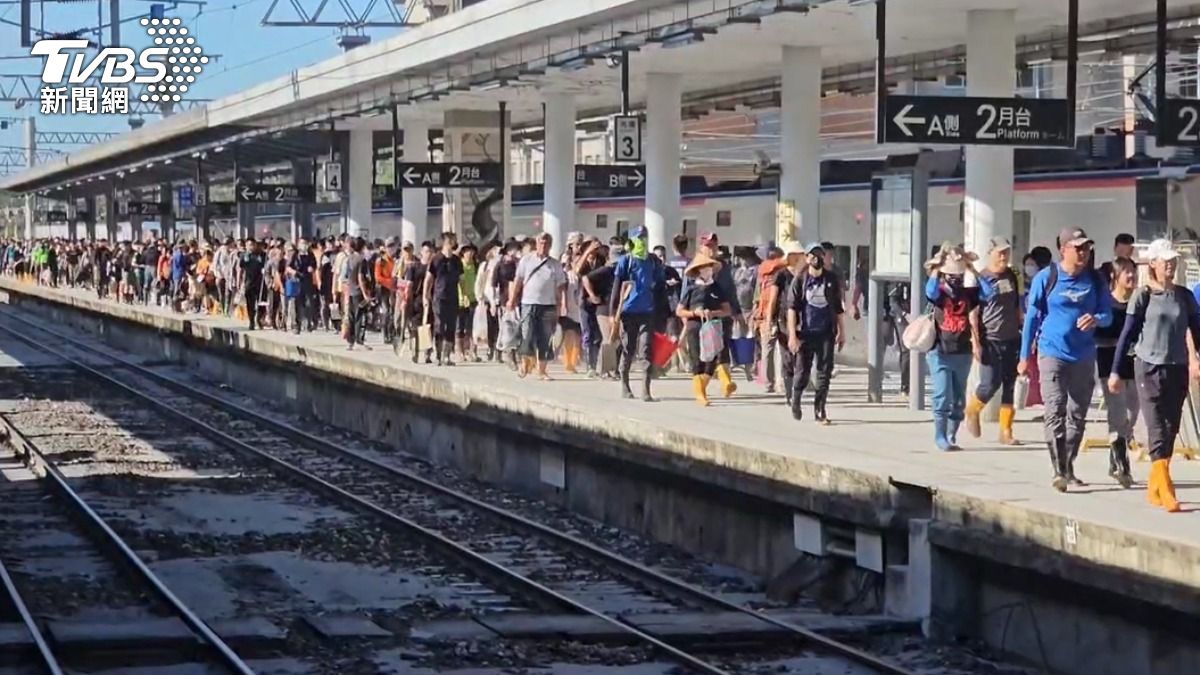
TAIPEI (TVBS News) — Taiwan health officials expanded free flu vaccine coverage Tue. (Sept. 30) following devastating Hualien floods, targeting all residents, volunteers, and rescue workers including "Shovel Superheroes" (鏟子超人) to prevent disease outbreaks. The Centers for Disease Control (CDC, 疾管署), Taiwan's national health authority, announced emergency vaccination measures amid rising flu cases and disaster response operations.
CDC Deputy Director-General Lee Chia-lin (李佳琳) reported 129,831 flu-like illness visits from Sept. 21 to 27, marking a 10.2% weekly increase. Director-General Lo Yi-chun (羅一鈞) warned of elevated flu risks during the Moon Festival (中秋節), Taiwan's traditional autumn holiday, with current patient numbers exceeding autumn peaks from two years prior.
The dominant flu strain shifted from H1N1 to H3N2, with Lo predicting stable or slightly rising cases through October. The CDC prioritized emergency vaccinations at the Matai'an Creek (馬太鞍溪) landslide lake shelter, administering 265 flu vaccines and 49 COVID-19 vaccines to displaced residents and emergency responders.
CDC spokesperson Tseng Shu-hui (曾淑慧) confirmed vaccination expansion to Guangfu Township (光復鄉) residents and disaster responders. Lo estimated 12,000 vaccines needed for military personnel and Shovel Superheroes, promising additional supplies if necessary. No flu or gastroenteritis clusters emerged at shelters, though some volunteers and military personnel received antiviral treatments for flu-like symptoms.
Lo noted Hualien's absence of melioidosis cases over the past decade, suggesting regional environmental conditions don't support the bacterium. Leptospirosis remains prevalent in the area, prompting continued CDC surveillance of disease patterns among flood-affected populations and emergency responders. ◼