



Taiwan’s ancient savanna ecosystem revealed in study
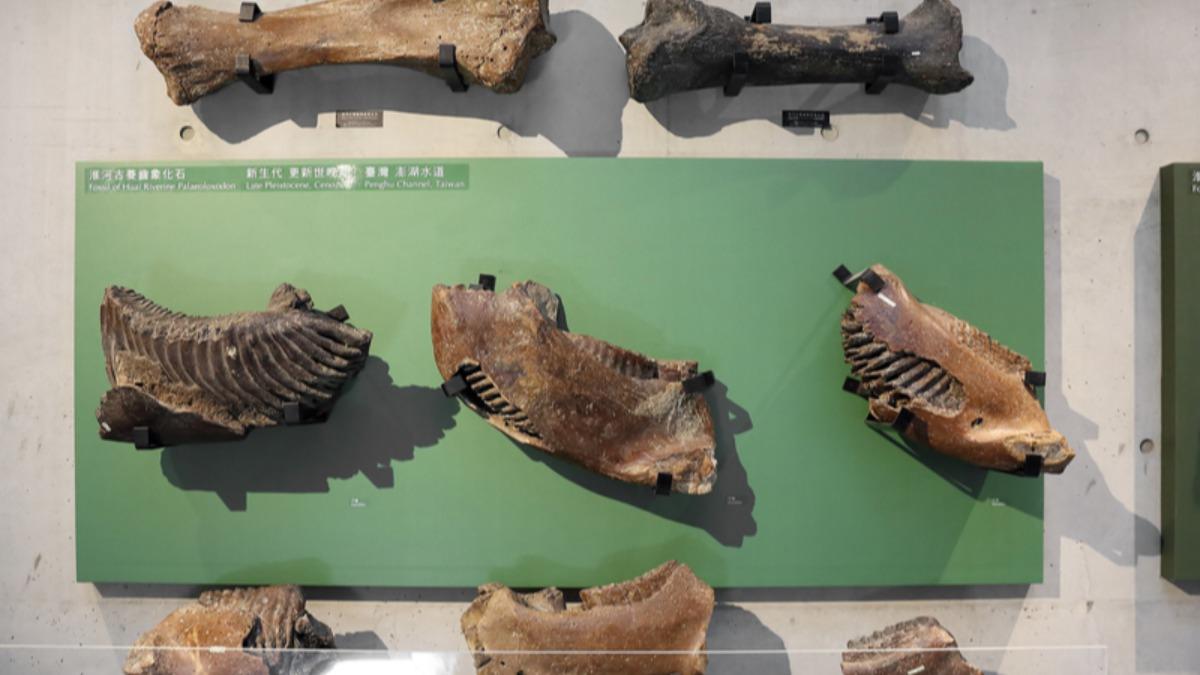
TAIPEI (TVBS News) — Researchers from the National Museum of Natural Science (國立自然科學博物館) and National Taiwan University (台灣大學) have unveiled a groundbreaking study on Wednesday (Nov. 5), revealing Taiwan's Pleistocene ecosystem for the first time. They discovered a dry, warm savanna environment dominated by grasslands and rivers. This study sheds light on the island's ancient ecological landscape, which was significantly different from the forests that cover Taiwan today.
Published in the journal Royal Society Open Science, the study analyzed stable carbon isotopes from the enamel of ancient Straight-tusked Elephants (Palaeoloxodon). The findings indicate these creatures fed on water-efficient C4 plants almost year-round, similar to their counterparts in India and Africa. Chun-Hsiang Chang (張鈞翔), a researcher at the National Museum of Natural Science, noted that the feeding habits of Palaeoloxodon species differed from those in Europe and Japan, which preferred C3 plants. This evidence supports the existence of a C4 plant-dominated savanna during the time when the Taiwan Strait was part of a land mass.
Chang emphasized that this discovery reconstructs the unique ecological landscape at the edge of East Asia during the Ice Age, highlighting significant dietary variations of the Palaeoloxodon species across Eurasia with latitude changes. Cheng-Hsiu Tsai (蔡政修), a professor at National Taiwan University, explained that oxygen isotope analysis revealed Taiwan's Palaeoloxodon species used freshwater river resources. This supports the presence of large freshwater rivers flowing through the Taiwan Strait during the Pleistocene era.
The study marks a critical milestone in understanding East Asia's paleoecology, diversity evolution, and regional species differentiation. For the first time, it reveals the existence of a Pleistocene megafauna grassland-riverine ecosystem in Taiwan. The research utilized isotopic records from Palaeoloxodon teeth, obtained by National Taiwan University doctoral candidate Deep S. Biswas. These records captured the weaning behavior of juvenile Palaeoloxodon species extending up to five or six years, a finding that has enriched the knowledge of the life history of this megafauna.