



Movie industry disrupted by AI, France official tells Taiwan
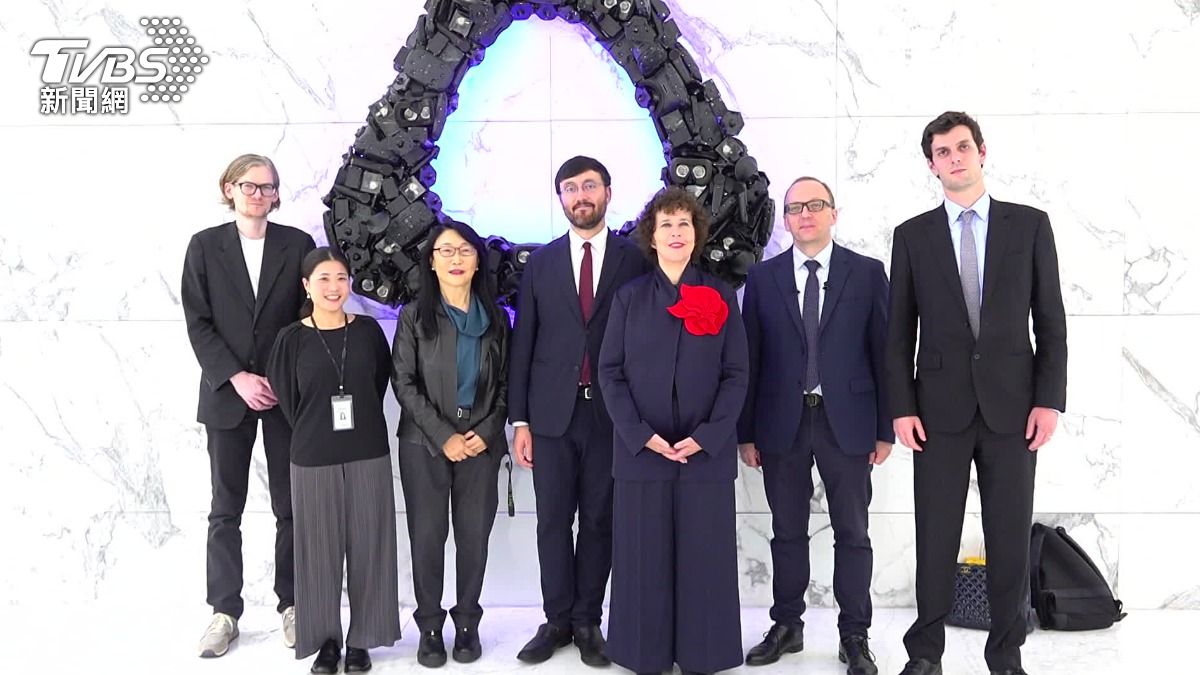
TAIPEI (TVBS News) — The global film industry is facing a transformative shift as artificial intelligence (AI) reshapes how movies are conceptualized, produced, and distributed. At the forefront of this change is Gaëtan Bruel, president of France's National Film Board (CNC), who is in Taipei for the Taiwan Creative Content Festival (TCCF, 創意內容大會). Bruel told TVBS on Tuesday (Nov. 4) of Taiwan's growing significance as a leading destination not only for technological advancements but also for creative content. "Taiwan is, and is more than ever, a tech destination, one of the leading territories for the hardware," Bruel stated, applauding the island's bold vision to become a creative hub.
France is actively collaborating with Taiwan to navigate the challenges and opportunities that AI has introduced to the film industry. Bruel noted that the industry is experiencing "unprecedented challenges," as traditional premium models for creation face disruption from low-cost models driven by free platforms and the resurgence of piracy. AI stands at the center of this disruption, transforming the creative content landscape. "We believe that AI can be a positive revolution, both for the creation itself, also for distribution of contents," Bruel said, while also emphasizing the need for responsibility and transparency in AI usage.
Despite the challenges, Bruel remains optimistic about AI's potential to revolutionize the film industry. He views AI as a tool that can enhance creativity when used correctly. However, he warned against the pitfalls of over-reliance on AI for producing standardized content. "What we need if we really want our content to be successful is to keep human creativity, to keep a unique ability to tell stories, to share emotions," he asserted. France is committed to supporting filmmakers by focusing on creativity rather than merely cutting costs through the use of new technology.
In the midst of rapid technological advancements, France and Taiwan are collaborating to preserve their distinct film cultures from being overshadowed by global content. Bruel highlighted France's strong copyright protections as a model that complemented Taiwan's creative innovation. "France invented two centuries ago, a model which is not the copyright, but which is in French, the 'droit d'auteur,'" he explained, emphasizing that this model ensures creators retain certain rights over their work.
Bruel also underscored the importance of education in preserving cinema and nurturing future filmmakers. France has long invested in film education as a means to cultivate future audiences and creators. "And today in France, we have 100,000 teachers, bringing every year 2 million students, from K1 to K12, from five year old to 18 year old, they go three times a year to movie theater, and now we have a plan to double that number," Bruel noted. By teaching young people about movies in schools, France aims to keep theaters vibrant and alive.
As the media landscape continues to evolve, Bruel envisions a new golden age for cinema, provided that new technologies are embraced alongside core creative values. He advocates for a balanced approach, where AI serves as a tool to enhance, rather than replace, human creativity. "If we stay true to our values while embracing these new technologies, then we can open up a new golden age for creation," Bruel believes.
The collaboration between France and Taiwan exemplifies the potential for international partnerships to foster innovation while preserving cultural identity. Both countries aim to ensure their film industries thrive amid technological advancements, with a focus on nurturing creativity and fostering cultural exchange. As Bruel concluded, "We are at a moment when everyone can become a creator. We have the tools to achieve individually what was just reserved to a few in the previous age of creation." ◼