


Chipmaker battle: Intel defends hire in TSMC lawsuit
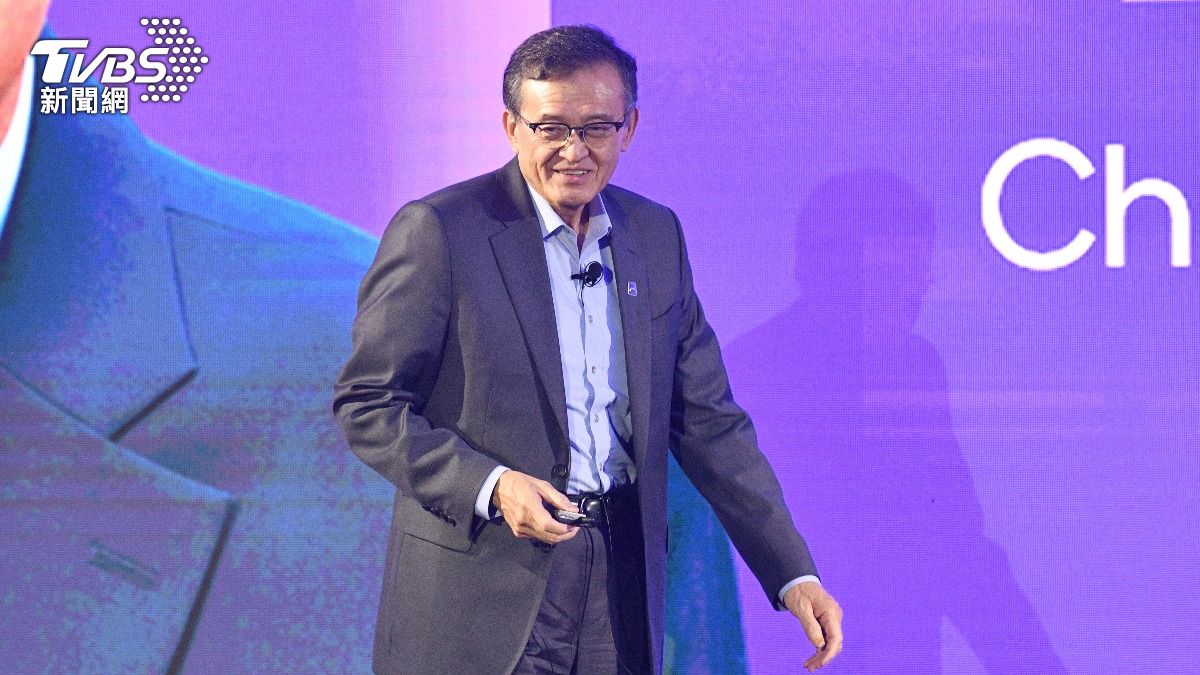
TAIPEI (TVBS News) — Intel Corp. Chief Executive Lip-Bu Tan (陳立武) has defended an executive accused of potentially stealing trade secrets from Taiwan Semiconductor Manufacturing Co. (TSMC, 台積電), escalating a legal battle that leaves critical questions unanswered. Tan issued an employee letter Thursday (Nov. 27) expressing full support for Lo Wei-jen (羅唯仁), who joined Intel after retiring from TSMC.
Tan told Intel employees the company does not believe allegations against Lo have any substantive basis, according to the email statement. Intel maintains strict policies prohibiting use or transfer of third-party confidential information, Tan emphasized in the communication. Lo has not issued any personal response to the allegations, leaving only Intel's institutional defense on record while TSMC's lawsuit proceeds.
TSMC filed a lawsuit Monday (Nov. 25) with Taiwan's Intellectual Property and Commercial Court against Lo, who retired July 27 after 21 years as senior vice president. TSMC alleges Lo violated his employment contract, a non-compete agreement and Taiwan's Trade Secrets Act. The company did not disclose the specific terms or duration of the non-compete restrictions, leaving key details of its case unclear.
Lo joined Intel as executive vice president shortly after leaving TSMC, though his specific responsibilities at Intel remain undisclosed, raising questions about potential conflicts. During his July 22 exit interview, Lo told TSMC's legal counsel he would join an academic institution, not mentioning Intel, according to the TSMC's lawsuit. This alleged misrepresentation forms a key part of TSMC's complaint about Lo's conduct during his departure.
TSMC alleges Lo continued requesting meetings and materials from research staff after the company transferred him in March to its Corporate Strategy Development Department, a staff advisory office to TSMC's chairman and president. The position in principle no longer oversees R&D management. TSMC did not clarify whether it granted these requests or how Lo accessed the information, leaving gaps in its allegations.
The lawsuit claims Lo sought information about advanced process technologies under development and future plans but does not identify specific trade secrets allegedly at risk, weakening the specificity of TSMC's claims. TSMC said Lo's sensitive position creates high potential for using or disclosing company trade secrets. The company reserved the right to seek breach-of-contract damages but did not specify amounts, another key detail left unclear in the legal filing.
Intel's statement did not address whether the company conducted due diligence on Lo's non-compete obligations before hiring him, raising questions about the hiring process and internal compliance procedures. Industry observers noted Tan's swift defense of Lo carries particular weight given his good relationship with TSMC. Some analysts suggest TSMC may file parallel lawsuits in U.S. courts to strengthen its legal position and pursue remedies in Intel's home jurisdiction.
TSMC shares opened at NT$1,450 (around US$46.47), up NT$10 (around US$0.32), unaffected by Intel's denial, suggesting investors view the legal dispute as having limited impact on the chipmaker's business operations. ◼ (At time of reporting, US$1 equals approximately NT$31.2)