



Taiwan study finds typhoons cool marine heatwaves
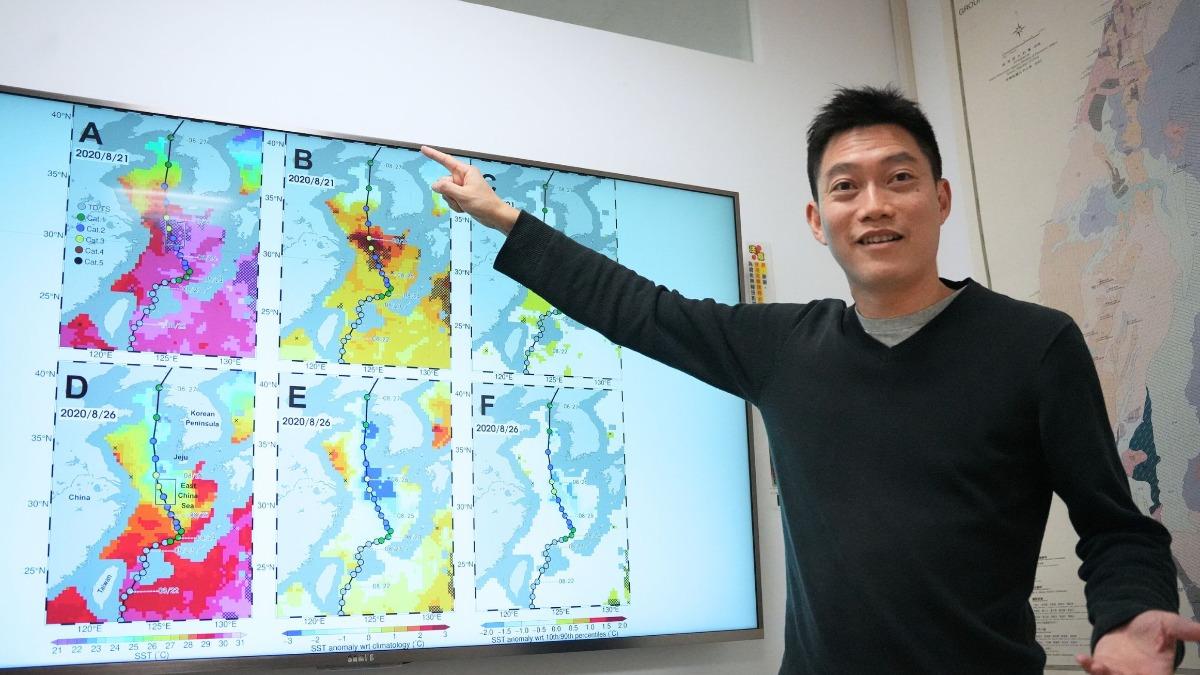
TAIPEI (TVBS News) — Researchers from National Central University (中央大學) in Taiwan have unveiled a study revealing that typhoons act as "natural regulators" of marine heatwaves. The study, published in the journal Science Advances, highlights how typhoons can swiftly eliminate and delay the onset of marine heatwaves, providing a respite for marine ecosystems.
According to a press release from Friday (Nov. 28), the research was led by Iam-Fei Pun (潘任飛), head of National Central University's hydrology and oceanography department, and showed that the cooling effect triggered by typhoons helps suppress marine heatwaves. The team first examined Typhoon Bavi (巴威) in 2020, discovering that it cooled the East China Sea's surface by 7 degrees Celsius. The cooled area remained free of heatwave events for eight months.
Further analysis of 85 cases over the past decade in the Northwest Pacific reveals that typhoon-induced cooling made 99% of marine heatwaves disappear post-typhoon. The study explains that typhoons promote vertical mixing, bringing cooler water from deeper in the ocean to the surface and neutralizing the high temperatures of marine heatwaves. This phenomenon alleviates the potential impacts of marine heat waves and offers a breathing space for marine life from extreme heat.
The team emphasizes the significance of comprehending these interactions to predict the evolution of extreme weather events amid global warming. The research team also includes I-I Lin (林依依) and Chun-chieh Wu (吳俊傑) from National Taiwan University (台灣大學), and it also had support from the National Science and Technology Council (國家科學及技術委員會).