


TEEMA praises U.S.-Taiwan tariff deal, investment pledges
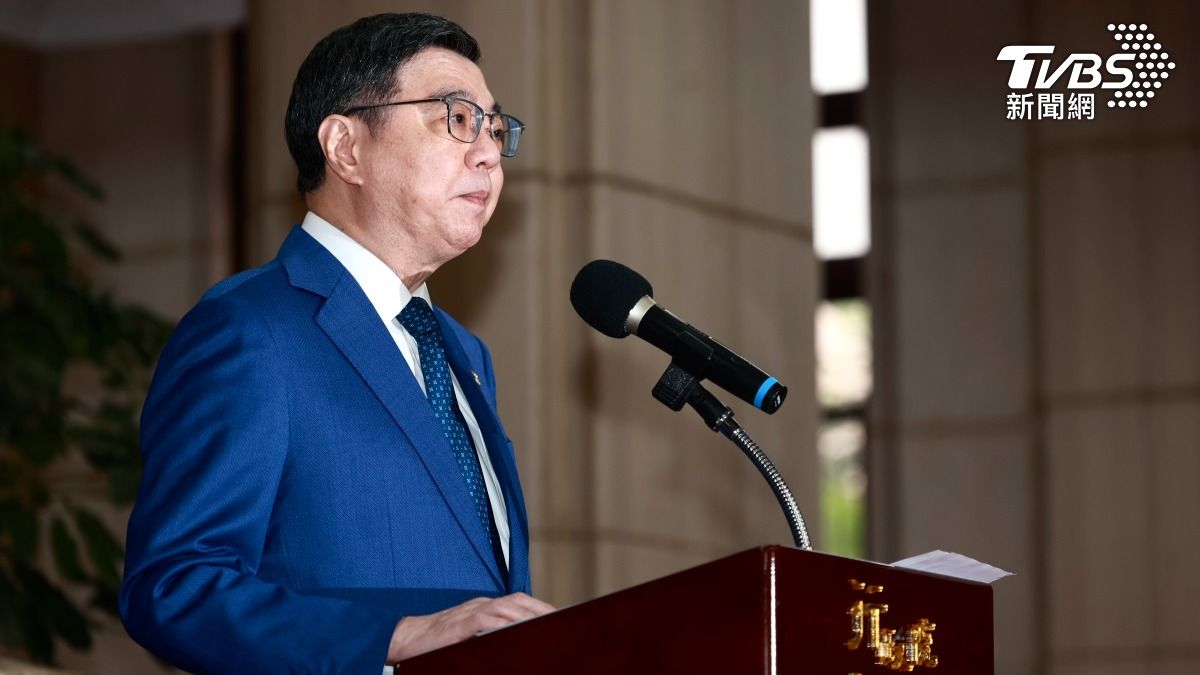
TAIPEI (TVBS News) — The Taiwan Electrical and Electronic Manufacturers' Association (TEEMA, 台灣電機電子工業同業公會) praised the U.S.-Taiwan tariff agreement finalized on Wednesday (Jan. 15), commending the Executive Yuan (行政院), Taiwan's cabinet, negotiation team for its efforts. The agreement includes mutual tariff reductions to 15 percent and up to US$500 billion (around NT$15.75 trillion) in combined investment commitments, according to the association. TEEMA expressed commitment to supporting the government's execution plans and industrial policies to enhance supply chain resilience.
Taiwan secured a mutual tariff reduction to 15 percent without adding the existing Most-Favored-Nation (MFN) tax rate, according to TEEMA. Taiwan emerged as the first country to secure the most favorable tariffs for semiconductor and derivative products for U.S. investors. The agreement also includes preferential tariffs on auto parts and timber under Section 232, a U.S. trade law that allows tariffs on imports deemed threats to national security.
TEEMA emphasized Taiwan's ambition to lead businesses into the U.S. supply chain using what it calls the Taiwan model, aiming to build industrial clusters and expand global competitiveness. Capital commitments include US$250 billion (around NT$7.88 trillion) in independent investments by Taiwanese companies. The agreement also includes up to US$250 billion (around NT$7.88 trillion) in corporate financing supported by government credit guarantees, bringing total commitments to US$500 billion (around NT$15.75 trillion).
The association highlighted the mutual investment in high-tech sectors, establishing a strategic partnership in the global AI supply chain between Taiwan and the U.S. The developments mark a significant milestone in Taiwan's industrial strategy, potentially setting the stage for increased global influence and economic collaboration. TEEMA said it would continue working with the government to implement the agreement's provisions. ◼ (At time of reporting, US$1 equals approximately NT$31.5)