


Taiwan 1st nation eligible for U.S. duty-free quotas: Cheng
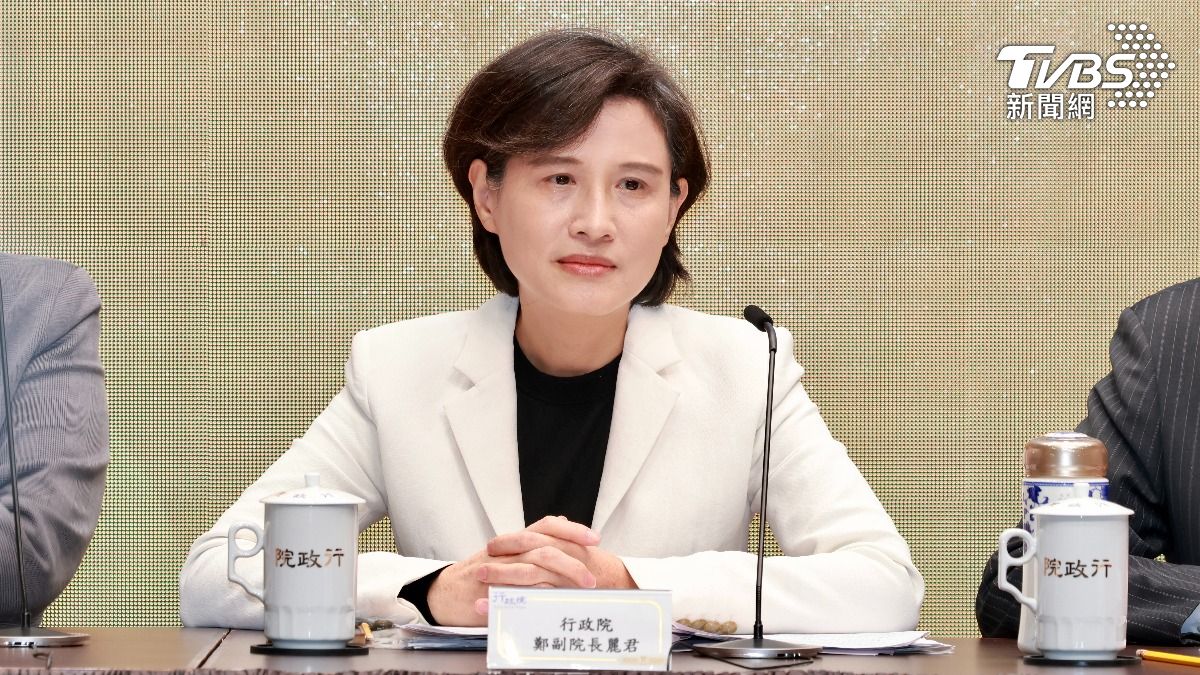
TAIPEI (TVBS News) — Taiwan and the United States agreed on a 15% reciprocal tariff rate on goods without stacking them on existing most-favored-nation (MFN) rates, Vice Premier Cheng Li-chiun (鄭麗君) reiterated on Tuesday (Jan. 20). The deal includes preferential treatment for semiconductors and derivatives under Section 232 of U.S. trade law, making Taiwan the first nation worldwide eligible for future duty-free quotas. Cheng confirmed the breakthrough at a press conference detailing the outcome of U.S.-Taiwan tariff negotiations.
Taiwan will offer US$250 billion (around NT$7.9 trillion) in semiconductor investments and US$250 billion (around NT$7.9 trillion) in credit guarantees to SMEs' investment in the United States under the agreement, Cheng said. The deal places Taiwan on par with major U.S. allies such as the European Union, Japan, and South Korea in terms of tariff benefits. Taiwan becomes the first country to secure the most favorable treatment status for its semiconductors and suppliers of related products, according to Taiwan's Cabinet, the Executive Yuan (行政院).
The U.S. vowed to grant Taiwan the most favorable treatment under Section 232 for semiconductor and derivative tariffs, Cheng confirmed. Cheng announced the signing of an investment memorandum of understanding (MOU) between Taiwan and the U.S. The Taiwan-U.S. reciprocal trade agreement is set to be finalized in the coming weeks, with Cheng planning to sign the deal with the U.S. Trade Representative.
Cheng emphasized that the Taiwanese model supports strategic international positioning for domestic industries, countering the notion of 'supply chain relocation.' The agreement aims to expand beneficial international arrangements with the U.S., Cheng said. Taiwan Semiconductor Manufacturing Company (TSMC, 台積電), the world's largest contract chipmaker, must respect its future investment plans, Cheng noted. The government will continue to assist TSMC and related tech industries in expanding investments in Taiwan.
The agreement will address tariffs, non-tariff trade barriers, and economic security issues between Taiwan and the United States, according to the Executive Yuan (行政院), Taiwan's cabinet. The deal represents a significant breakthrough in U.S.-Taiwan economic relations, placing the island on equal footing with Washington's closest allies in trade matters. Cheng hopes to sign the Taiwan-U.S. reciprocal trade agreement with the U.S. Trade Representative in the coming weeks. ◼