



Geomagnetic storm hits, lasting 13 hours in Taiwan
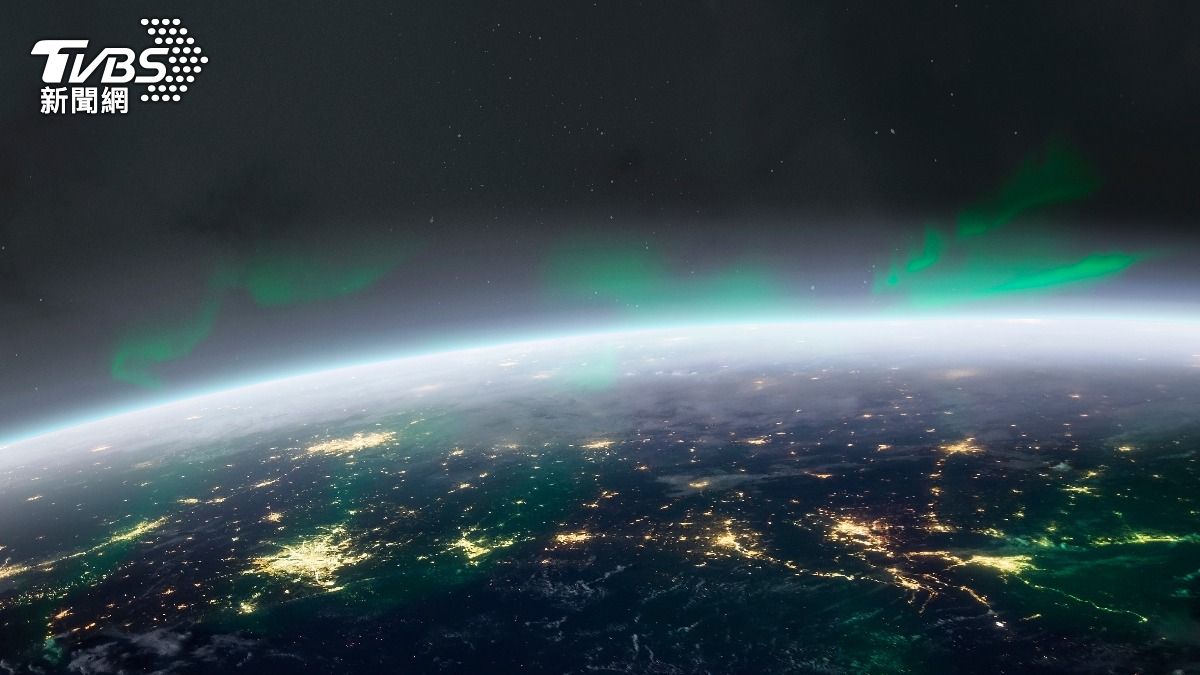
TAIPEI (TVBS News) — The Central Weather Administration's (中央氣象署) Space Weather Operational Office (太空天氣作業辦公室) reported a rapid rise in the geomagnetic storm index at 2 a.m. on Wednesday (Jan. 21), predicting its impact will persist for 13 hours. This phenomenon follows an X1.9 class long-duration solar flare and corona mass ejection (CME) from the sun's active region AR4341 on Jan. 19, which has increased solar wind speed and density.
Dr. Chang Chia-ming (張家銘) warned that solar magnetic storms could trigger insomnia, elevated blood pressure, and accelerated heart rate, posing an invisible threat to individuals with hypertension, arrhythmia, or arteriosclerosis. He emphasized, "Research abroad confirms that strong geomagnetic disturbances interfere with the autonomic nervous system, cardiovascular system, and sleep rhythm, increasing the risk of myocardial infarction, acute coronary syndrome, and stroke by 25% to 60%."
Dr. Chang advised those sensitive to electromagnetic changes to maintain a stable routine, reduce electronic device usage, and avoid prolonged exposure to fluorescent or blue light. He also recommended increasing intake of magnesium, potassium, and Omega-3 fatty acids to help regulate heart rhythm and nerve activity.
As the geomagnetic storm continues, the Central Weather Administration urges the public to stay informed about potential health impacts and take preventive measures. This event highlights the need for heightened awareness and preparedness for future solar activity.