



Taiwan raises Nipah virus alert amid South Asia outbreaks
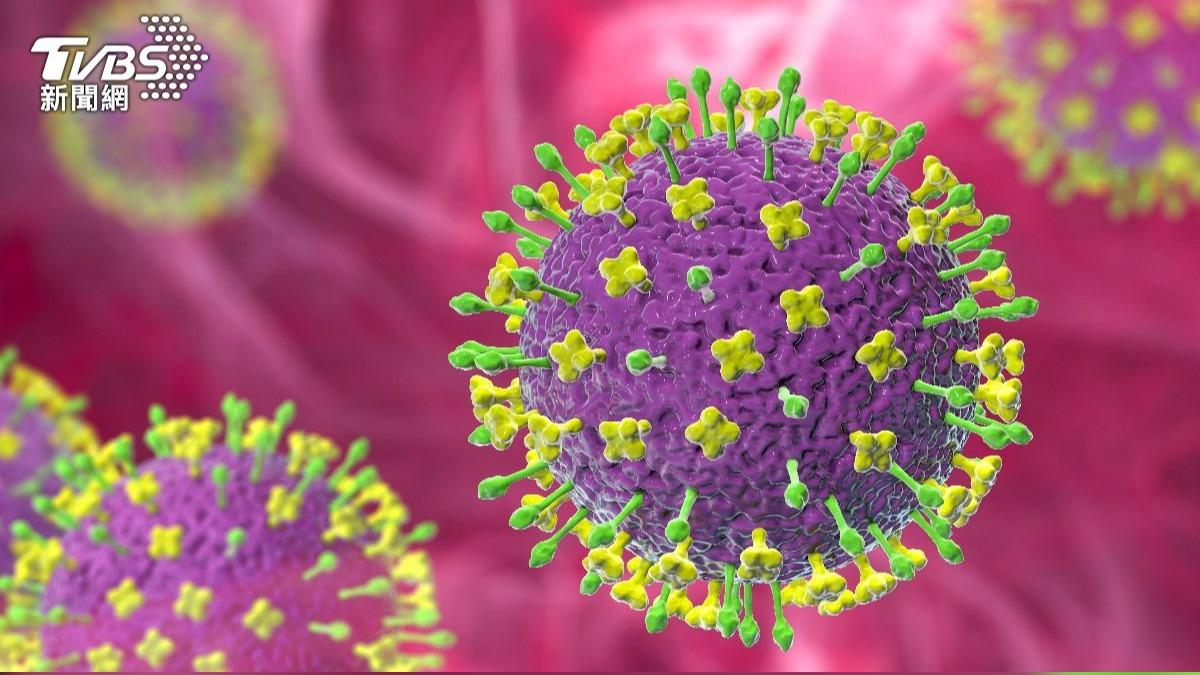
TAIPEI (TVBS News) — Taiwan's Centers for Disease Control (CDC, 疾病管制署) announced on Tuesday (Jan. 27) that Nipah virus infection, a deadly zoonotic disease, will be classified as a Category 5 notifiable infectious disease, Taiwan's highest alert level, starting mid-March. This decision responds to the virus's ongoing outbreaks in specific regions and its high fatality rate, which the World Health Organization (WHO) estimates at 40%-75%.
The virus spreads primarily through animal-to-human transmission, contaminated food, or limited human-to-human contact. First detected in humans in Malaysia in 1998, Singapore experienced an outbreak the following year. Recent outbreaks have concentrated in South Asia, particularly in Bangladesh and India, where the situation has worsened in recent months. By Sunday, West Bengal, India, had reported five confirmed cases, with two in serious condition.
Bangladesh's outbreaks, traditionally seasonal from December to May, are linked to fruit bat activity and humans consuming raw date palm sap. After a case emerged on Bhola Island in August, the outbreaks have become year-round. In India, past outbreaks mainly affected Kerala in the south, but recent signs indicate a spread eastward. The WHO assesses that Bangladesh, India, and neighboring regions remain at risk for ongoing Nipah virus outbreaks, though the global risk level remains low.
Taiwan has developed Nipah virus testing capabilities since 2000 and has monitored it as a key surveillance item since 2018. To date, Taiwan has reported no confirmed human or animal cases. The CDC advises the public to avoid visiting Nipah-affected regions, contact with bats and pigs, and consuming raw date palm sap. For more information, individuals can visit the CDC website or call the epidemic prevention hotline at 1922 for consultation.
The CDC's decision to elevate the Nipah virus to Category 5 status reflects Taiwan's proactive approach to monitoring emerging infectious diseases amid ongoing regional outbreaks in South Asia. The agency continues to urge travelers to affected areas to exercise heightened caution and follow official guidelines to prevent potential exposure to the deadly virus. For more information, individuals can visit the CDC website or call the epidemic prevention hotline at 1922. ◼