



Red envelopes bring prosperity for Lunar New Year
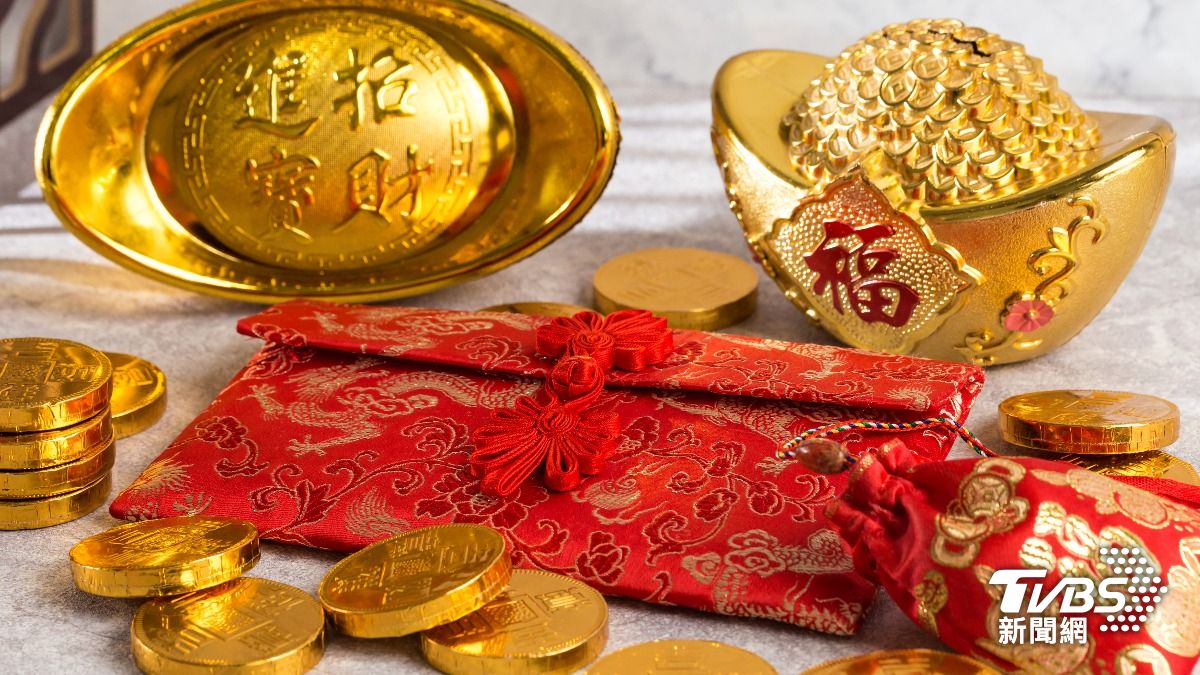
TAIPEI (TVBS News) — As the Lunar New Year approaches, red envelopes are never absent; they are the most popular and the most welcome blessing in local communities, symbolizing prosperity. Elders traditionally give these envelopes, containing "New Year Money" (壓歲錢), called "Ya Sui Quian" in Chinese, to younger family members as a gesture of goodwill. This custom, deeply rooted in Chinese culture, highlights the festive spirit and cultural significance of the color red, which represents joy and happiness.
Red envelopes often appear at celebrations such as weddings and birthdays. The tradition of New Year Money originates from an ancient tale where a monster named "Sui" (祟) would disturb children's sleep at night during the New Year. To ward off this creature, the parents placed coins by the children's bedsides since the monster would be driven away by the shine reflecting from the money. On Lunar New Year's Eve, recipients often place these envelopes under their pillows, symbolizing preventing from evil and drawing wealth.
Cultural norms dictate that the amount of money in the red envelope should be even, with numbers like 2, 6, and 8 being favorable due to their associations with prosperity. Conversely, amounts containing the number 4 are avoided because its pronunciation resembles the word for "death" in Chinese, which is considered inauspicious. Envelopes remain unsealed to allow good fortune to flow continuously for recipients.
In Taiwan, giving red envelopes typically begins once individuals enter the workforce. Siblings who are much older and have started working often give envelopes to younger, non-working ones, while children who have started working give a red envelope containing New Year's Money to their parents. Although the digitalization of the banking system has enabled the delivery of digital red envelopes via phone, which has gained popularity in recent years in China, people in Taiwan prefer to give physical red envelopes.
New banknotes and fresh envelopes symbolize renewal and the beginning of a prosperous year. Many people visit the Taiwan Bank (台灣銀行), the only bank commissioned by the Central Bank (CBC, 央行) to issue New Taiwan Dollar, before the New Year to exchange currency for the new version. By doing this, people can put the newly issued money in the red envelopes. Used envelopes are typically not reused; some choose to burn them at temples as a means of disposal. Interestingly, red envelopes often become the artistic spotlight because people design symbols or graphics that align the zodiac of the year with the sign of blessing.
Red envelopes have extended to the platform where creativity integrates modern art and traditions. The exchange of red envelopes remains a cherished tradition, embodying the spirit of renewal and familial goodwill. As the celebrations draw near, this practice continues to thrive, reflecting the enduring cultural values and customs that define the Lunar New Year festivities.