



Why everyone wears red during Lunar New Year celebrations
TAIPEI (TVBS News) — The Lunar New Year (春節), the most important Chinese festival of the year, on Feb. 17, is when Chinese communities worldwide, including Chinese and Taiwanese, gather with family to celebrate the New Year, sharing dishes and joy. This festival, Spring Festival in English, was established during the Republic of China (ROC, 中華民國) era under former President Yuan Shikai (袁世凱) and marks the New Year's Day in the Chinese traditional calendar, also called the lunar calendar.
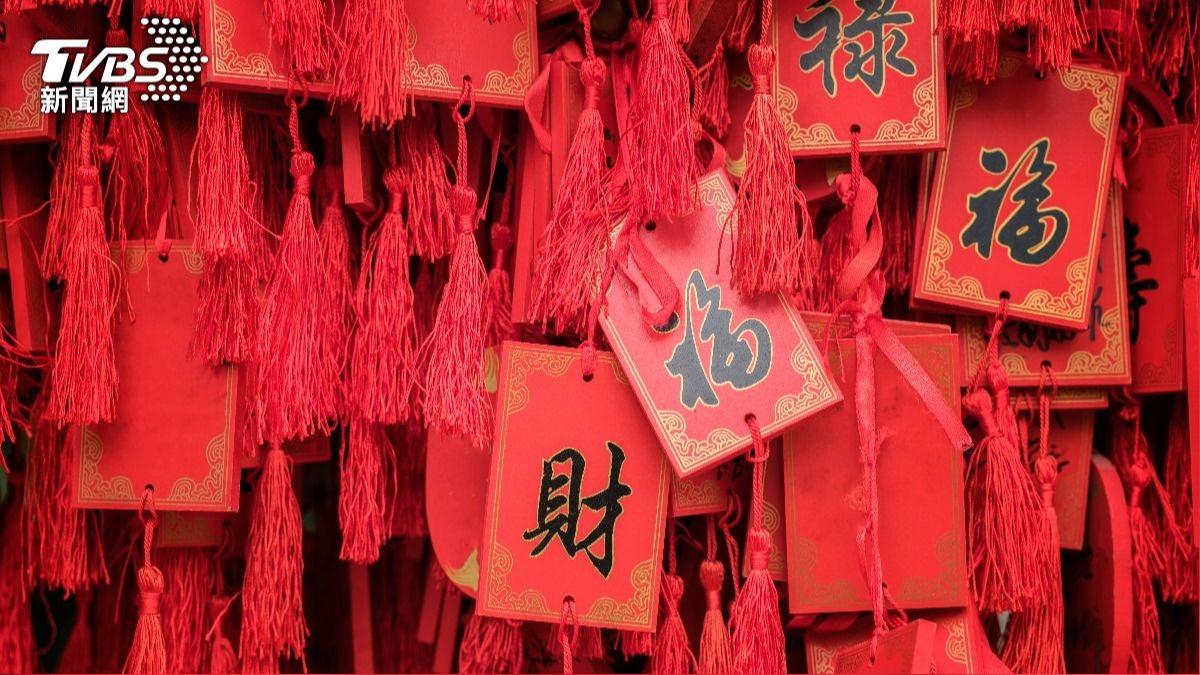
The Lunar New Year's origins could date back thousands of years, in which ancient rituals were held to welcome spring and encourage agricultural productivity at the end of the year. Legend has it that a mythical beast known as "Nian" (年), meaning 'Year' in Chinese, would emerge at the year's end, but was afraid of loud noises, bright lights, and the color red. So ancient Chinese would dress in red and make noise with firecrackers to repel the monster. These festival's customs, like wearing red, setting off fireworks, and displaying red couplets (春聯), have become synonymous with the festival.
Over time, the celebration at the year's end has become a family reunion, the expulsion of bad luck, and the embracing of new beginnings. The festival's core activities, such as family gatherings, ancestor worship, and festive meals, symbolize renewal and unity. All the elements involved in the Lunar Year can hardly detach from the expectation of a good fortune and prosperity of the family. Today, the custom continues to thrive, with families adorning their homes with red couplets bearing messages of good fortune and protection against the devil. The New Year's Eve reunion dinner remains a highlight, bringing families together to celebrate kinship and solidarity.
The Lunar New Year received international recognition when the United Nations Educational, Scientific, and Cultural Organization (UNESCO) added it to the Intangible Cultural Heritage list in 2024. As the Chinese communities across the globe prepare for the Lunar New Year on Feb. 17, 2026, this longstanding festival serves as a testament to its rich heritage and themes of renewal and togetherness. This celebration has adapted to contemporary life, regardless of how the world have been altered into another dimerntion of the living landscape, the glass of wine replaced the phone in the hands, the focus of the eyes shifted from screen to the lovely ones, black suit with ties absent but brand new shiny red shirt, the warming smile of the happiness shared through face to face.