



Why Taiwan families MUST have hot pot on this special night
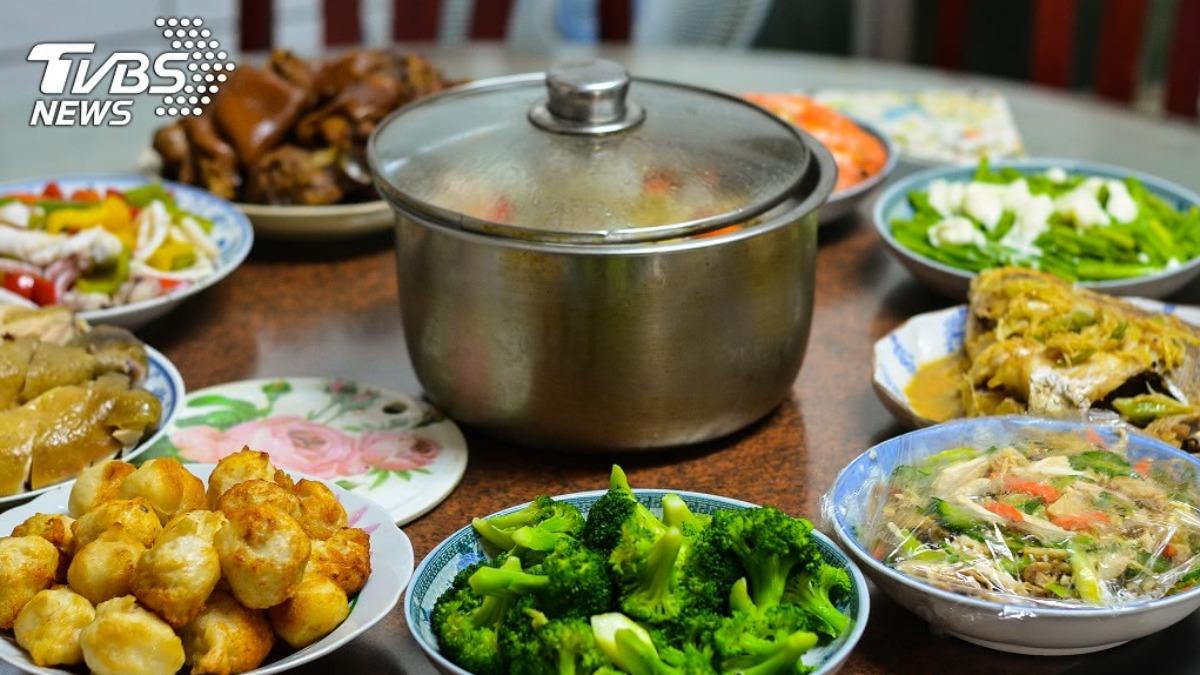
TAIPEI (TVBS News) — Taiwan families will gather for "Weilu" (圍爐), the traditional Lunar New Year's Eve dinner, on Feb. 16, continuing a custom that symbolizes familial unity and prosperity dating back over 1,500 years. The tradition has evolved from gathering around a fire pit to enjoying a meal together, often featuring a hot pot at the center of the table. Families now celebrate at home or in restaurants, reflecting the modern interpretation of togetherness ahead of the Year of the Horse.
Historically, families placed a burning stove under the dining table, scattering coins around it to symbolize prosperity. Modern adaptations have replaced the stove with a New Year's Eve meal often featuring hot pot, and although coins are no longer part of the ritual, wishes for unity and prosperity remain unchanged. Participants traditionally add a bowl of rice to their Weilu meal, symbolizing blessings and longevity for the coming year.
Hot pot became a staple in Taiwanese New Year celebrations after the post-Chinese Civil War period, when many Chinese from various provinces in China, officially the People's Republic of China, immigrated to Taiwan, influencing the island's culinary culture. The development of frozen foods in the 1970s and the rise of hot pot restaurants in the 1980s further cemented its place in festive tradition. Key dishes carry symbolic meanings: whole chicken represents good fortune, fish signifies abundance, and Buddha Jumps Over the Wall (佛跳牆), a traditional Fujian dish, symbolizes blessings and longevity.
Other traditional dishes include "Long greens" (長年菜) for longevity, mullet roe for fertility, and Braised Pork Balls, known as "Lion's head" in Chinese (獅子頭), for happiness and prosperity. Radish cake brings good luck, sticky rice cake symbolizes progress, and red turtle cakes represent longevity and good fortune. These dishes hold deep cultural significance as families continue adapting the Weilu tradition, where the essence of togetherness and prosperity endures across generations in Taiwan. ◼