



What should you eat on the birthday of the Gods of Wealth
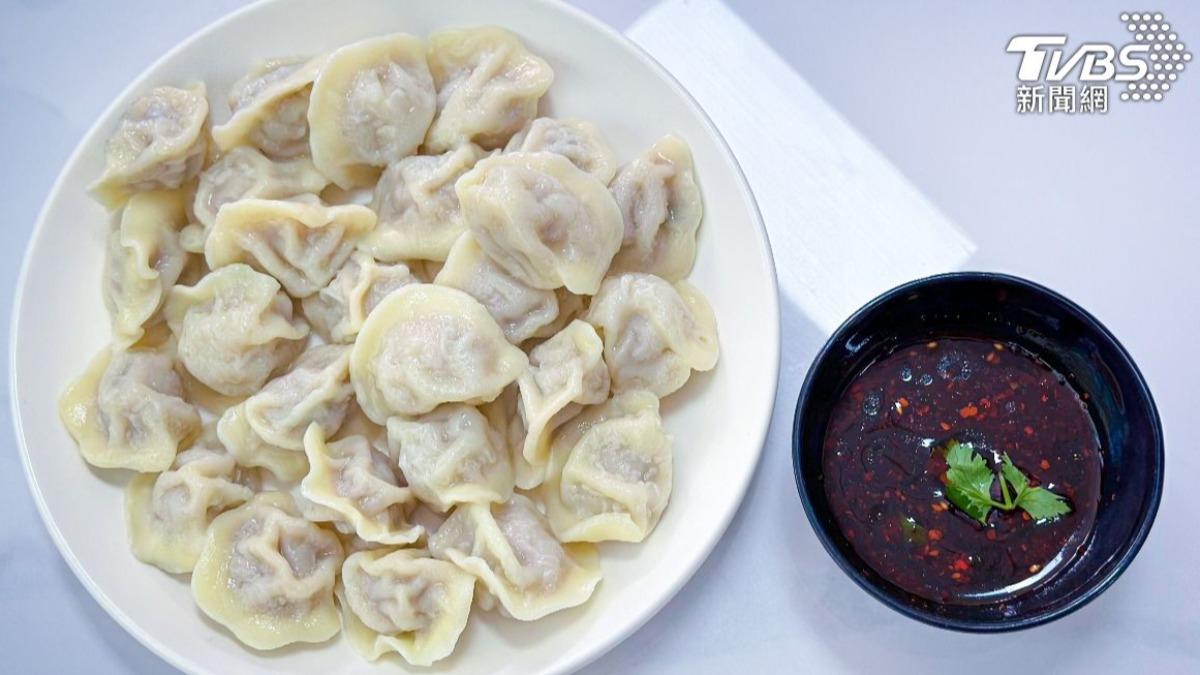
TAIPEI (TVBS News) — The fifth day of the Lunar New Year (Saturday, Feb. 21) is the birthday of the Gods of Wealth; Taiwanese companies and individuals are performing rituals to honor the deity and seek prosperity for the upcoming year. Dumplings, in particular, hold a special meaning for that day as they represent fortune and metaphorically seal the mouths of malicious individuals, preventing the spread of harmful rumors.
Dumplings play a central role in these festivities. Their shape resembles ancient currency known as Yuanbao (元寶), which symbolizes wealth in modern society. Consuming dumplings on this day signifies the return of the Gods of Wealth to Earth. Some regions add fillings like candied fruits, brown sugar, or coins to dumplings, symbolizing happiness and prosperity. However, frying rice cakes is discouraged, as burning them symbolizes poverty.
Meanwhile, offerings during these celebrations include fruits like bananas, plums, pears, pineapples, and persimmons, all believed to enhance prosperity and fortune. However, certain items are considered inauspicious and should be avoided. Guavas, wax apples, duck eggs, century eggs, porridge, and sugar apples are on the list of taboo offerings due to their negative connotations, such as financial setbacks and disrespect to deities.
The day also involves five traditional customs: welcoming the Gods of Wealth, expelling poverty, cleaning the house, eating dumplings, and reopening businesses. These practices aim to attract good fortune and ensure a successful year ahead. Folklore expert recommendations emphasize the importance of opening doors and windows at the earliest auspicious time during the celebration.
This practice allows the Gods of Wealth to enter and bring fortune. Participants also burn incense, offer sacrifices, light candles, burn gold paper, and set off firecrackers to enhance their financial luck. As the celebrations continue, people remain mindful of these traditions to ensure a prosperous year. By adhering to these customs and avoiding inauspicious offerings, they hope to secure the favor of the Gods of Wealth.