



Taiwan’s military village cuisine preserves wartime legacy
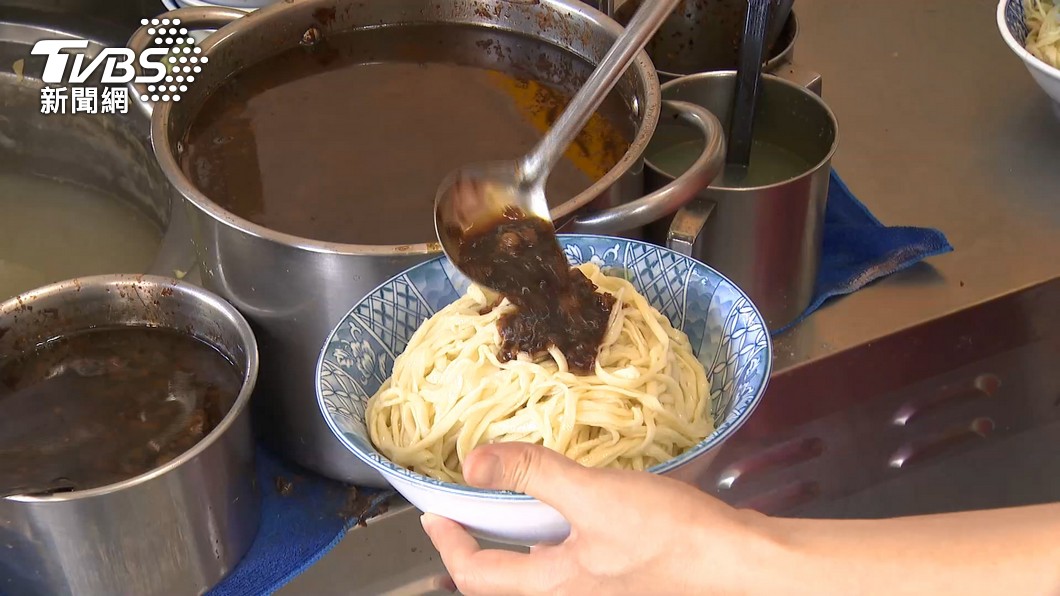
TAIPEI (TVBS News) — Taiwan's military dependents' village cuisine reflects a unique culinary heritage born from the post-1949 migration of over a million mainland Chinese families fleeing the Chinese Civil War. These migrants established more than 300 military dependents' villages, known in Mandarin as juancun (眷村), residential communities built for Nationalist soldiers and their families. This fusion of regional Chinese cuisines with local Taiwanese ingredients reflects the island's diverse gastronomic heritage.
Military dependents' village cuisine emerged as a creative adaptation of China's eight major culinary traditions, including influences from Hubei, Northeast China, Zhejiang, Shanghai, and Sichuan. Residents combined these diverse flavors, characterized by sweet, salty, spicy, and sour elements, into inventive, home-style dishes that became a collective culinary nostalgia. This adaptation reflects the villagers' resilience and ingenuity amid material shortages and economic challenges of the era.
As intermarriage between mainland Chinese soldiers and local Taiwanese increased, the cuisine began incorporating local culinary elements. The scarcity of resources and economic constraints prompted villagers to simplify and localize their cooking methods and ingredients, distinguishing their cuisine from traditional Chinese styles. Military dependents' village cuisine emphasized satisfying, hearty meals using simple ingredients, such as vegetables and tofu.
Northern-style wheat-based foods became staples due to suitable cultivation conditions in Taiwan. The spread of northern-style noodle dishes, such as beef noodles, across Taiwan highlights the popularity of military dependents' village cuisine. These dishes, along with vegetable rice, dumplings, and pan-fried chive pockets, have become renowned for their diverse flavors and remain popular across the island today.
Regional markets further illustrate this culinary evolution, with Shandong migrants in Kaohsiung's Zuoying (左營) district, a major city in southern Taiwan, focusing on noodle dishes. Sichuan and Hunan flavors dominate Tainan's Rende Er Kong (仁德二空) area, in the southern city of Tainan, offering authentic Hunan cured meats and Sichuan chili sauces. These regional variations demonstrate how military dependents' village cuisine adapted to local conditions while preserving authentic Chinese flavors.
Braised dishes, a common feature in military dependents' village cuisine, use red and white braising techniques. The white braising method, developed from the hardships faced by military families, relies solely on salt and spices, resulting in a lighter, more refreshing taste. This technique reflects the resourcefulness of village cooks who created flavorful dishes despite limited ingredients and economic constraints during Taiwan's post-war period.
Despite the transformation of many old military dependents' villages into high-rise buildings, the culinary heritage of juancun cai preserves historical memories. Juancun cai, the Mandarin term for military dependents' village cuisine, maintains the cultural identity of these communities. The enduring popularity of this culinary legacy underscores its role in Taiwan's cultural tapestry, offering a taste of history and resilience. ◼