



Taiwan researchers identify key protein in tracheal repair
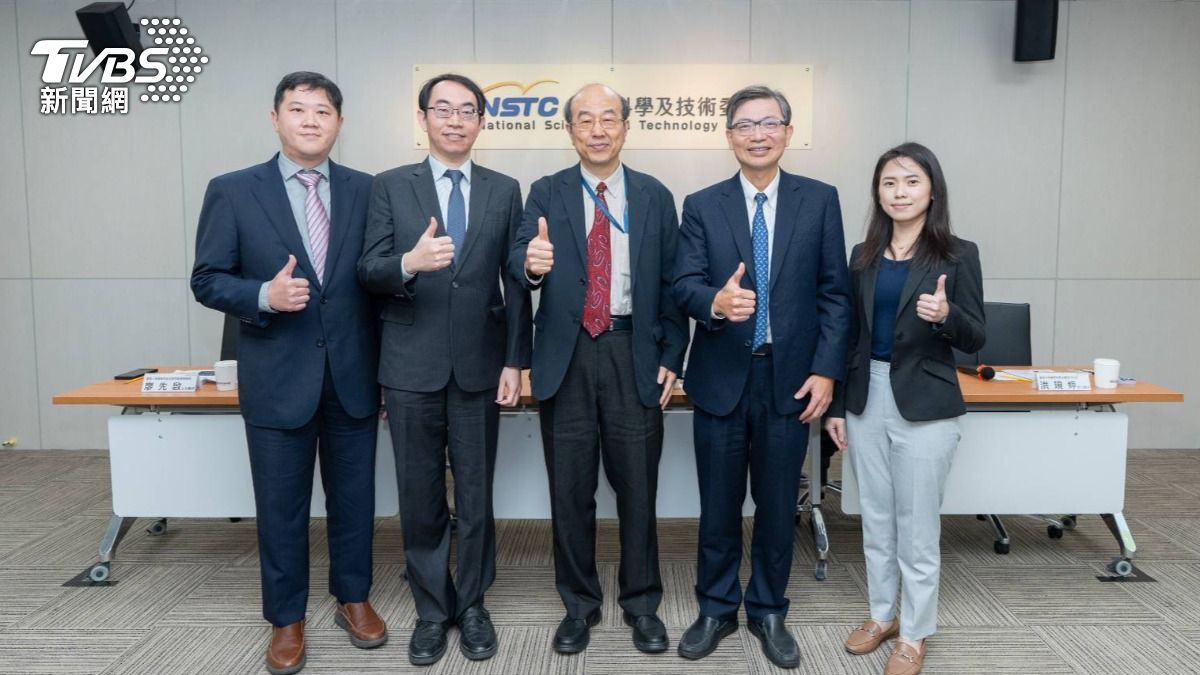
TAIPEI (TVBS News) — Taiwanese researchers decoded the biological mechanism enabling cryopreserved donated aortas to regenerate cartilage during tracheal reconstruction, the National Science and Technology Council (國家科學及技術委員會) announced Wednesday (Feb. 4). The breakthrough could transform one of the world's most challenging surgical procedures. Tracheal surgery is considered extremely difficult because the organ's rigidity and position spanning from the neck to chest make reconnection impossible when damage is extensive.
The research team at National Taiwan University Hospital (NTUH, 國立臺灣大學醫學院附設醫院), led by Jin-Shing Chen (陳晉興), a distinguished professor and director of the Department of Surgery, discovered that transplanted aortas function as active regenerative scaffolds rather than passive patches. The grafts guide the recipient's own cartilage progenitor cells to migrate and differentiate into new tracheal cartilage, according to findings published in the journal Advanced Healthcare Materials.
The team identified three core elements enabling regeneration. First, good biocompatibility with early blood vessel formation provides necessary nutrients for tissue development. Second, a key signaling protein, FGF-2 (成纖維生長因子2), preserved in the aortic graft, attracts cartilage progenitor cells and promotes their differentiation. Third, the extracellular matrix provides a favorable environment for cell adhesion and migration, supporting the regenerative process.
The new cartilage originates from the recipient's cells, not from residual donor cells in the cryopreserved aorta, eliminating rejection concerns. This finding supports the concept that transplanted aortas can induce host regeneration rather than simply providing donor tissue. The discovery addresses a key challenge in transplant medicine regarding tissue compatibility and represents a significant advancement in regenerative approaches for airway reconstruction.
The hospital completed Asia's first human clinical trial using this technique in 2021 and has since performed six surgeries. The first patient, a woman in her 40s, suffered severe tracheal stenosis from tuberculosis complications. She required ECMO (extracorporeal membrane oxygenation) resuscitation before surgery and has returned to work nearly five years later, Chen said. Outcomes for the other five patients were not disclosed.
Taiwan became the second country, after France, to pursue this research into aortic-induced tracheal cartilage regeneration. French researchers published 13 successful cases in 2018, later expanding to 50 cases with what Chen described as "relatively low" mortality rates; approximately one-third of patients had their stents removed. The French researchers' names and institution were not identified in the announcement.
Tracheal surgery remains extremely difficult because the organ's rigidity and position spanning from the neck to chest make reconnection impossible when damage is extensive, Chen said. Previous approaches using synthetic materials such as metal and silicone or 3D-printed artificial tracheas with stem cells failed to achieve long-term success due to biocompatibility challenges. The research not only fills a knowledge gap in clinical application but also demonstrates high medical translational value.
Patients still require temporary stent placement during the transition period before complete cartilage regeneration, which may cause complications such as granulation tissue proliferation. The team said future research will focus on accelerating cartilage growth to reduce this transition period. The findings could help optimize surgical techniques and establish quality assessment standards for donated aortic materials. ◼