



Why Taiwan bosses hand out cash on the first day of work
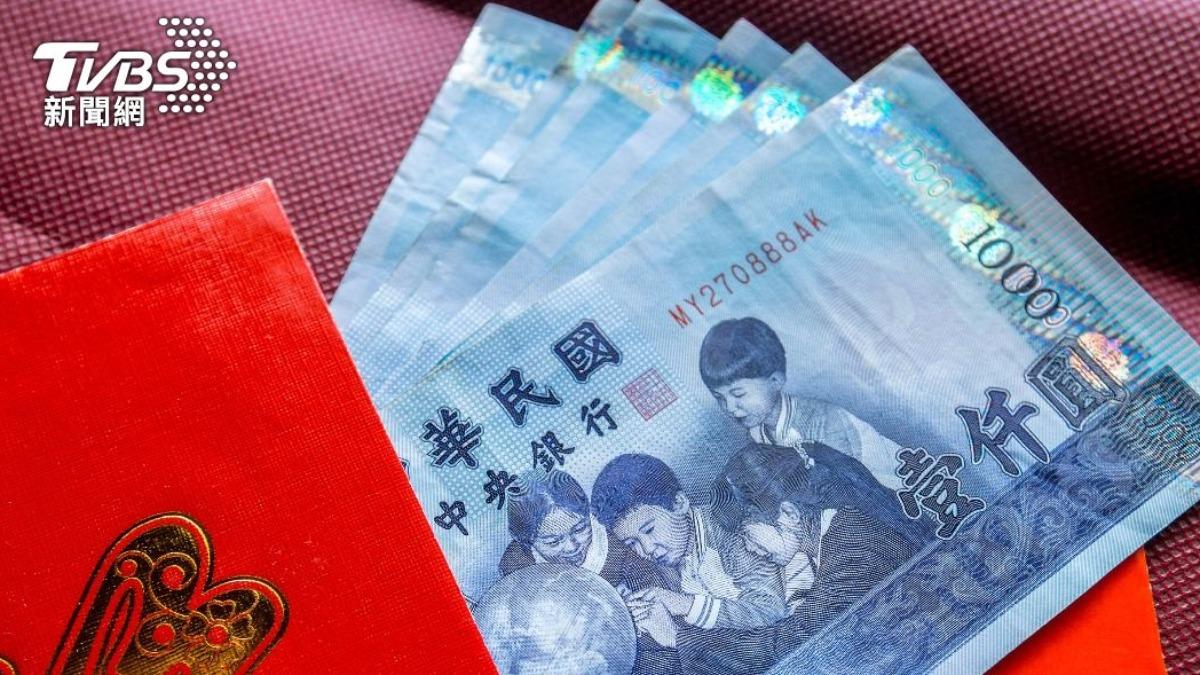
TAIPEI (TVBS News) — Businesses across Taiwan distributed "Red Envelopes for the First Working Day" (開工紅包) on Saturday (Feb. 21), marking the traditional return to work on the fifth day of the Lunar New Year. The custom symbolizes the lifting of New Year's taboos and the start of a prosperous work year. Employers led staff in prayers for a successful year, followed by the distribution of envelopes, a tradition rooted in Southeast China's coastal regions.
This tradition spread from Guangdong province in China to Taiwan, Hong Kong, Singapore, and Malaysia, becoming an integral part of Lunar New Year celebrations across the region. The red envelopes, filled with varying amounts of money, typically range from a few hundred to over a thousand New Taiwan dollars. Red banknotes are particularly popular as they represent good fortune and happiness in Chinese culture. Employers distribute these envelopes to seek divine favor and motivate employees for the year ahead.
The act of generosity serves as a morale booster, inspiring workers to pursue greater achievements in the coming year. Most companies distribute the envelopes on the first day back after the Lunar New Year holiday, and recipients traditionally keep them for at least three days before using the money. Etiquette for Red Envelopes for the First Working Day includes leaving the envelope unsealed for reuse, not spending the money immediately, and avoiding opening it in front of elders. The bills inside should remain crisp and flat to symbolize fresh beginnings.
Folk experts suggest placing the envelope in a wallet with grains — red beans, green beans, black beans, yellow beans, and white rice — to symbolize a bountiful harvest. Employees typically store the envelope in a desk drawer or under a keyboard to attract good luck. The funds can be used to purchase office supplies, thereby enhancing both financial and career prospects. As the year progresses, individuals often deposit the money into a bank account, treating it as "wealth accumulation" to attract prosperity. The tradition underscores the importance of cultural practices in fostering workplace harmony and success. ◼ (At time of reporting, US$1 equals approximately NT$31.68)