



Middle East conflict disrupts Taiwan medical supply chains
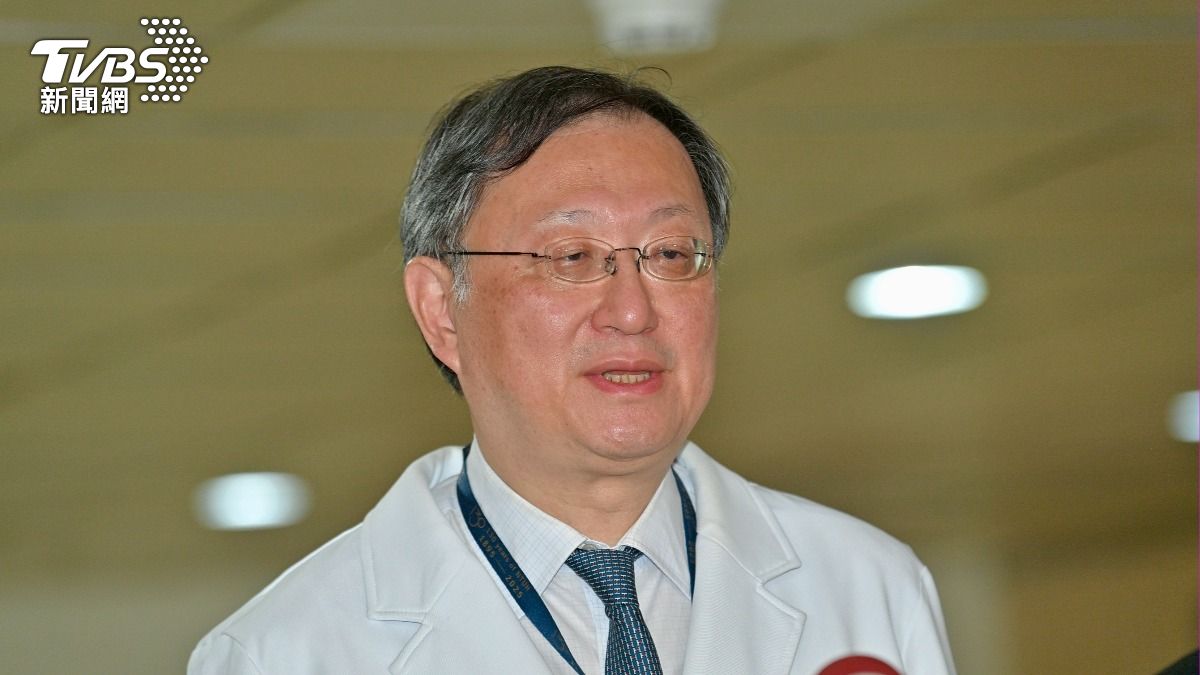
TAIPEI (TVBS News) — National Taiwan University Hospital (台大醫院) activated a rapid response mechanism Monday (March 23) after Middle East conflict disrupted medical supply chains, with Hospital President Yu Chong-jen (余忠仁) announcing new vendor contracts to secure alternatives. Major Taiwan medical institutions have triggered emergency protocols to ensure uninterrupted patient care as the conflict creates uncertainty over delivery times and costs for essential supplies.
Yu addressed the supply crisis during the groundbreaking ceremony for the National Taiwan University Hospital Linsen building (林森大樓新建工程), emphasizing the hospital's proactive approach to securing medical materials. He noted that past challenges during the COVID-19 pandemic, including increased costs and delayed deliveries, suggest similar fluctuations in delivery times and expenses may occur as the Middle East conflict continues.
Yu highlighted uncertainty surrounding the war's broader impact, which extends beyond medical supplies to include energy concerns such as electricity rates affecting hospital operations. "All hospital managers can do now is minimize the impact of external factors such as wars," Yu stated, acknowledging these are national-level issues beyond individual hospital control. The hospital president stressed the need for coordinated responses across Taiwan's healthcare sector.
Hung Tzu-jen (洪子仁), president of the Taiwan College of Healthcare Executives and vice president of Shin Kong Hospital (新光醫院), confirmed major medical institutions have activated emergency response mechanisms to ensure uninterrupted patient care. Shin Kong Hospital has stockpiled more than one month's supply of plastic products in off-site warehouses to address short-term market fluctuations and maintain normal medical operations across its facilities.
Taiwan hospitals continue adapting strategies to mitigate the impact of global events on healthcare delivery as the Middle East situation evolves and supply chain disruptions persist. Healthcare officials say the coordinated emergency response across major medical institutions demonstrates Taiwan's medical sector resilience in safeguarding public health amid international uncertainties and ongoing geopolitical tensions. ◼