



Central Bank chief urges caution as Taiwan stocks tumble
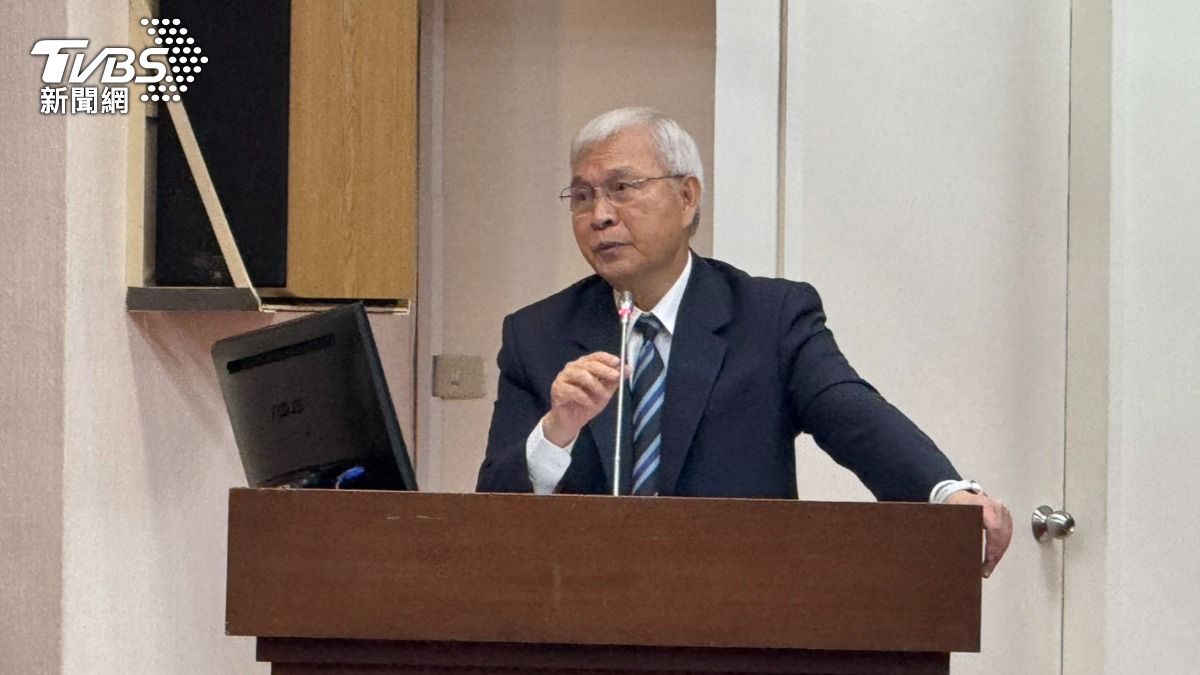
TAIPEI (TVBS News) — The Taiwan Stock Exchange dropped more than 700 points on Monday (March 30) amid the ongoing Middle East conflict, falling below 23,000 as foreign investors withdrew funds. Central Bank Governor Yang Chin-long (楊金龍) told the Legislative Yuan, Taiwan's parliament, that the stock market fluctuations are normal and urged investors to exercise caution. The turbulence created a cautious market atmosphere.
Yang said the foreign capital withdrawal remains within the Central Bank's controllable range and that exchange rate adjustments are normal. He said if oil prices surge to US$100 (around NT$3,197) per barrel over the year, the Consumer Price Index (CPI) could rise to 1.9%, prompting the central bank to adopt a tight monetary policy. In March, the Central Bank revised the year's CPI forecast to 1.8%, based on an average annual oil price of US$85 (around NT$2,717) per barrel.
Analyst Li Yung-nien (李永年) projected that this year's CPI could exceed 1.8%, potentially reaching 2% or even 2.2%. The Central Bank reported foreign exchange reserves reached US$605.49 billion (around NT$19.4 trillion) by the end of February, with the total exceeding US$700 billion (around NT$22.4 trillion) to stabilize the exchange rate. Officials stressed the need to monitor the duration, intensity, and scope of the conflict, with plans to reassess the economic situation in June.
Separately, the National Development Council (NDC, 國發會) reported Monday that Taiwan's business indicators in February continued to show a red light, with the comprehensive score rising to 40, indicating a stable domestic economy. The council noted that industrial and service sector overtime hours turned red, adding two points, while the manufacturing business climate test point shifted to a yellow-blue light, decreasing by one point. ◼ (At time of reporting, US$1 equals approximately NT$31.97)