



2025 Global Semiconductor Equipment Sales Hit $135 Billion
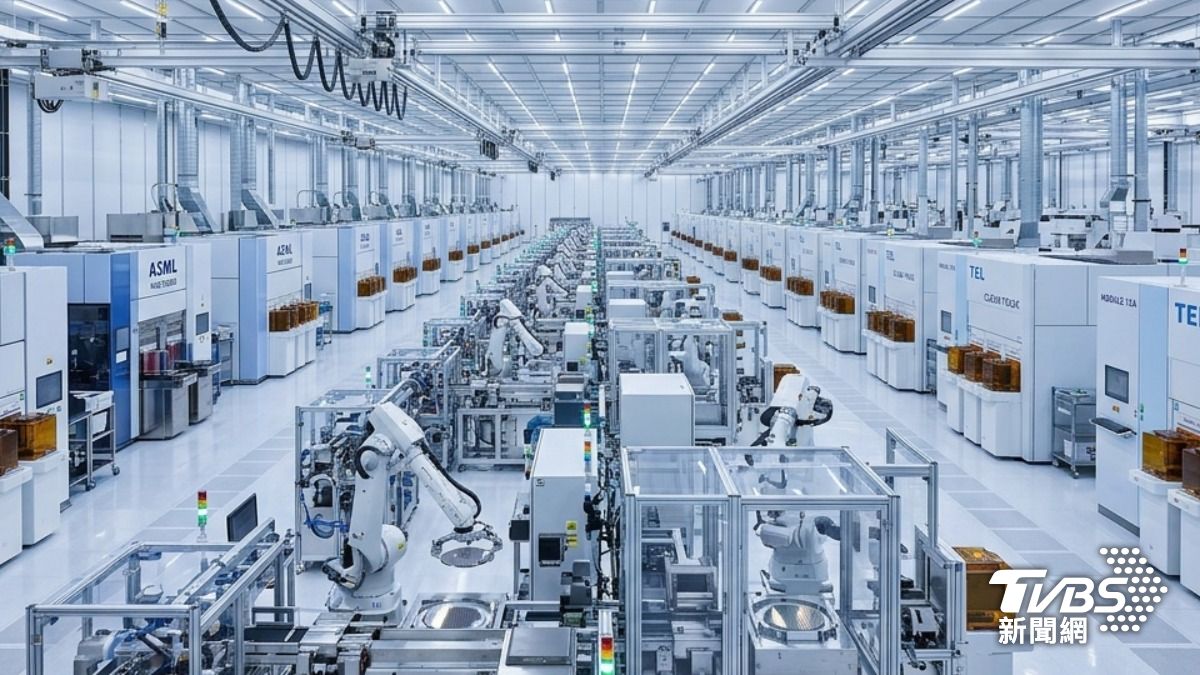
Global semiconductor manufacturing equipment sales reached a record US$135.1 billion in 2025, up 15% from US$117.1 billion in 2024, according to the latest Worldwide Semiconductor Equipment Market Statistics (WWSEMS) report published by SEMI. The growth was driven by sustained expansion in advanced logic and memory capacity, underpinned by accelerating AI-related demand.
Front-end wafer processing equipment sales grew 12% year on year in 2025, with other front-end equipment categories rising 13%. The increases reflected ongoing investment in advanced logic and memory nodes, fueled by AI workloads and the continued push toward smaller process geometries and new device architectures.
The back-end segment delivered the most dramatic gains. Test equipment sales jumped 55% year on year as AI devices and high-bandwidth memory (HBM) drove higher performance requirements and more intensive testing protocols. Assembly and packaging equipment sales rose 21%, propelled by the rapid adoption of advanced packaging technologies now central to AI chip production.
Semiconductor equipment spending in 2025 remained overwhelmingly concentrated in Asia. China, Taiwan, and South Korea accounted for 79% of global equipment purchases, up from 74% in 2024.
China led all markets with US$49.3 billion in equipment spending, essentially flat year on year at minus 0.5%. The near-record figure underscored the continued commitment of domestic chipmakers to expanding mature-node capacity and selectively investing in more advanced production lines.
Taiwan posted the most striking growth of any region, with equipment spending surging 90% to a record US$31.5 billion. The jump was driven by massive investment in AI and high-performance computing capacity, reflecting the island's central role in manufacturing the world's most advanced chips.
South Korea recorded US$25.8 billion in equipment spending, a 26% increase, supported by strong and sustained investment in HBM and DRAM production.
Japan grew 22% to US$9.5 billion as domestic advanced-process investments continued to ramp. North America declined 20% to US$10.9 billion as earlier expansion cycles wound down. Europe fell 41% to US$2.9 billion, marking a second consecutive year of decline amid weak automotive and industrial demand. The rest of the world grew 25% to US$5.2 billion, signaling rising activity in emerging semiconductor manufacturing markets.
SEMI President of Taiwan and Chief Marketing Officer Clark Tsao noted that the record result highlights an industry expanding capacity at unprecedented scale and speed in response to AI-driven demand across advanced logic, advanced memory, and high-bandwidth architectures. From fab investment to the rapid development of advanced packaging and testing, the global semiconductor ecosystem is simultaneously scaling capacity and technical capability to support the next wave of innovation.
The 2025 equipment data confirms several trends shaping the semiconductor landscape. AI remains the dominant driver of capital spending, with its influence now extending well beyond leading-edge logic into memory, packaging, and test. Taiwan's 90% spending increase is particularly notable, reflecting the concentration of advanced foundry and packaging investment on the island. The 55% surge in test equipment spending signals that back-end complexity is rising in lockstep with front-end advances, a theme that will only intensify as CoWoS, fan-out, and 3D packaging volumes continue to scale.
The WWSEMS report compiles data from member companies of SEMI and SEAJ (Semiconductor Equipment Association of Japan), providing monthly global statistics on semiconductor equipment orders and shipments.