



AI demand triggers global memory shortage, report warns
TAIPEI (TVBS News) — A surge in artificial intelligence and data center demand has triggered a "structural reallocation" in the global memory supply, the Global Electronics Association (全球電子協會) said Monday (April 20). This shift has intensified pressure on manufacturers, extending lead times and driving costs to levels that threaten to redefine the accessibility of personal technology in Taiwan.
The report indicated that the global memory market has shifted from short-term cycles to a long-term reorganization driven by AI. Memory, a fundamental component in electronics manufacturing, is crucial for products ranging from smartphones and laptops to automobiles, industrial systems and medical devices. Factories are no longer producing memory components for the masses, instead moving toward high-margin AI production.
Under Taiwan's 2024 Five Trusted Industry Sectors (五大信賴產業方案) initiative, the island has solidified its position as a global AI powerhouse. This prestige comes with a local cost. Micron, Taiwan's largest foreign employer, confirmed that its 2026 capacity for High-Bandwidth Memory (HBM), the specialized chips needed for AI, is already 100% sold out.
To meet this demand, manufacturers are increasing HBM chip production. One HBM chip requires roughly three times the wafer capacity of a standard RAM chip, meaning the more Taiwan produces for Silicon Valley's data centers, the less it can produce for its own citizens' laptops. The tradeoff has created a bottleneck affecting consumer electronics across the island.
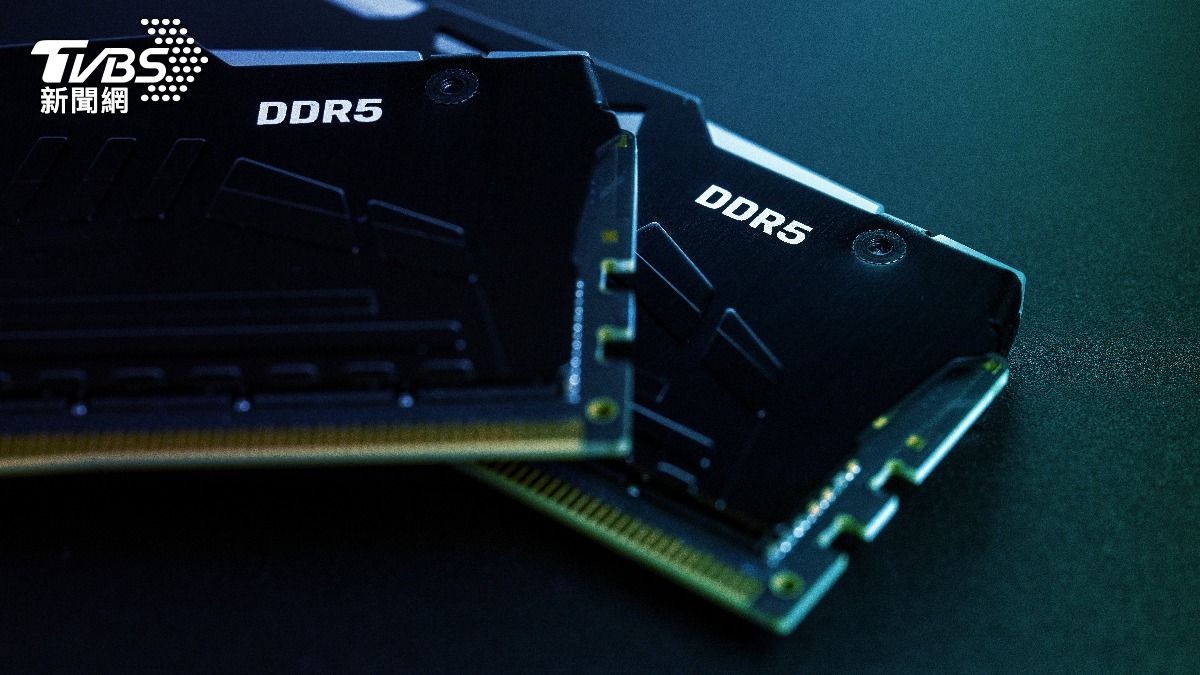
The impact on the local market has been severe. Transcend (創見) Chairman Shu Chung-won (束崇萬) said that despite industry rumors of a cool-down, actual transactions show no easing. Transcend's DDR5 prices surged 40% to 50% in the second quarter of 2026 alone, with procurement demands remaining largely unmet, he added.
Even affordable DDR4 memory used in family PCs and student laptops is being phased out. Manufacturers including Samsung and SK Hynix are shifting capacity to AI production. This has affected the local laptop industry, where repairing an old computer is becoming as expensive as buying a new one.
ASUS (華碩) warned that PC prices in Taiwan will climb 25% to 30% this quarter, driven by memory price increases and CPU shortages. A standard 32GB memory module that cost NT$3,000 (US$95) last year now approaches NT$20,000 (US$635). The price surge represents a more than sixfold increase in just 12 months.
As the island cements its status as a global AI hub, a new digital divide is emerging at home. The surging prices fuel Taiwan's GDP and industrial growth but raise concerns about accessibility. If basic tools for education and work become luxury items, Taiwan may find itself in a paradox: an island that builds the world's most advanced technology but whose people can no longer afford to use it. ◼ (At time of reporting, US$1 equals approximately NT$31.47)