


Tainan’s Leap from Historic Capital to Global Chip Hub
Once Taiwan's historic seat of government, the city of Tainan has undergone a dramatic transformation from a sleepy backwater of narrow old streets and vibrant temples into a thriving technology hub anchored by the Southern Taiwan Science Park (STSP). A record-shattering 2025, new advanced-process fab announcements, and a fast-tracked expansion at Shalun have cemented Tainan's place at the heart of the global semiconductor supply chain.
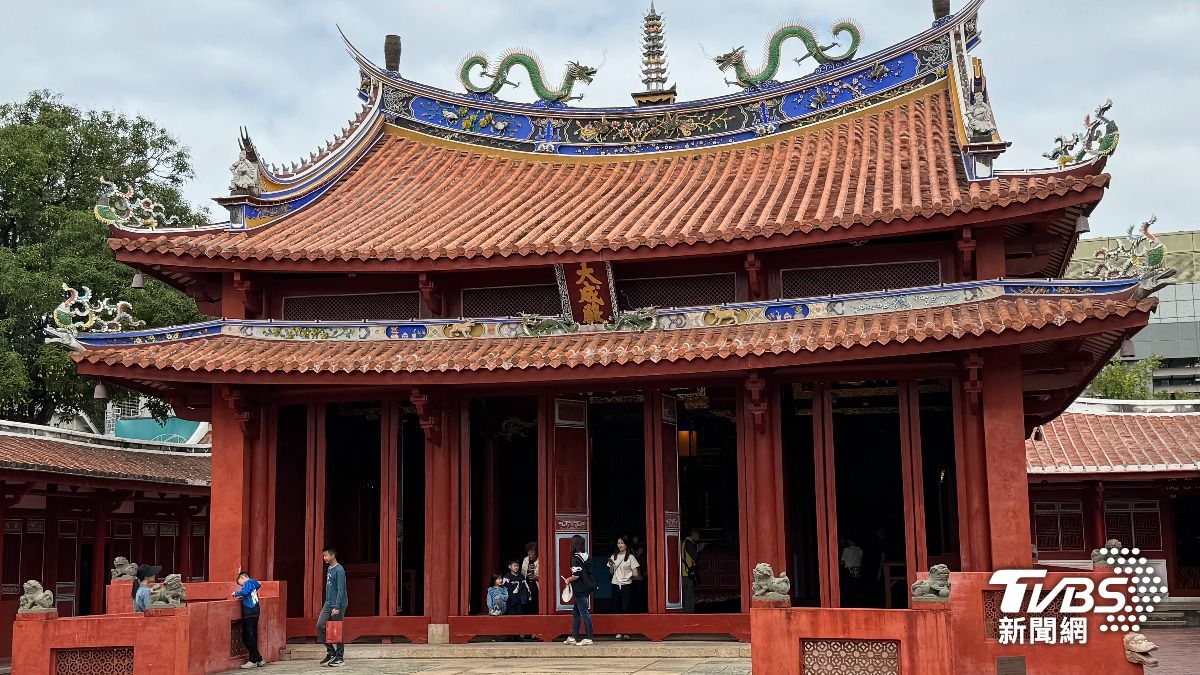
Founded in the early 17th century, Tainan first rose as an international trading port under Dutch rule. The construction of Anping Old Fort (Fort Zeelandia) in 1624 established the city as a key commercial outpost. After Koxinga expelled the Dutch in 1661, Tainan became the capital of the Kingdom of Tungning and later served as the administrative center under the Qing Dynasty. As Taiwan’s oldest city, it boasts a rich array of historic temples, shrines, and centuries-old neighborhoods, earning its reputation as “the cradle of Taiwanese culture.”
Tainan’s national prominence faded in the early 20th century when the capital moved north to Taipei during Japanese colonial rule. While it remained a center for trade, education, and agriculture, the city’s historical grandeur was eclipsed by the rapid economic boom in northern Taiwan. The emergence of the tech industry around Hsinchu and Taipei further pulled investment and talent away from the south.
That trajectory shifted decisively in the late 1990s with the establishment of the STSP. Created under national policies to promote regional development and economic diversification, the park quickly attracted major domestic and international companies in semiconductors, optoelectronics, precision machinery, and biotechnology.
Government and industry investments built a robust high-tech ecosystem that soon rivaled Taiwan’s northern clusters. By the mid-2020s, the STSP’s Tainan campus had become home to TSMC’s Fab 14 and the expansive eight-phase Fab 18 complex, along with UMC, ASE Group, and dozens of other flagship firms. Semiconductors now account for roughly half of the park’s employment, driven largely by Fab 18’s production of cutting-edge 3nm, 4nm, and 5nm chips.
The scale of Tainan’s transformation became unmistakable in 2025. The STSP recorded full-year revenue of NT$2.97 trillion (US$93.5 billion), a 34.26% year-on-year surge that made it Taiwan’s fastest-growing major science park. The AI boom and surging demand for advanced semiconductor processes fueled most of the gains, with the mature Tainan campus contributing the lion’s share.
The city is poised for further growth as several landmark projects move into high gear.
The most prominent is TSMC's planned Giga-Fab at the Shalun site. The company has requested land for both 1.4nm and 1nm production, with an initial cluster of three fabs (P1–P3) targeting 1.4nm output and three more for 1nm. Construction is advancing on the Tainan campus, aiming for completion in 2028. Authorities have also fast-tracked Phase IV of the Southern Taiwan Shalun Eco-Scientific Park, a 531-hectare development with projected full-build revenue of up to NT$2.2 trillion (US$68.8 billion) and the potential to create around 35,000 jobs.
Advanced packaging is key pillar of Tainan’s growth. TSMC’s expanding portfolio of packaging facilities is reshaping the local supplier ecosystem. Equipment makers such as Gudeng and Ebara Precision Machinery Taiwan have committed to new plants in STSP Phase III, while materials suppliers and optoelectronics firms continue to expand. Biotech and precision-machinery sectors also delivered solid gains of 11.73% and 24.73% respectively across the park network in 2025, adding welcome diversity to what was once a semiconductor-dominated story.
This unprecedented wave of technology investment has infused Tainan with fresh urban energy. High-speed rail links, modern business districts, talent incubators, and eco-friendly planning have transformed the cityscape. While the historic core retains its temples and traditional streets, surrounding areas now pulse with labs, factories, and international business campuses.
Municipal initiatives have further fostered specialized clusters in AI, smart robotics, and green energy, reinforcing Tainan’s position as a globally competitive, forward-looking city.
Scientific research and education have flourished alongside industrial growth. Local universities collaborate with STSP tenants to train the next generation of engineers, data scientists, and entrepreneurs. Projects like the Shalun Smart Green Energy Science City seamlessly integrate sustainable infrastructure, high-tech campuses, and the city’s deep historical roots.
What makes Tainan truly distinctive is its ability to honor living traditions while embracing technological innovation. Historic landmarks like Anping Fort, the Confucius Temple, and Chihkan Tower stand alongside bustling traditional markets. Just a short drive away, smart factories and science parks hum with activity on the city's outskirts.
This dual identity is more than a branding exercise. Tainan's cultural heritage attracts tourists and provides residents with a strong sense of identity. Its technology sector attracts global investment and top-tier talent. Together, these forces create a city that is both deeply rooted and forward-looking.
For investors, policymakers, and industry watchers, Tainan offers a compelling case study. It demonstrates how strategic government investment, strong educational partnerships, and respect for cultural identity can transform a regional economy. What was once a quiet southern city known primarily for its food and temples is now a linchpin of the global technology supply chain.
With the STSP's 2025 revenue close to NT$3 trillion (nearly US$95 billion), the Shalun expansion accelerating, and anext-generation 1.4nm and 1nm fabs taking shape, Tainan’s momentum shows no signs of slowing. The city's unique combination of affordable living, cultural richness, and high-tech opportunity continues to attract talent from across Taiwan and beyond. Tainan's transformation from ancient capital to semiconductor hub is one of Asia's most compelling urban stories — and the next chapter is already being written in steel, silicon, and sunlight along the Shalun plain.