



Computex Belongs to AI Now. Can the PC Catch Up?
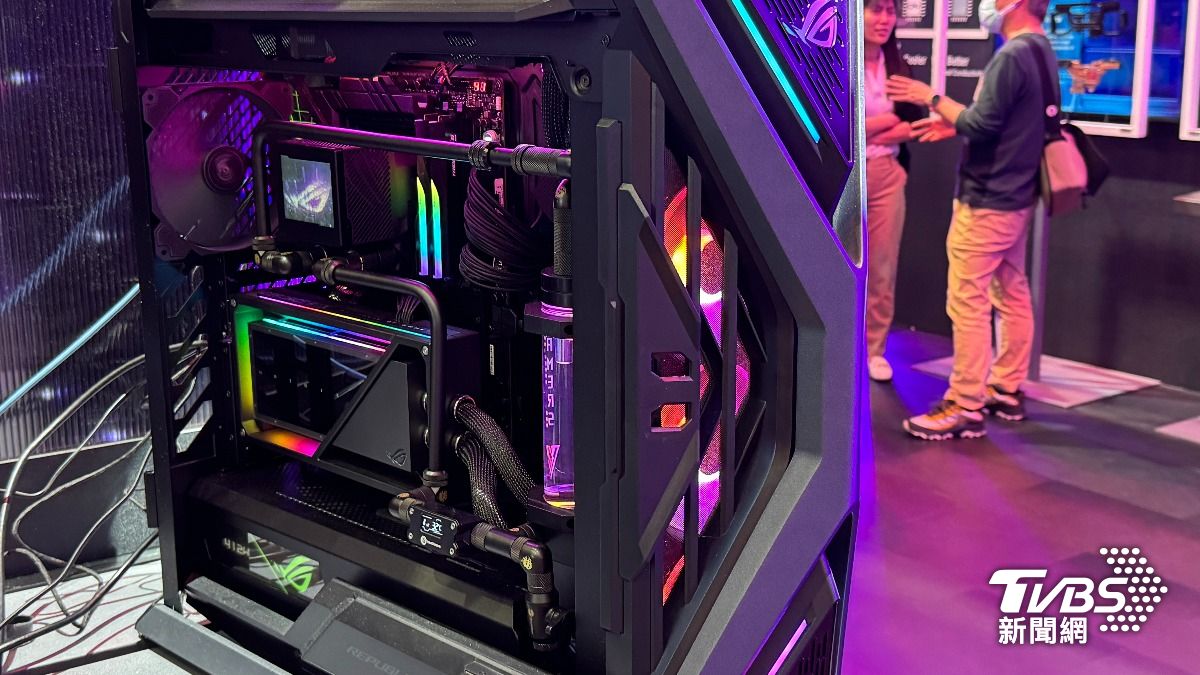
Computex has long been a PC-centric event. It is the venue where Asus, Acer, MSI, Gigabyte, ASRock and other Taiwan manufacturers traditionally unveil their latest motherboards, laptops and desktop PCs, chassis, graphics cards and peripherals to global customers and the tech media.
This year, AI servers will take center stage. Foxconn, Quanta, Pegatron and other leading manufacturers, together with a broad array of power and cooling suppliers, are set to dominate the show floor. The contrast with the broader market is striking. While the global PC market is forecast to contract in 2026, Taiwan’s server players posted explosive first-quarter growth, with Wistron’s revenue surging 144 percent year over year, Quanta’s increasing 67 percent, and Foxconn’s rising 30 percent from a much higher base.
The loss of momentum in the PC segment merits close attention. Costs are one major headwind. Memory prices have risen sharply, driven by AI’s insatiable demand for high-bandwidth memory and DRAM. These increases hit hardest in the mid-range and entry-level segments that account for the bulk of PC volume. CPU pricing is rising in tandem.
Innovation has also stalled, particularly on the software side. Copilot+ PCs were supposed to spark a revival in the Windows market but have generated little enthusiasm. In contrast, sales of Apple’s Mac Mini and new MacBook Neo are surging. The Windows ecosystem is falling behind, and the only real brake on Apple’s further gains is its own component supply constraints.
Against this backdrop, the heavily rumored launch of the Nvidia-MediaTek N1 and N1X stands out as the most interesting development on the PC side of Computex 2026. The new platform has the potential to offer a credible alternative to Intel, AMD and Qualcomm in the laptop segment, but the decisive question is whether it will expand the overall market or merely take share from existing players.
Expansion will happen only if Nvidia delivers an AI-driven laptop experience compelling enough to convince customers to upgrade. It is unclear what this might be, but Jensen Huang has a proven track record of surprising the industry and is unlikely to settle for incremental gains in battery life and performance.
The PC is still a high-volume market, but the industry does need to innovate faster to capture the next wave of on-device AI. Nvidia is uniquely positioned to lead that charge and, in doing so, to inject new life into the entire category.