



Why Computex 2026 is the Most Significant Computex Yet
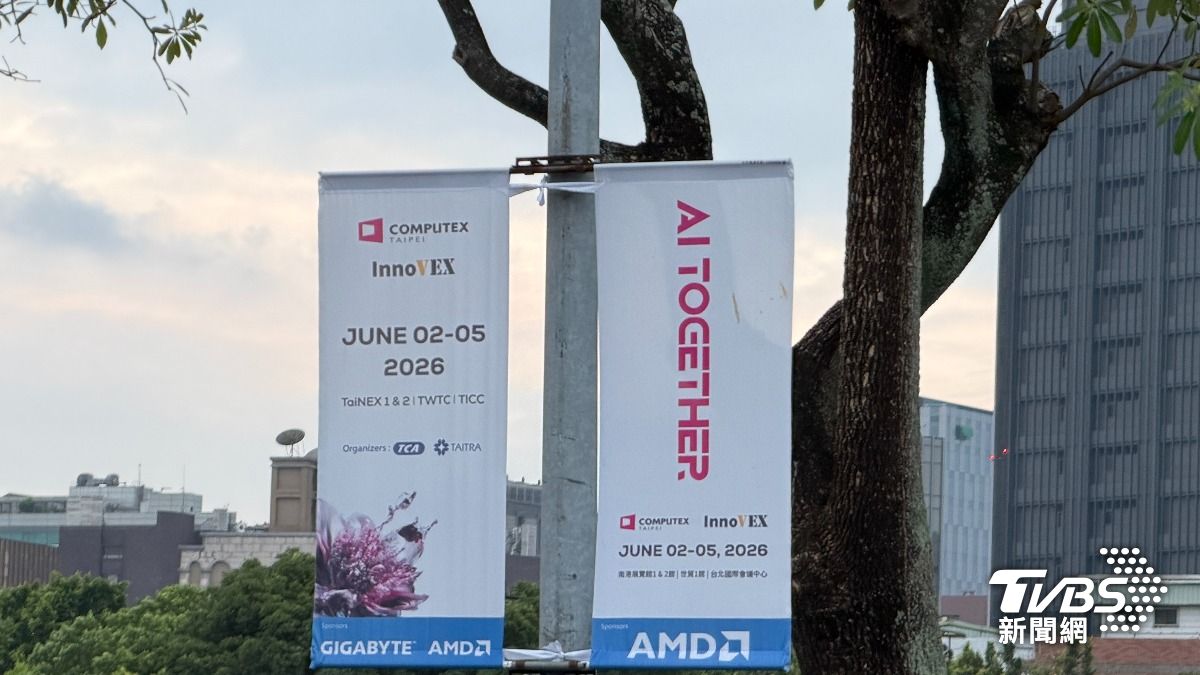
Since its establishment in 1981, Computex has outlasted every comparable Western tech show. Comdex disappeared in 2003. CeBIT shut down in 2018. The Taipei event has only grown bigger and more consequential. This year’s event, opening on June 2, is the most significant in its history.
AI infrastructure is ramping. Physical AI is leaving the lab. And Nvidia is set to make its first serious push into consumer PC silicon. All three transitions run through Taiwan, and all three will be on the floor at Computex 2026.
Start with AI infrastructure. Nvidia CEO Jensen Huang announced in Taipei last week that the company will invest roughly US$150 billion a year in Taiwan, a tenfold increase on five years ago, and described the island as “the epicenter of the AI revolution.” It is hard to argue with the numbers. Each Vera Rubin AI server, Nvidia’s next-generation flagship platform ramping in the second half of this year, contains nearly two million components and needs between 100 and 150 Taiwan ecosystem partners to assemble. Huang has called it “potentially the largest product rollout Taiwan’s electronics industry has ever seen.”
What makes Computex 2026 different from earlier shows is that Taiwan is no longer only manufacturing AI infrastructure; it is increasingly architecting it. Foxconn, with roughly 40% of the global AI server market and record Q1 revenue of US$66.9 billion, is bringing optical modules, connectors, high-speed cables, cooling and power-management modules in-house. Delta Electronics co-developed its 800V high-voltage DC rack architecture with Nvidia, and together with Auras, AVC and other thermal specialists is pushing the boundaries of liquid cooling. Taiwan’s vendors are now part of the design conversation, not just the assembly line.
Then there is Physical AI. Computex 2026 will feature a dedicated Robotics Zone at the Taipei World Trade Center, and the supply chain behind it lies 90 minutes south, in the cluster of 1,500 precision-machinery firms along Mount Dadu known as Golden Valley. With annual output of around US$28 billion, this is the world’s densest precision-machinery cluster, and it is in the middle of pivoting from CNC machine tools to the harmonic reducers, ball screws and roller screws that humanoid robots need. Hiwin’s chairman has guided that robotics will exceed 10% of group revenue this year. Mengying is already shipping into humanoid supply chains.
The third development is more uncertain but worth watching. Nvidia and MediaTek are set to formally unveil the N1 and N1X, Arm-based laptop chips paired with Blackwell-architecture integrated GPUs, at the show. The N1X reportedly delivers performance comparable to a discrete RTX 5070. Whether these chips actually expand the PC market is an open question. What they will certainly do is give Nvidia a credible presence in consumer PCs for the first time, put pressure on Intel, AMD and Qualcomm, and hand Taiwan’s notebook ODMs and brand houses, including Asus, Acer, MSI and Gigabyte, a new platform to build on.
Few moments in the industry’s recent history have aligned this cleanly. Computex 2026 is where AI infrastructure, Physical AI and the AI PC all come together, and Taiwan is at the center of all three.