



Taiwan urged to reform driving training amid accident rise
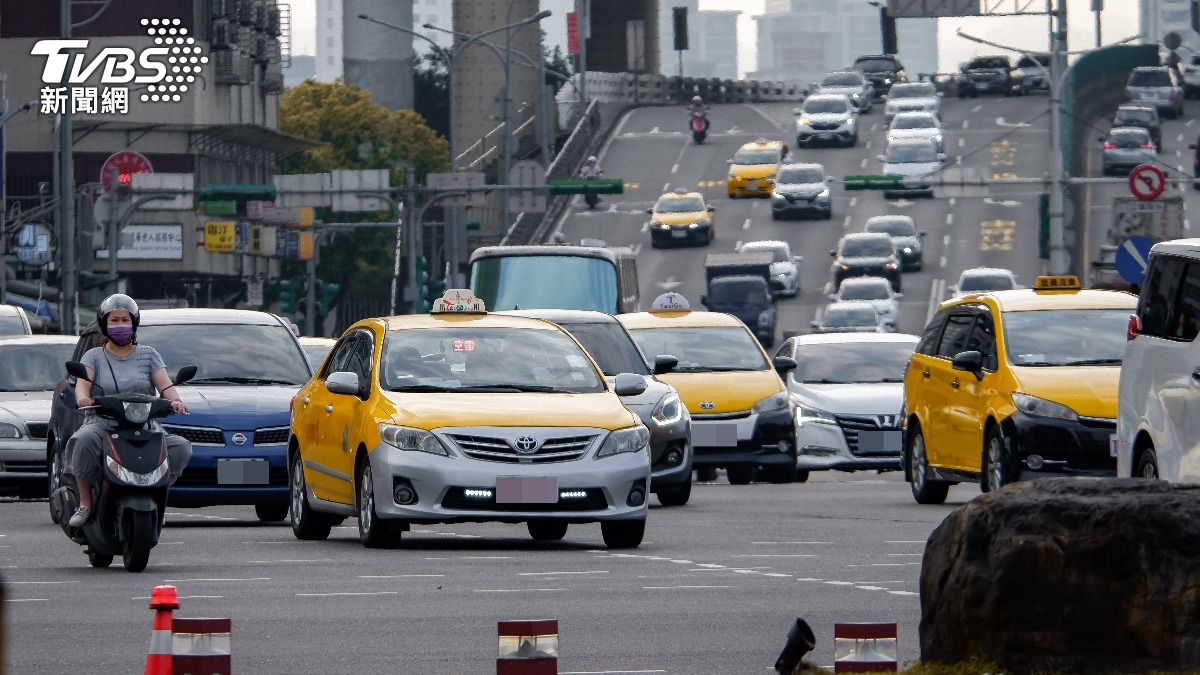
TAIPEI (TVBS News) — Taiwan's roads have become increasingly deadly for newly licensed drivers, with legislators and safety experts sounding the alarm over a disturbing trend that claims nearly 100 young lives annually. At a press conference held Thursday at the Legislative Yuan (立法院), Democratic Progressive Party (DPP, 民進黨) Legislator Lin Yueh-chin (林月琴) highlighted the critical safety gap facing drivers within their first two years behind the wheel. Joined by driving school operator Huang Fei-fa (黃飛發) and Liu Hsuan-cheng (劉軒誠), a supervisor at the Taiwan Traffic Safety Association (台灣交通安全協會) and driving instructor, Lin called for urgent reforms to Taiwan's driver training system.
The coalition of experts identified newly licensed drivers as a particularly vulnerable demographic, with fatality rates that suggest fundamental flaws in how Taiwan prepares its citizens for the responsibilities of operating vehicles. Their concerns centered on what they described as inadequate preparation and overly simplistic licensing procedures that fail to screen out dangerous drivers. During the press conference, Lin noted the lack of clear school education hours dedicated to traffic safety. She pointed to current licensing tests as insufficient barriers, allowing potentially unqualified drivers onto Taiwan's busy roads without proper preparation for real-world driving conditions.
The group directed their appeal to the Ministry of Transportation and Communications (MOTC, 交通部), urging officials to undertake a comprehensive review of existing protocols. Their recommendations included addressing fundamental challenges in driving instruction development and revising regulations that govern private driving schools to create more standardized educational experiences. Lin emphasized that meaningful change would require not just improved testing systems but also the implementation of a robust driver management mechanism. Such reforms, she suggested, would be essential to cultivating truly qualified drivers and fostering a culture where safety becomes the priority on Taiwan's increasingly congested roadways.