



Taiwan monitors rise in China’s gray zone harassment
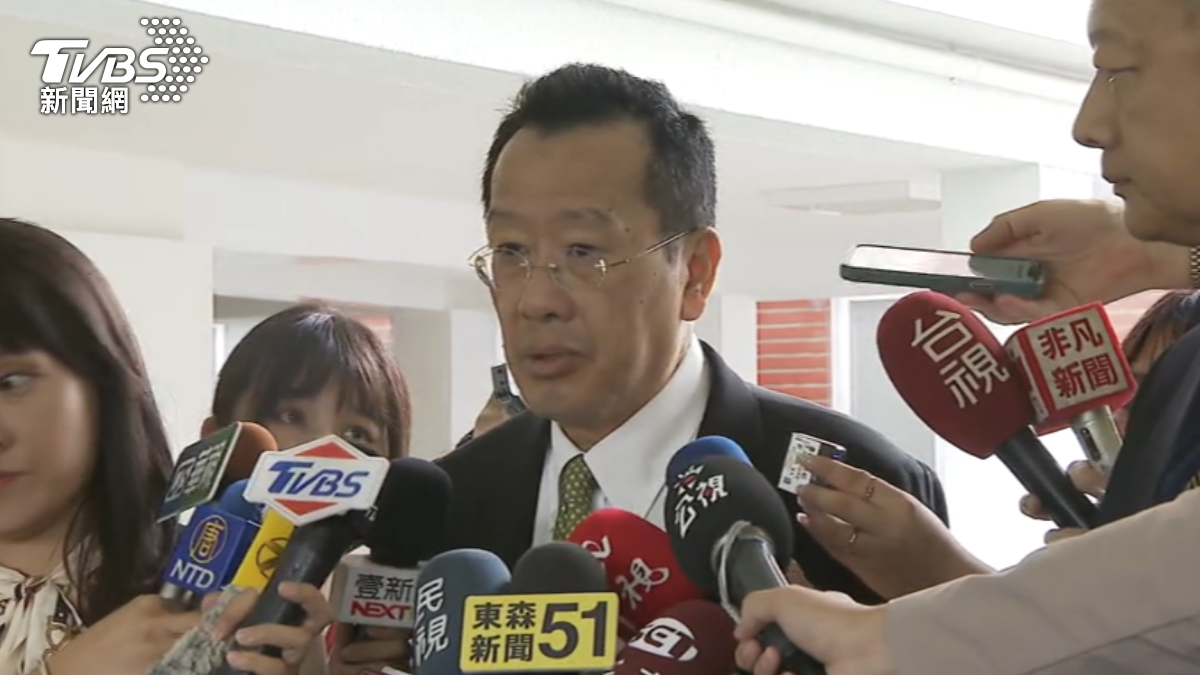
TAIPEI (TVBS News) — Taiwan's military service members have become the frontline defenders against intelligence threats, according to Defense Minister Wellington Koo (顧立雄), who revealed on Tuesday (April 8) that an overwhelming 87% of detected espionage operations involving Chinese intelligence agents were initially reported by vigilant military personnel. Speaking at a security briefing, Koo emphasized that this statistic highlights Beijing's strategic prioritization of Taiwan's armed forces as primary targets for intelligence penetration and subversion activities. The minister's disclosure offers a rare quantitative glimpse into the persistent intelligence war unfolding across the Taiwan Strait as China continues its comprehensive campaign to infiltrate Taiwan's defense establishment.
In a related disclosure, Taiwan's premier intelligence agency, the National Security Bureau (國家安全局), provided statistical evidence of China's systematic espionage campaign, revealing that Taiwanese authorities have formally indicted 159 individuals on spying-related charges since 2020. Notably, 95 of these cases — representing approximately 60% of all indictments — involved either currently serving military personnel or veterans who had access to sensitive defense information. This pattern, according to security officials, demonstrates Beijing's diverse and evolving approaches to penetrating Taiwan's national security apparatus. During the same briefing, Minister Koo stressed the critical importance of implementing comprehensive security screening protocols for military personnel across all ranks before granting access to classified materials, signaling an intensification of counterintelligence measures within Taiwan's armed forces.
The National Security Bureau's comprehensive assessment also documented a concerning escalation in China's "gray zone" harassment tactics — activities that fall short of conventional warfare but exceed normal diplomatic or commercial interactions. This troubling trend has catalyzed enhanced collaboration between Taiwan's civilian intelligence apparatus and the Ministry of National Defense (MND, 國防部), resulting in the implementation of sophisticated joint intelligence collection and reconnaissance operations designed to maintain continuous surveillance of Chinese activities. Minister Koo elaborated on Taiwan's strategic response, revealing that defense authorities have developed tiered contingency protocols calibrated to address various intensities of gray zone provocations. In more severe scenarios, Koo affirmed that Taiwan would not hesitate to conduct "immediate combat readiness drills" to demonstrate its resolve and operational capabilities.
Transitioning to economic and defense procurement matters, Minister Koo referenced President Lai Ching-te's (賴清德) Sunday statement addressing Taiwan's trade relationship with the United States. The president had outlined strategies to negotiate more favorable reciprocal tariff arrangements while simultaneously expanding Taiwan's procurement of American goods and services. In alignment with this approach, Koo confirmed that the Ministry of National Defense has already compiled and submitted a comprehensive military procurement list to relevant authorities and intends to proceed expeditiously with planned acquisitions.
The defense minister maintained operational security regarding the specifics, stating that authorities would refrain from publicly disclosing detailed procurement information until plans are finalized and appropriate budgetary allocations secured. Koo emphasized that all acquisitions would be strategically aligned with Taiwan's actual combat requirements rather than pursuing prestige platforms. Concluding his remarks, the minister reaffirmed the administration's commitment to President Lai's ambitious target of increasing Taiwan's defense budget to 3% of GDP, signaling a sustained trajectory of growth in the island's military investments amid rising regional tensions.