



Taiwan weather: tropical threats fade, extreme heat remains
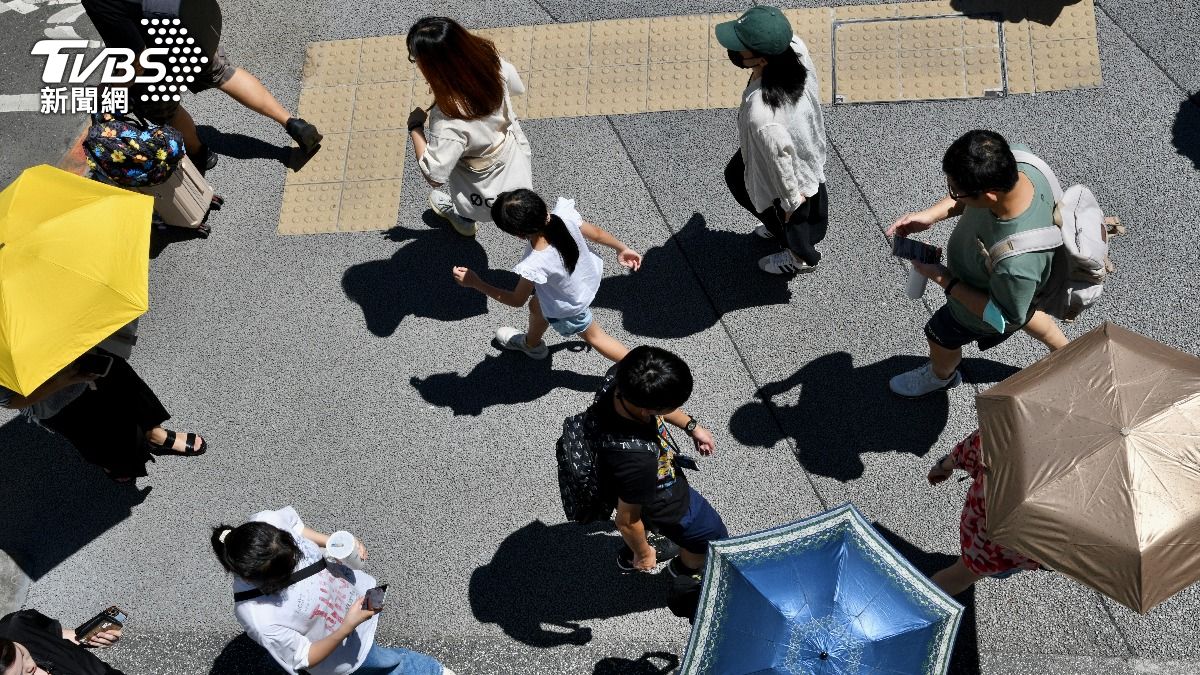
TAIPEI (TVBS News) — Taiwan's Central Weather Administration issued an orange alert Wednesday (Aug. 20) as temperatures were forecast to soar to 36 degrees Celsius (96.8°F) in Taipei and Pingtung County around midday. The Pacific Ocean's high-pressure system has weakened and retreated northward, creating hot and humid conditions across the island with increased atmospheric moisture. Meteorologist Wu Der-rong (吳德榮) warned that the unstable atmospheric conditions could trigger strong convective activity during afternoon hours, urging residents to prepare for potential thunderstorms.
Wu, who serves as an adjunct associate professor at National Central University (中央大學), analyzed the Central Weather Administration's (中央氣象署) forecast maps showing positive developments for Taiwan's weather outlook. The 15th tropical depression northwest of the Ryukyu Islands continues moving northward into conditions unfavorable for typhoon formation, causing further weakening of the system. Both U.S. and European ensemble models indicate the tropical disturbance south of Guam (關島) will pass through northern Luzon (呂宋島) with diminished intensity, significantly reducing potential threats to Taiwan while requiring continued meteorological monitoring.
Wu's extended forecast predicts clear and scorching conditions across Taiwan on Aug. 23 and 24, with maximum temperatures potentially reaching 38 degrees Celsius (100.4°F). The meteorologist advised residents to take precautions against sun exposure and heatstroke, noting that localized showers or thunderstorms may develop in mountainous regions. Conditions on Aug. 25 and 26 will remain hot as increased southern moisture fuels expanded afternoon convective activity, requiring continued vigilance for rapidly changing weather patterns. ◼