



U.S. Senate leaders arrive in Taiwan for security talks
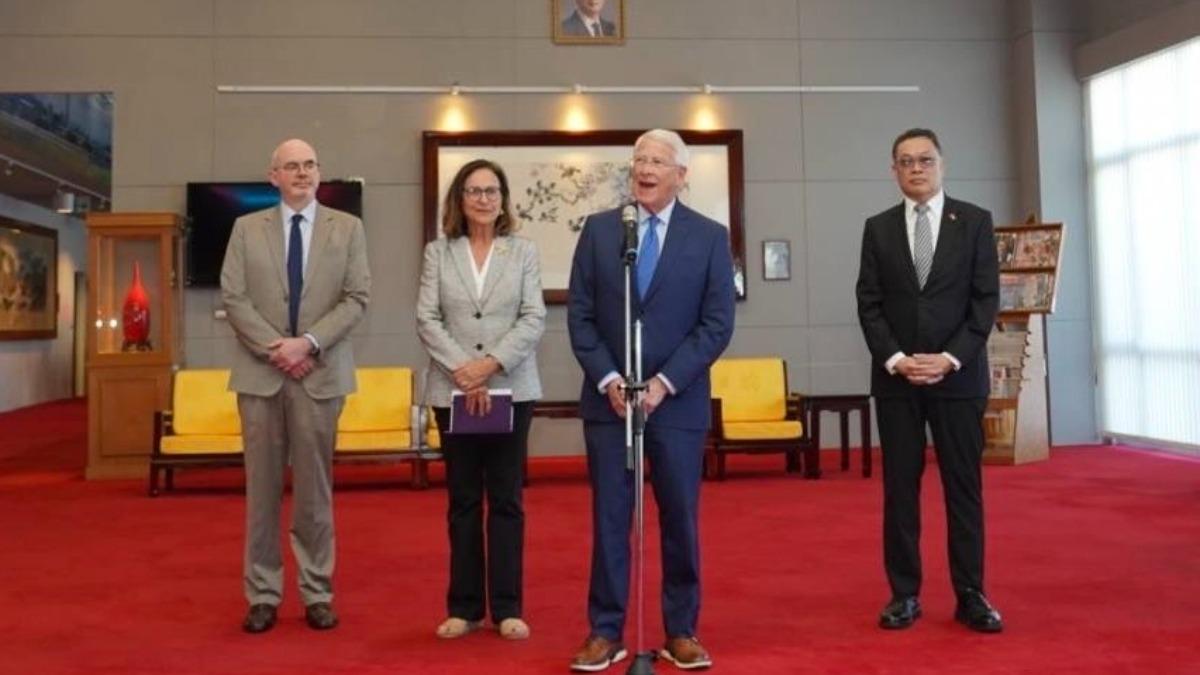
TAIPEI (TVBS News) — Two senior U.S. senators arrived in Taiwan on Friday (Aug. 29), marking a strategic move to counter China's expanding influence across the Indo-Pacific region through strengthened democratic partnerships. Senate Armed Services Committee Chairman Roger Wicker and Senator Deb Fischer launched their two-day visit as part of a broader regional tour reinforcing what they term a "Free and Open Indo-Pacific," diplomatic language that directly challenges Beijing's territorial claims and military expansion in the South China Sea.
Wicker characterized the current security environment as "the most perilous threat environment we face since World War II," reflecting escalating U.S. concerns about China's military buildup and assertive actions toward Taiwan and regional partners. The congressional delegation's timing underscores Taiwan's central role in U.S. Indo-Pacific strategy. The senators demonstrate what analysts term "strategic ambiguity in action" by visiting Taiwan alongside other regional allies during their broader tour, supporting Taiwan without formally recognizing its independence.
Fischer emphasized that America's partnership with Taiwan has been "anchored in growth to democracy, freedom, and economic opportunity," language contrasting sharply with China's authoritarian system while positioning Taiwan as a democratic success story worth defending. The visit serves domestic political purposes, allowing the Republican senators to demonstrate tough-on-China credentials while reinforcing bipartisan U.S. support for Taiwan. Both senators' positions on the Armed Services Committee lend additional weight to their security-focused discussions.
The delegation's broader Indo-Pacific itinerary, details of which remain undisclosed, likely includes visits to other key U.S. partners, reinforcing the multilateral approach defining current U.S. strategy against Chinese influence. Meetings with senior Taiwan leaders will likely focus on defense cooperation and economic ties, two relationship pillars that have strengthened significantly as U.S.-China tensions escalated. ◼