


TSMC faces U.S. authorization loss for Nanjing facility
TAIPEI (TVBS News) — The U.S. government notified Taiwan Semiconductor Manufacturing Company (TSMC, 台積電) Tuesday (Sept. 2) that it plans to revoke the Validated End-User (VEU) authorization for TSMC's Nanjing operations, effective Dec. 31, 2025. The decision represents part of a broader crackdown affecting major semiconductor manufacturers, including Intel, Samsung, and SK Hynix, all of which will lose exemptions for U.S. semiconductor manufacturing equipment operations in China. The move underscores escalating tensions in the global chip industry amid U.S.-China trade restrictions.
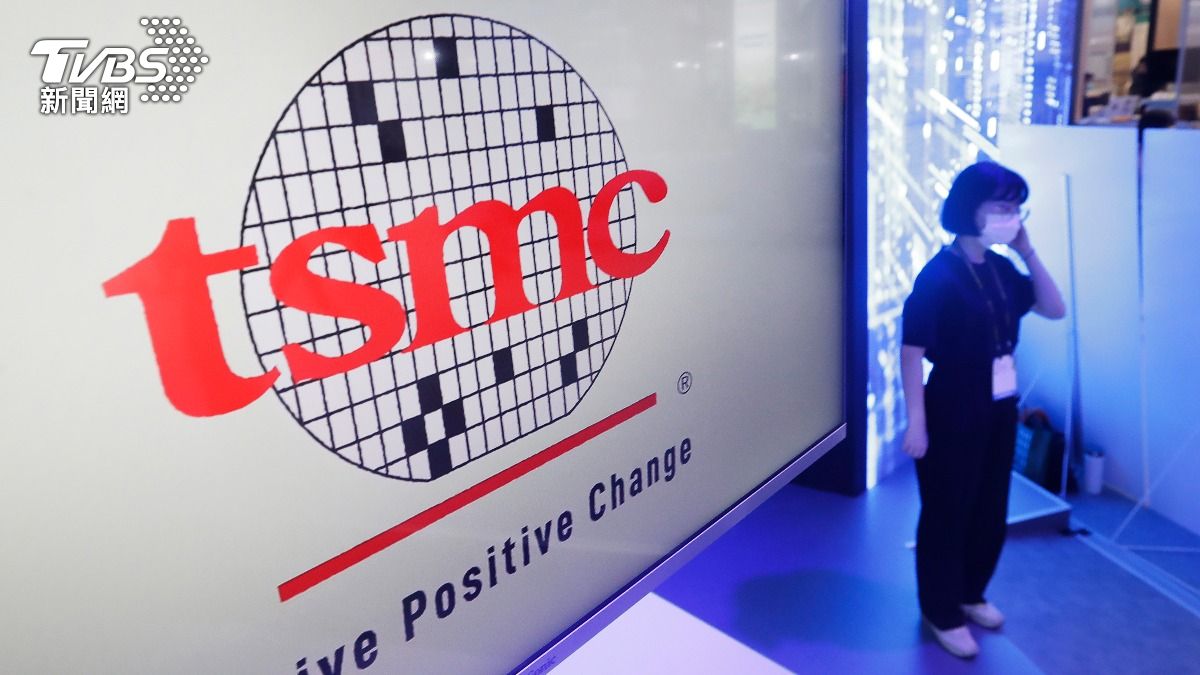
TSMC confirmed it received the U.S. government's notice and is actively evaluating the regulatory change's implications for its Chinese operations. The world's largest contract chipmaker is implementing appropriate measures to ensure its Nanjing facility operations remain unaffected by the pending authorization revocation. A TSMC spokesperson said that the company is assessing the situation and taking appropriate measures to ensure the operations in Nanjing remain unaffected.
The U.S. Department of Commerce initially granted the VEU authorization to TSMC's Nanjing facility in 2024, replacing a temporary written authorization that had been in place since October 2022. The authorization allowed the Chinese facility to receive U.S.-regulated semiconductor equipment and services without requiring individual export licenses for each transaction. The VEU status had confirmed that these technology supplies conformed to stringent U.S. export control regulations for long-term operations.
TSMC's Nanjing operations face significant operational uncertainties with the imminent revocation of this crucial VEU authorization at year's end. The Taiwan-based semiconductor giant must carefully navigate these regulatory changes to maintain operational stability at its Chinese manufacturing facility. The announcement reflects heightened geopolitical tensions between the U.S. and China, leaving the globalized chip manufacturing industry caught in an escalating trade war. ◼