



Election security concerns fuel Taiwan media blackout debate
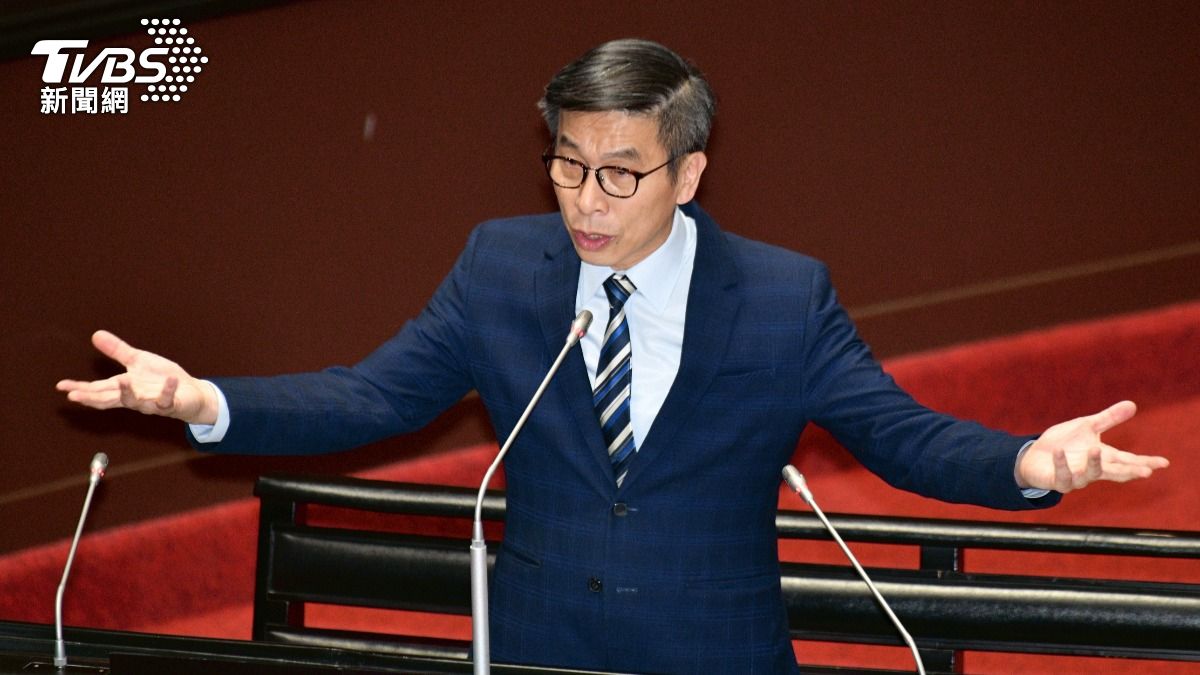
TAIPEI (TVBS News) — Taiwan's ruling Democratic Progressive Party (DPP, 民進黨) defended the country's 10-day pre-election media blackout Monday (Oct. 27) after opposition legislators proposed cutting the restriction to three days, warning the change could enable Chinese interference in elections. DPP caucus whip Chung Chia-pin (鍾佳濱) criticized Kuomintang (KMT, 國民黨) legislator Weng Hsiao-ling's (翁曉玲) proposal to reduce the blackout period, which prohibits media outlets from discussing polling data before elections.
Speaking at a DPP press conference, Chung warned that shortening the blackout period could expose voters to Chinese Communist Party (CCP, 中國共產黨) disinformation campaigns designed to manipulate Taiwan's elections. The legislator argued that such misinformation threatens both financial security and democratic integrity by influencing voting behavior through fabricated polling data.
Recent national security concerns, including a Chinese defector with sensitive photos of Taiwanese military sites, have heightened the urgency of these discussions. Chung noted the need to bolster Taiwan's national security, highlighting the DPP's introduction of the 10 National Security Laws (國安10法) and 7 Submarine Cable Laws (海纜7法) to address vulnerabilities. ++++++++
Recent national security concerns, including a Chinese defector carrying sensitive photographs of Taiwanese military installations, have intensified the debate over election security measures. Chung emphasized Taiwan's need to strengthen defenses, citing the DPP's passage of 10 National Security Laws (國安10法) and 7 Submarine Cable Laws (海纜7法) designed to address security vulnerabilities.
DPP Policy Committee Executive Director Rosalia Wu (吳思瑤) condemned the proposal as a threat to Taiwan's national security, arguing it would enable China to manipulate election outcomes through fabricated polling data. Wu declared the DPP caucus's opposition to the amendment, characterizing it as opening pathways for Chinese electoral interference in Taiwan's democracy. ◼