


TSMC files trade secret lawsuit against ex-VP joining Intel
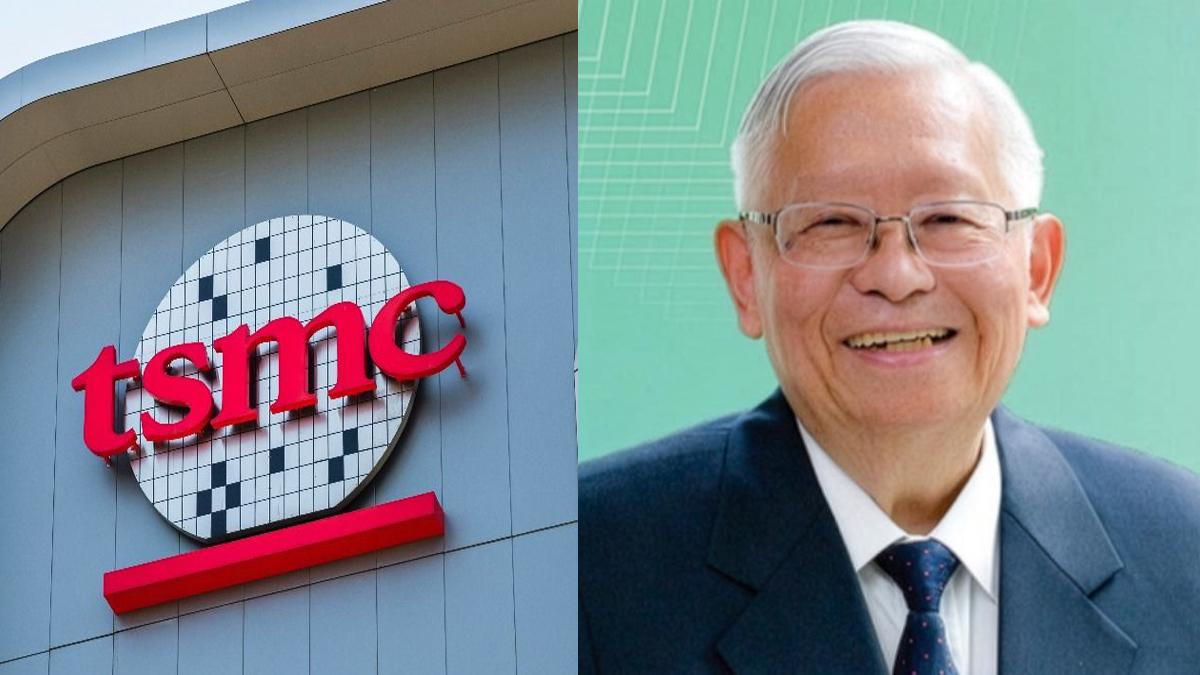
TAIPEI (TVBS News) — Taiwan Semiconductor Manufacturing Co. (TSMC, 台積電) filed a lawsuit Tuesday (Nov. 25) against former senior vice president Lo Wei-jen (羅唯仁), alleging he will likely leak trade secrets to competitor, Intel Corp. TSMC claims Lo joined the rival chipmaker immediately after retiring from the world's largest contract chipmaker. The lawsuit was filed in Taiwan's Intellectual Property and Commercial Court (智慧財產及商業法院).
TSMC cited alleged violations of Lo's employment contract, non-compete agreement and Taiwan's trade secret law in the complaint, according to a company statement. The lawsuit seeks damages for breach of contract. Lo retired from TSMC on July 27 after 21 years with the company and immediately joined Intel as executive vice president.
TSMC alleges Lo told Chief Legal Officer Fang Shu-hua (方淑華) during his July 22 exit interview he would work at an academic institution. Lo never mentioned Intel employment during the interview, TSMC claims. Fang reportedly provided Lo with a reminder letter explaining his post-employment non-compete obligations during the exit interview.
TSMC reassigned Lo in March from research and development oversight to senior vice president of corporate strategy development, a staff advisory role. Lo allegedly continued requesting R&D meetings and materials about advanced process technologies under development and future planning despite the transfer. TSMC did not clarify whether it granted these requests or how Lo accessed the information.
Lo joined TSMC as vice president in July 2004 and was promoted to senior vice president in February 2014. He signed confidentiality and non-compete clauses during his tenure, according to TSMC. The Taiwanese company did not disclose the scope of Lo's non-compete agreement, including duration, geographic scope and prohibited companies or roles.
The case represents a significant trade secret dispute between two leading semiconductor manufacturers. TSMC dominates contract chipmaking with advanced process technologies, including 3-nanometer, 2-nanometer and future nodes. Intel has been expanding its foundry business to compete directly with TSMC. ◼