


President Lai backs TSMC investments in U.S., Japan, Europe
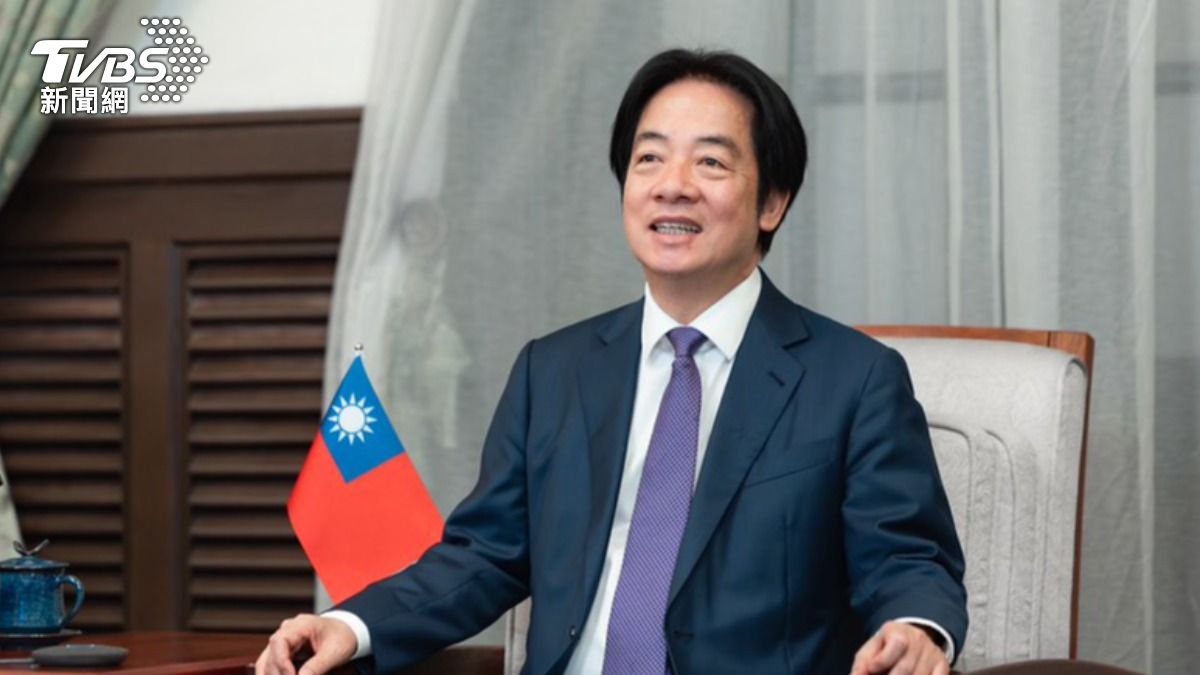
TAIPEI (TVBS News) — President Lai Ching-te (賴清德) expressed support for Taiwan's semiconductor industry investments in the U.S., Japan, and Europe on on Thursday (Dec. 4). Lai encouraged Taiwan Semiconductor Manufacturing Company (TSMC, 台積電), the world's largest contract chipmaker, to invest in these regions at the DealBook summit. He emphasized that these investments aim to foster global prosperity and progress, aligning with Taiwan's vision of international cooperation.
President Lai made these remarks during an online interview with journalist Andrew Ross Sorkin at the New York Times summit. Lai addressed topics such as national defense, cross-strait relations, Taiwan-U.S. relations, the Russia-Ukraine war, and the semiconductor industry. He described Taiwan's semiconductor industry as a shared asset of the world, requiring international collaboration to function effectively.
U.S. President-elect Trump desires for Taiwan's semiconductor industry to invest in the U.S., according to President Lai's remarks. President Lai stated that his administration is essentially in agreement, and he expressed hope that Taiwan can assist in America's reindustrialization efforts. He emphasized the significance of Taiwan-U.S. tariff trade negotiations, noting that they address America's trade deficit and promote structural integration between the two economies.
Trump has set a goal for the U.S. to manufacture 40% to 50% of the world's semiconductor chips in the next two to three years. President Lai pointed out that achieving this target would require U.S. government support in land, utilities, and workforce for its chip sector. When asked whether the most advanced chips should be exported to China, the People's Republic of China, he recalled Taiwan's 2000 discussions against such exports.
He affirmed the correctness of that decision made two decades ago regarding advanced chip exports to mainland China, China, during the interview. The president emphasized that Taiwan's semiconductor policies prioritize national security and international cooperation over short-term economic gains from Chinese markets in the region. Taiwan's semiconductor industry remains critical to global supply chains and technological advancement worldwide. ◼