


Universal Cement severs ties with TCC, shifts to imports
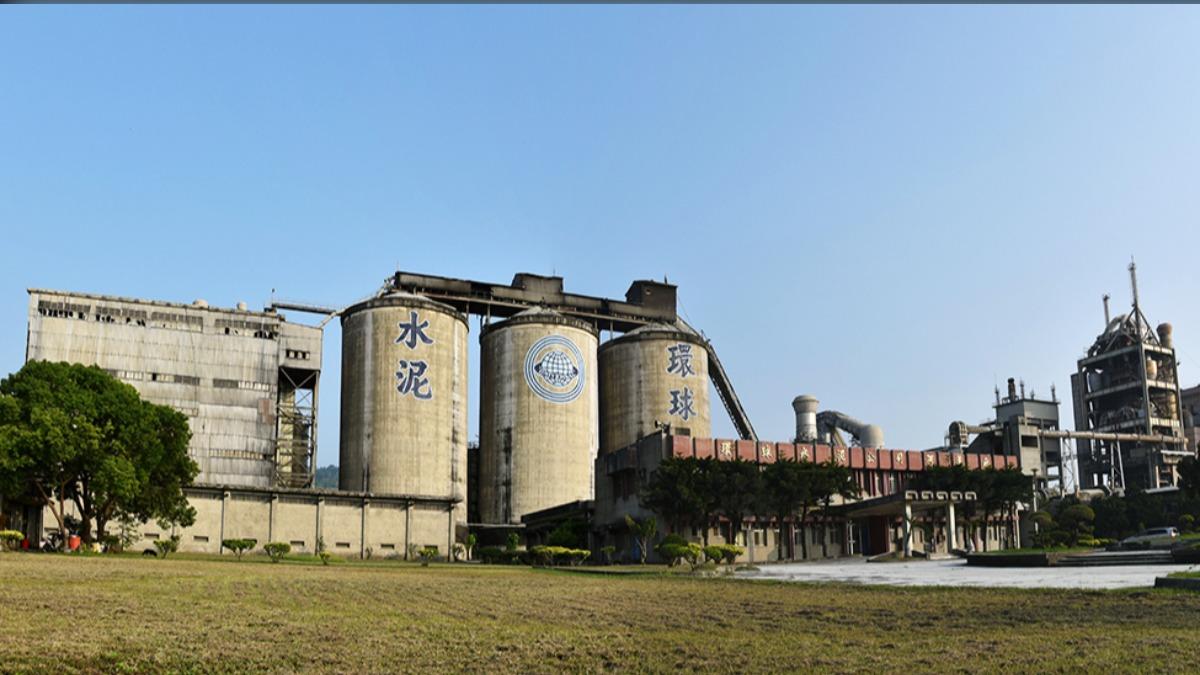
TAIPEI (TVBS News) — Universal Cement Corporation (環泥) has severed ties with TCC Group Holdings (台泥) and shifted its sourcing strategy to import cement materials from Indonesia, Japan, and other Southeast Asian producers, according to reports. Chief Operating Officer Hou Chih-yuan (侯智元) announced this move at the Taipei Building Show on Friday (Dec. 12), citing the need for stable supply, quality, and cost advantages. The company began implementing the new strategy in November.
Hou revealed that Universal Cement's Kaohsiung (高雄) plant, located in southern Taiwan, primarily imports clinker from Indonesia. The Taichung (台中) plant, in central Taiwan, sources cement from Japan and Vietnam. The company also plans to enhance its fireproof materials product line by partnering with Japan's Nippon Solarton Co., Ltd. (吉野建材集團) to introduce new mineral fiberboard products to the Taiwan market.
Universal Cement will focus on internal restructuring and factory upgrades over the next five years, according to Hou. The Kaohsiung Alian cement plant is undergoing equipment updates, with completion expected by the end of 2026. The Tainan (台南) Madou concrete plant, in southwestern Taiwan, has begun trial operations, while the Chiayi (嘉義) concrete plant anticipates starting operations by mid-2026.
The company's electronics division completed its acquisition of 100% of Tekscan Holdco, Inc. for US$16 million (around NT$497.6 million) in November. Universal Cement plans to integrate its Taiwan production and R&D operations with Tekscan, exploring humanoid robot applications. Hou stated that the financial benefits of these initiatives will become clearer in the first half of next year. ◼ (At time of reporting, US$1 equals approximately NT$31.1)