


Taiwan to boost energy imports amid Middle East tensions
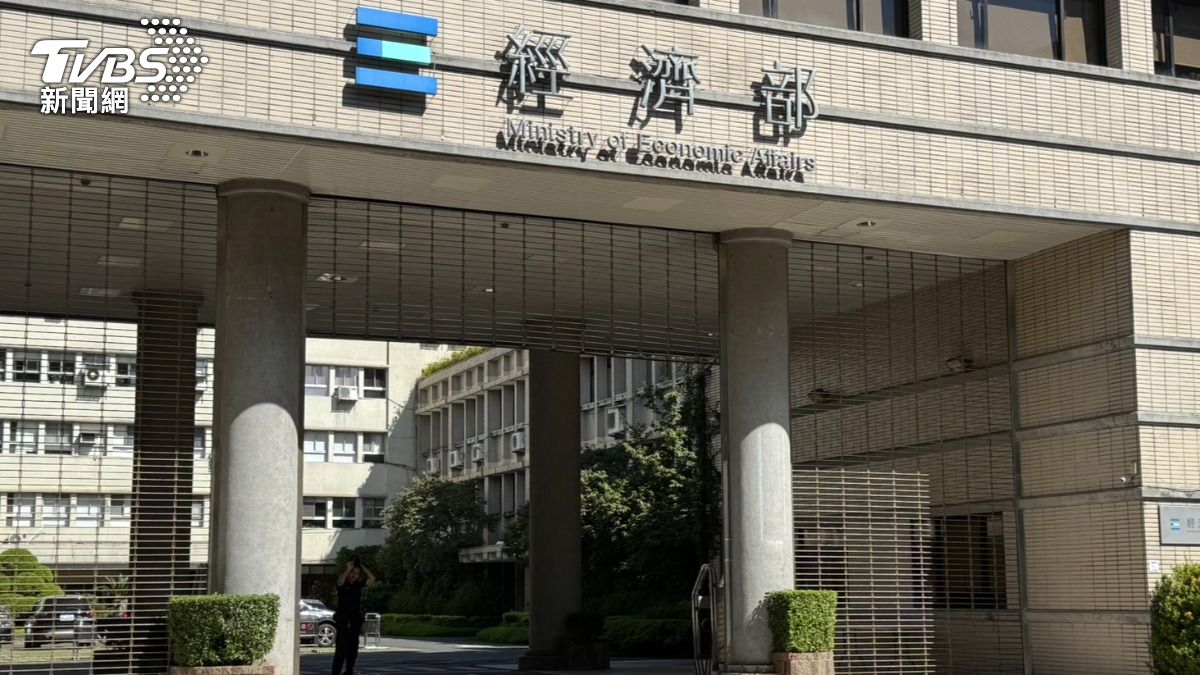
TAIPEI (TVBS News) — The Ministry of Economic Affairs (經濟部) announced on Monday (March 2) plans to increase energy procurement in response to recent conflicts between the U.S. and Iran. The government aims to diversify import sources and strengthen energy supply security. This decision comes amid concerns about the stability of energy imports amid ongoing geopolitical tensions.
The ministry highlighted Taiwan's current coal-fired power generation capacity of 13 gigawatts (GW). Taiwan Power Company (台電公司) has transitioned the 2.1 GW Hsinta (興達) coal-fired power plant units 1 to 4 into reserve power facilities. These units can serve as backup to ensure a stable power supply when necessary.
The ministry noted that last year, Taiwan imported crude oil and natural gas from 10 and 14 countries, respectively. Although the Strait of Hormuz blockade has impacted some oil and gas imports, the ministry assured that short-term arrivals remain unaffected. Long-term contingency plans are in place to maintain a stable power supply.
The ministry further explained that 80% of imported liquefied natural gas (LNG) is used for domestic power generation. CPC Corporation (台灣中油) and Taiwan Power Company have established a supply-demand communication mechanism and an early warning system. These measures will enable them to monitor market changes and plan shipping schedules to support effective inventory management.
In response to recent international oil price fluctuations, the ministry will also task CPC with reviewing the "domestic gasoline and diesel floating price adjustment mechanism" (國內汽柴油浮動油價調整機制作業原則) and oil price stabilization measures. This review aims to mitigate the impact of rising international oil and gas prices, supporting livelihood and price stability policies.