


EVA Air plans Taipei-Delhi flights as Taiwan courts India
TAIPEI (TVBS News) — Taiwan is simultaneously courting Indian workers for its factories and Indian passengers for its airlines. EVA Air (長榮航空) plans to launch direct Taipei-Delhi flights by year-end, just as the government negotiates to bring the first batch of Indian manufacturing workers to the island — a convergence that could reshape Taiwan's economic relationship with the world's most populous nation.
The carrier has secured aviation rights to fly to Delhi but has not confirmed a specific launch date. EVA Air said the timeline depends on "suitable time slot acquisition progress and fleet scheduling," according to a United Daily News report on Tuesday (April 28). The airline previously operated flights to Mumbai but suspended service in 2008 amid high fuel costs and an underdeveloped North American network.
EVA Air president Sun Chia-ming (孫嘉明) also told Liberty Times the carrier is "mainly targeting Indians transiting through Taiwan to North America" — students heading to American universities and tech industry professionals traveling to Silicon Valley. The carrier operates 10 North American destinations with 98 weekly flights, including routes to San Francisco, New York and Los Angeles, cities with large Indian diaspora populations. Sun said aviation rights allocated to Taiwan would place EVA's service in Delhi.
EVA would be the first Taiwanese carrier to serve India directly if it launches the Delhi route. China Airlines (中華航空) previously flew to Delhi but has not resumed service since the pandemic. Starlux Airlines (星宇航空) has also placed Delhi "under comprehensive evaluation," though no timeline has been announced. Taiwan's Civil Aeronautics Administration (民航局) allocated flight rights to both carriers, with EVA receiving five weekly slots and Starlux four.
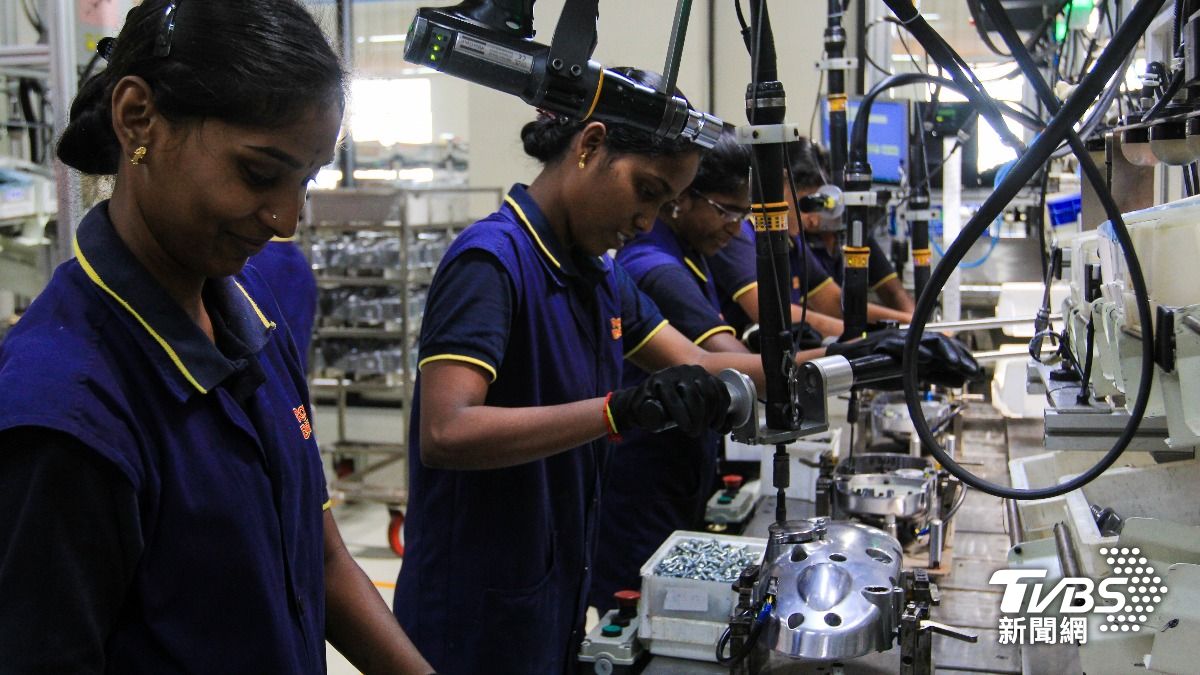
The labor track is moving in parallel. Taiwan's Ministry of Labor (勞動部) is negotiating to bring approximately 1,000 Indian manufacturing workers to the island by year-end — the first step under a labor cooperation memorandum signed in February 2024 and approved by the legislature that July. The plan has sparked public backlash, with more than 40,000 people signing a petition opposing the policy, though Minister of Labor Hung Sun-han (洪申翰) said the government "will not act rashly."
Taiwan's total migrant worker population exceeds 860,000, but industry groups say the current supply from Vietnam, Indonesia, the Philippines and Thailand is insufficient to meet demand, particularly in the high-tech manufacturing sector. The labor shortage has intensified pressure to diversify worker sources — a dynamic that could eventually generate business travel on routes like Delhi as bilateral economic ties deepen.
Cargo presents a third convergence point. India is the world's largest generic drug exporter, accounting for 20 percent of global pharmaceutical exports, and produces more than 60 percent of the world's vaccines, according to aviation industry sources. Its electronics manufacturing sector is also expanding as supply chains shift away from China, creating demand for high-value air freight that EVA's combined passenger and cargo network could capture.
EVA is expanding elsewhere as well. The carrier will launch direct service to Washington, D.C., on June 26, and Sun said routes to Barcelona, Helsinki, Istanbul and Boston are under evaluation. EVA has ordered 24 Airbus A350-1000 wide-body jets, with deliveries expected to begin in the fourth quarter of 2027. To support its growth, the airline launched a second recruitment wave on Sunday (April 27), offering university graduates starting salaries of NT$43,000 (around US$1,364) per month.
But fuel costs threaten all three tracks. Taiwan's major carriers — EVA, China Airlines and Starlux — will double cargo fuel surcharges in May amid the Middle East conflict, with rates jumping from NT$41 to NT$81 (around US$1.30 to US$2.57) per kilogram. Sun added that surcharge increases cover only 15 percent of long-haul cost increases. As Taiwan builds connections to India through aviation, labor and trade, the economics of each link will face the same volatility — testing whether distance and energy costs will limit the relationship or whether the convergence is strong enough to endure. ◼ (At time of reporting, US$1 equals approximately NT$31.53)