



Robots at Computex 2026 and the Rise of Physical AI
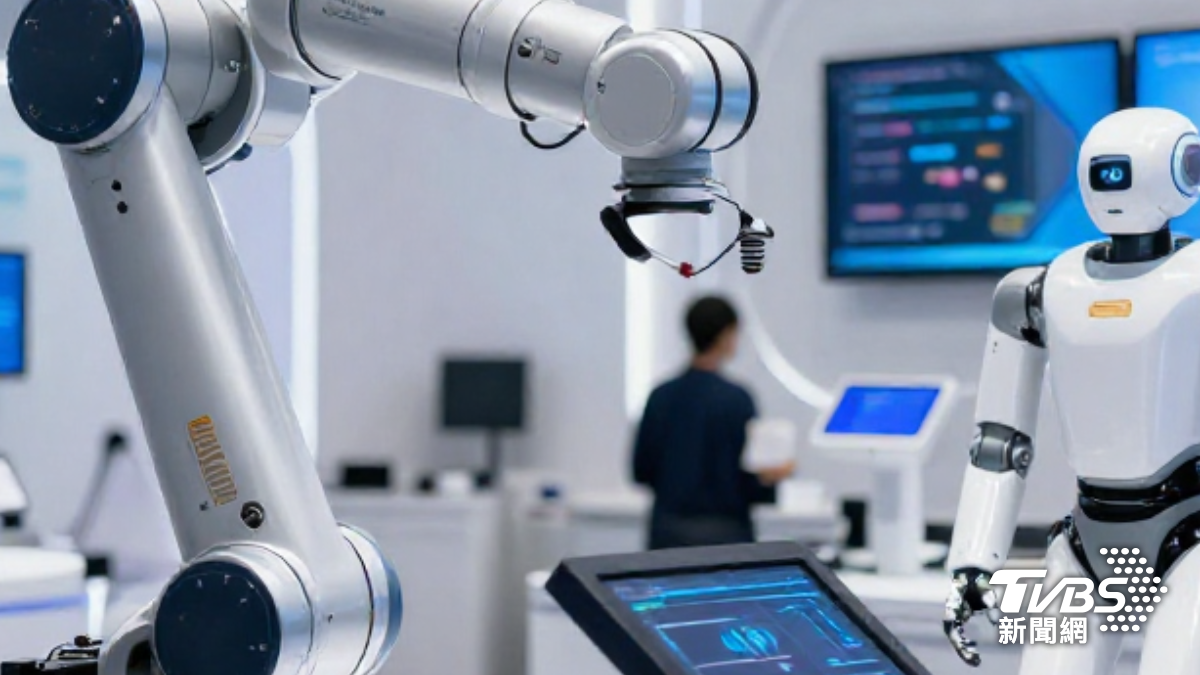
The robots are coming to Taipei. When Computex 2026 opens its doors, Physical AI will stand as one of the show's three headline themes, alongside AI & Computing and Next-Gen Tech. Organizers have carved out a dedicated Robotics Zone at TWTC Hall 1, with an adjacent TechXperience Zone built to showcase applications in healthcare, logistics, and retail.
NXP CEO Rafael Sotomayor is devoting his entire Computex keynote to the subject. And running in parallel from June 1 to 4, Nvidia's GTC Taipei will feature the company's vice-president of robotics and edge computing, Deepu Talla, presenting a session pointedly titled "The Era of the Robotic Factory Has Arrived." Taken together, these signals point to an industry that has decided Taiwan is where the commercial future of Physical AI will be shaped.
Humanoids have become the headline image for Physical AI, but they are only one product in a very broad category. The same wave of perception, on-device inference, and electromechanical actuation that gives a humanoid its purpose is also reshaping collaborative robotic arms, surgical assistants, smart retail kiosks, autonomous mobile robots in warehouses, and the next generation of industrial inspection systems. Each is an edge inference device in its own right, running the same loop: sense, decide, move. The category is broad, and the humanoid is merely its most photogenic citizen.
The obvious follow-up question is why Taiwan sits at the center of this proliferation. Four structural advantages explain the answer.
The first is semiconductor adjacency. Physical AI is, at its core, an inference problem. A robot or edge device must perceive, reason, and act in the physical world, and the speed at which it does this is set by the chips on board. Those chips are made, almost without exception, by TSMC. The world's most concentrated AI hardware cluster sits on this island, enabling rapid innovation cycles that no other geography can match.
The second is precision-engineering depth. The same forty years of tacit knowledge that made Taiwan one of the world's leading manufacturers of bicycles, sporting goods, and machine tools now gives it a foothold in robotics components, where the central challenge is making precise mechanical parts at scale. Hiwin, headquartered in Taichung, is one of the world's three largest makers of linear motion components and the leading manufacturer of harmonic drives outside Japan. Mengying has spent more than a decade developing harmonic reducers and has now entered robotics supply chains. Taichung Precision Machinery is moving from machine-tool gears into robot reducers.
The third is systems-integration depth. The companies that take chips, motors, and reducers and turn them into a working robot or factory automation system are mostly based here too. Server manufacturers Foxconn, Quanta, Wistron, Compal, Pegatron, Inventec, and Wiwynn sit in one column; PC and embedded system makers Acer, Asus, Gigabyte, MSI, and Advantech sit in the other. Their experience integrating tightly specified hardware for the world's most demanding customers makes Taiwan the obvious place to manufacture Physical AI systems at scale.
The fourth is partnership density. Taiwan has had a close working relationship with Nvidia for decades, and the result is an unusual operational synergy between the company's product roadmaps and Omniverse platforms and the firms building around them. GTC Taipei running alongside Computex this year is, in effect, an extension of Nvidia's San Jose event with the Taiwan supply chain bolted on. The same pattern holds at varying scale with Intel, Qualcomm, Marvell, MediaTek, AMD and other chip companies. No other economy has this density of working relationships with both the model layer and the chip layer simultaneously.
The Physical AI market is still in its early growth phase, and its scale does not yet rival the AI hardware market that has reshaped global tech over the past three years. But the trajectory is clear, and the potential is enormous. Computex 2026 will offer the clearest preview yet of where the sector is heading, and of the island that will supply most of the building blocks getting it there.